Pantry & condiments
What Is Hoisin Sauce? Hoisin Sauce vs Oyster Sauce, Explained
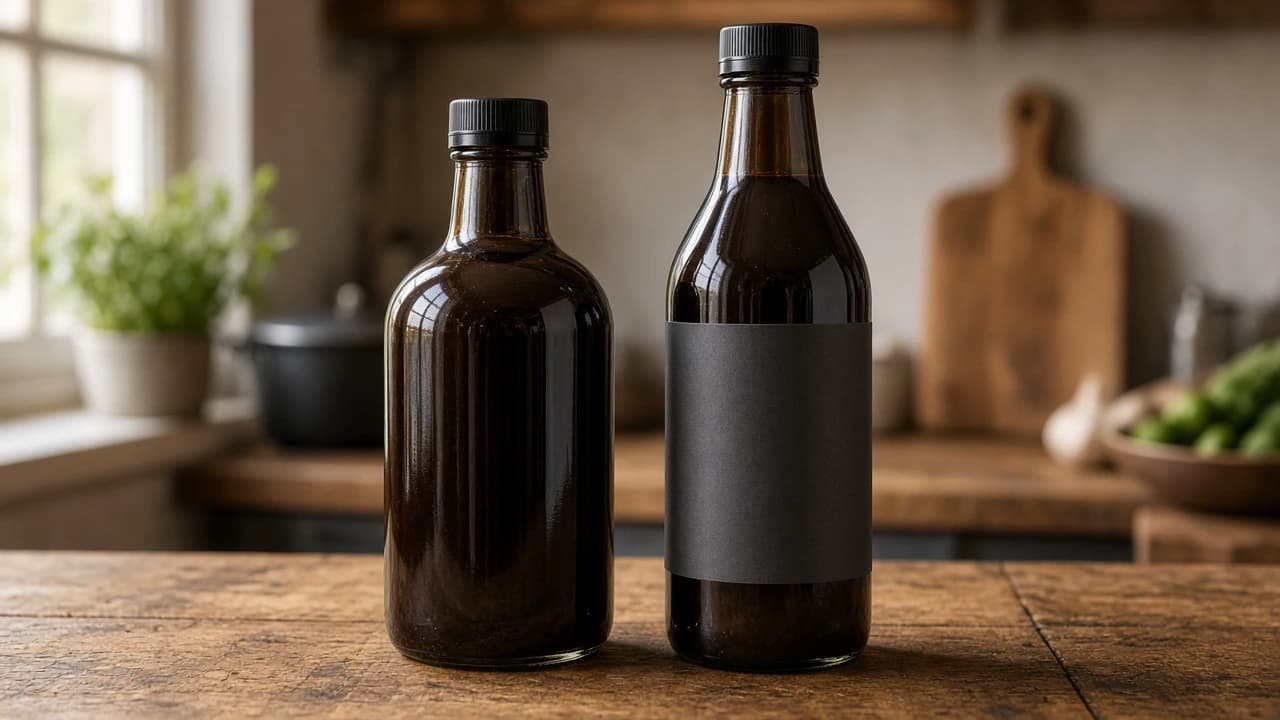
You're in the Asian sauces aisle. Two dark brown bottles sit side by side: Hoisin and Oyster Sauce. Same color. Same thickness. Totally different jobs. Or you're halfway through a stir-fry recipe that calls for oyster sauce, and the only bottle in your fridge says hoisin. So what is hoisin sauce, and is it the same thing? Short answer: hoisin is a thick, sweet-salty sauce built from fermented soybean paste. The name comes from Cantonese for "seafood," but the sauce usually has no seafood in it. Oyster sauce is a savory, umami cooking sauce made with oyster extracts. They are not the same bottle, and you should not swap them casually. Below: what each is made of, a side-by-side table, whether oyster sauce has oysters, how to substitute in a pinch, and the allergen labels worth reading.
What Is Hoisin Sauce?
Hoisin sauce is a thick, dark, sweet-salty Chinese condiment. You'll see it most often in Cantonese cooking, but it shows up across North American Chinese restaurants and home kitchens too.
The name is the first mix-up. Hoisin comes from the Cantonese hói sīn (海鲜, seafood). That word is describing a savory, "seafood-like" flavor idea, not a seafood ingredient list. Most bottles of hoisin sauce do not contain fish, shrimp, or oysters.
Pronunciation is easy once you hear it: hoy-sin. Two syllables. Stress the first. That is the hoisin sauce pronunciation most English speakers need.
Taste-wise, think sweet first, then salty, with garlic and a little spice in the background. Texture is thick and sticky, closer to a barbecue glaze than to soy sauce. People brush it on meat, stir a spoon into a wok, or put it out as a dipping sauce.
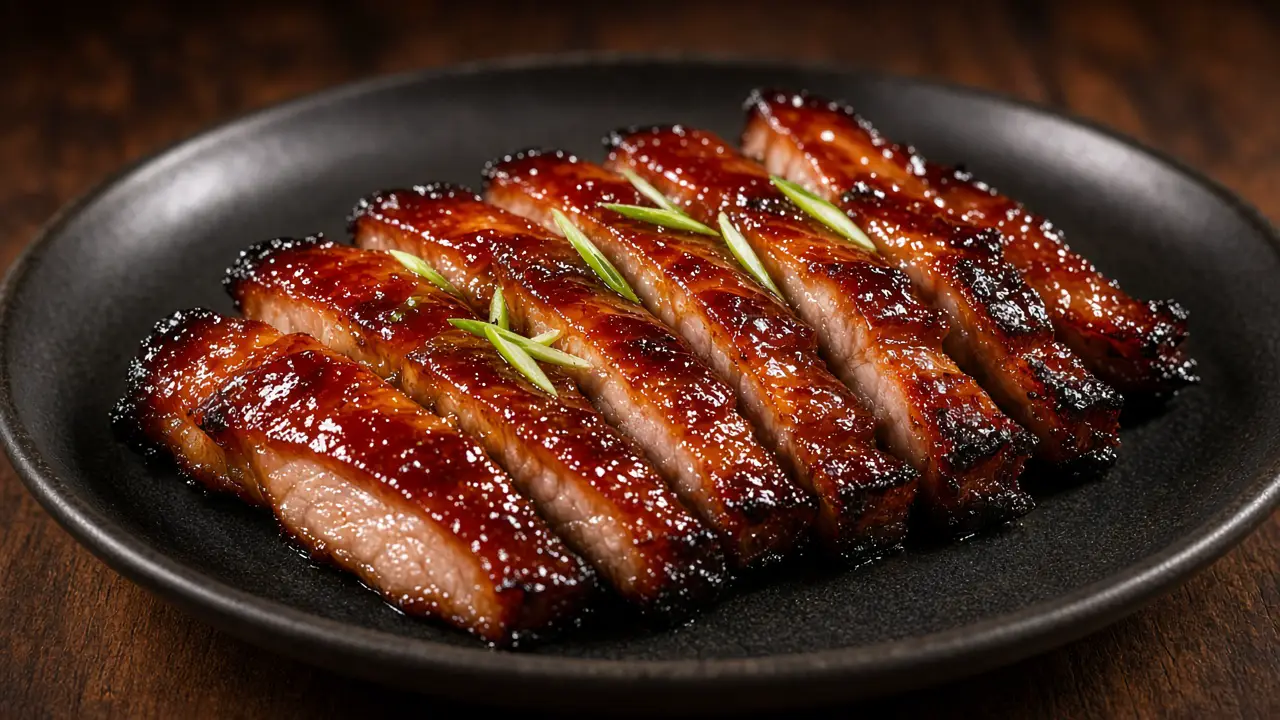
Common uses you'll actually run into: a glaze or marinade for chāshāo (叉烧, char siu / Chinese BBQ pork), a dipping sauce with Peking duck and lettuce wraps, a table condiment with rice noodle rolls, and a sweet-savory accent in moo shu. In southern Vietnam, a dark soy-based table sauce for phở (often called tương đen) fills a similar sweet-savory role next to Sriracha.
What Is Hoisin Sauce Made Of?
If you've searched what is hoisin sauce made of, the core answer is fermented soybean paste. Around that base, bottles usually include sugar, garlic, chili, vinegar, five-spice, and a thickener such as starch. Brands vary. Recipes vary. We're not guessing percentages.
What matters for shopping: check the label if you need gluten-free, sesame-free, or low-sugar options. Many supermarket bottles use wheat starch. Some brands market gluten-free versions. "Hoisin" on the front is not a guarantee of what's inside.
What Is Oyster Sauce?
What is oyster sauce in a Chinese-cooking sense? It's a dark brown, glossy, slightly sticky seasoning sauce used to boost savory depth in stir-fries, vegetables, noodles, and braises. In Chinese it's háo yóu (蚝油, oyster sauce).
Important English mix-up: the phrase "oyster sauce" can also mean a sauce you pour on raw oysters, like a mignonette. This article is about Chinese cooking oyster sauce — the bottle in the Asian aisle — not a dressing for oysters on the half shell.
Modern commercial versions are often made with oyster extracts plus sugar, salt, and water, then thickened with starch. Some higher-end styles get their body from reducing the mixture until it caramelizes and thickens on its own.
On the history side, oyster sauce was already being produced in China by the mid-1870s. Lee Kum Kee, founded by Lee Kum Sheung in 1888 in Nanshui, Guangdong, became one of the best-known commercial brands for oyster sauce and other Chinese pantry sauces. That is a company founding date, not a claim that one person invented the sauce alone.
Does Oyster Sauce Have Oysters?
Often, yes. Many standard bottles list oyster extracts or oyster essence. If you have a shellfish allergy, treat regular oyster sauce as off-limits unless a doctor or allergist has told you otherwise for a specific product.
There is also vegetarian oyster sauce, sometimes labeled mushroom oyster sauce or vegan oyster sauce. Those versions aim for a similar savory, slightly sweet taste using mushrooms instead of oysters. Read the front and the back. "Oyster flavored" language can still hide real oyster ingredients on some labels.
So does oyster sauce have oysters? For traditional and many supermarket bottles: yes, in extract form. For mushroom versions: usually no oysters, but still read the label.
Hoisin Sauce vs Oyster Sauce
Here's hoisin sauce vs oyster sauce in one place. Same aisle. Different jobs.
| Comparison | Hoisin sauce | Oyster sauce |
|---|---|---|
| Base | Fermented soybean paste | Oyster extracts (or mushroom in vegetarian versions) |
| Taste | Sweet-salty, garlic-forward, mild spice | Savory umami, lightly sweet, less dessert-sweet than hoisin |
| Texture | Thick, sticky, glaze-like | Thick but pourable, clingy |
| Contains seafood? | Usually no | Usually yes (extracts); mushroom versions are the exception |
| Best uses | Glazes, dipping sauces, char siu, duck wraps | Stir-fries, greens, noodles, savory finishing |
| Good swap? | Not 1:1 for oyster sauce | Not 1:1 for hoisin |
Is hoisin sauce oyster sauce? No. People ask that because both bottles are dark brown and sticky. Color is not a category. If you've already sorted chili crisp vs chili oil, this is the next pantry pair that looks alike and isn't.
Can You Substitute One for the Other?
Sometimes in an emergency. Not as a habit. A hoisin sauce substitute and an oyster-sauce stand-in are different problems.
- Need oyster sauce, only have hoisin: Use less. Hoisin is sweeter. Cut it with a splash of water and a pinch of salt, or mix a little soy sauce in, so the dish does not turn candy-sweet. It will still taste different.
- Need hoisin, only have oyster sauce: Add sweetness. A little brown sugar or honey plus a touch of soy can move oyster sauce closer to a glaze, but you will not get the same fermented-soy depth.
- Shellfish allergy: Do not "just use a little" oyster sauce. Reach for mushroom oyster sauce or rebuild the dish with soy sauce plus a pinch of sugar instead.
- Fish sauce is not the same lane. Fish sauce is thinner, saltier, and more pungent. It can add savoriness, but it will not behave like thick oyster sauce in a stir-fry.
- Soy sauce alone is thinner and saltier than either. Fine for seasoning, weak as a one-to-one hoisin or oyster replacement.
Should you buy hoisin or oyster sauce? If you glaze meat, make lettuce wraps, or want a sweet dipping sauce, start with hoisin. If you stir-fry vegetables and noodles most nights, start with oyster sauce. Many home cooks eventually keep both.
How to Use Them in a North American Kitchen
You do not need a Cantonese banquet menu to use these bottles.
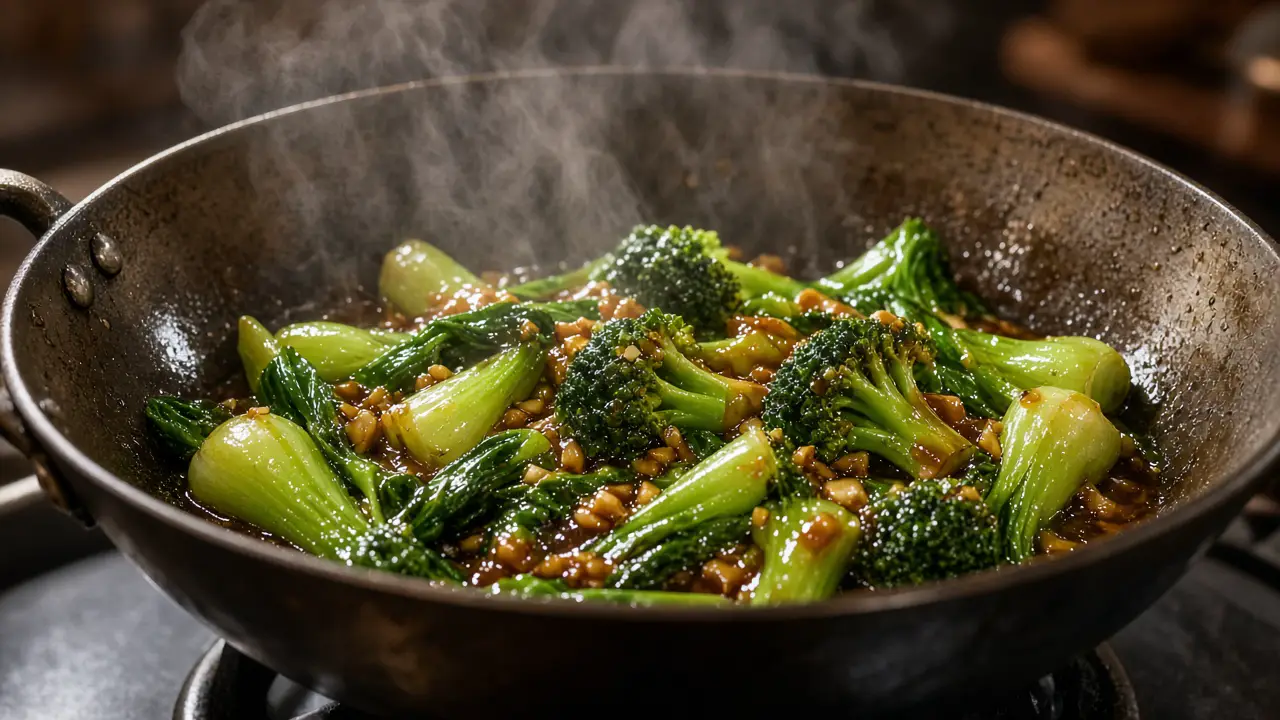
- Weeknight greens. A spoon of oyster sauce in the wok with garlic and broccoli or bok choy is a classic fast side.
- Noodles. Oyster sauce shows up in savory noodle stir-fries. If you're still deciding between soft and crispy styles, our lo mein vs chow mein guide helps.
- Meat glaze. Thin hoisin with a little water and brush it on roasted chicken thighs or pork in the last stretch of cooking.
- Dipping sauce. Hoisin next to cucumbers, scallions, and wrappers is the Peking-duck move at home. For dumpling-and-small-plate context, see dim sum vs dumplings.
- Takeout pairing. A sticky-sweet glaze sauce and a spicy stir-fry like kung pao chicken balance each other on the table. Torn between mains? Compare kung pao vs general tso, hunan chicken vs kung pao chicken, kung pao vs szechuan, or kung pao chicken vs orange chicken.
- Sauce rabbit holes. If you're really asking what is kung pao sauce, start with what is kung pao sauce made of and, for shopping, best bottled kung pao sauce.
Allergens, Gluten and Storage
Treat both bottles like concentrated pantry sauces: useful, not invisible.
- Soy. Hoisin is soybean-based. Many oyster sauces also include soy.
- Wheat / gluten. Common in thickeners and some soy components. If you need gluten-free, read every label. Our notes on gluten-free kung pao chicken apply the same label-first habit.
- Shellfish. Regular oyster sauce is the red flag. Hoisin usually is not, but still verify.
- Sesame. Some hoisin formulas include sesame. Check if that matters for your kitchen.
- Storage. Once open, most brands tell you to refrigerate. Follow the bottle, not internet guesses about "must finish in X days."
Ordering Chinese food for a mixed-allergy table is its own puzzle. Peanuts in one dish do not mean peanuts in every dish — see does kung pao chicken have peanuts and our kung pao chicken allergens rundown. And if you're weighing how "heavy" a takeout plate feels, start with cooking method and portion size, not vibes; we walk through that for one staple in is kung pao chicken healthy.
FAQ
What is hoisin sauce made of?
Hoisin sauce is built on fermented soybean paste, usually with sugar, garlic, chili, vinegar, spices such as five-spice, and a thickener. Exact formulas vary by brand. It is typically sweet-salty and thick enough to use as a glaze or dip. Check the label for wheat, sesame, and other allergens.
What does hoisin sauce taste like?
It tastes sweet and salty at once, with garlic and a mild spicy edge. The texture is thick and sticky, more like a barbecue glaze than thin soy sauce. That is why it works so well brushed on roasted meat or set out as a dipping sauce.
Is hoisin sauce the same as oyster sauce?
No. Is hoisin sauce oyster sauce? People ask because both are dark and thick, but hoisin is a sweet fermented-soy condiment and oyster sauce is a savory sauce usually made with oyster extracts. They play different roles and are not a clean one-to-one swap.
Can you substitute oyster sauce for hoisin sauce?
Only as a rough emergency fix. Oyster sauce is less dessert-sweet and usually contains shellfish extracts. If you must, add a little sugar and soy to nudge it toward a glaze, knowing the flavor will still differ. For the reverse swap, thin sweet hoisin with water and salt so it does not overpower a stir-fry.
Should I buy hoisin or oyster sauce?
Buy hoisin if you want glazes and sweet dipping sauces. Buy oyster sauce if you mostly stir-fry vegetables and noodles. Many North American home cooks eventually keep both because recipes call for each by name for a reason.
Does oyster sauce actually contain oysters?
Many traditional and supermarket bottles do, as oyster extracts or essence. Vegetarian or mushroom oyster sauces are made to skip oysters. Always read the ingredient list if you have a shellfish allergy or eat vegetarian.
Can vegetarians eat oyster sauce?
Regular oyster sauce usually is not vegetarian. Look for bottles labeled vegetarian, vegan, or mushroom oyster sauce, then confirm the ingredient list. Do not assume "oyster flavored" means plant-based.
What's the difference between soy sauce and hoisin sauce?
Soy sauce is thinner, saltier, and more of an all-purpose seasoning. Hoisin is thicker, sweeter, and closer to a glaze or dip. You can season with soy in almost any savory dish; hoisin is for specific sweet-savory jobs.
Is hoisin sauce the same as teriyaki sauce?
No. Teriyaki usually follows a soy-plus-sugar-plus-mirin or sake path from Japanese cooking. Hoisin is a Chinese fermented-soy paste style sauce with its own garlic-spice profile. They can both glaze meat, but they are not the same bottle.
How do you pronounce hoisin?
Say hoy-sin. Two syllables, stress on the first. The name comes from Cantonese hói sīn, written 海鲜, meaning seafood as a flavor idea, not as a seafood ingredient list.
The Bottom Line
So, what is hoisin sauce? A thick, sweet-salty fermented soybean condiment with a seafood-flavored name and, usually, no seafood inside. When it comes to hoisin sauce vs oyster sauce, remember the jobs: hoisin glazes and dips; oyster sauce seasons stir-fries with savory depth and often real oyster extracts. Buy for the recipe you cook most, read the label, and keep the bottles straight.
Want more pantry and menu decoding? Start with chili crisp vs chili oil or browse our Chinese food guide.