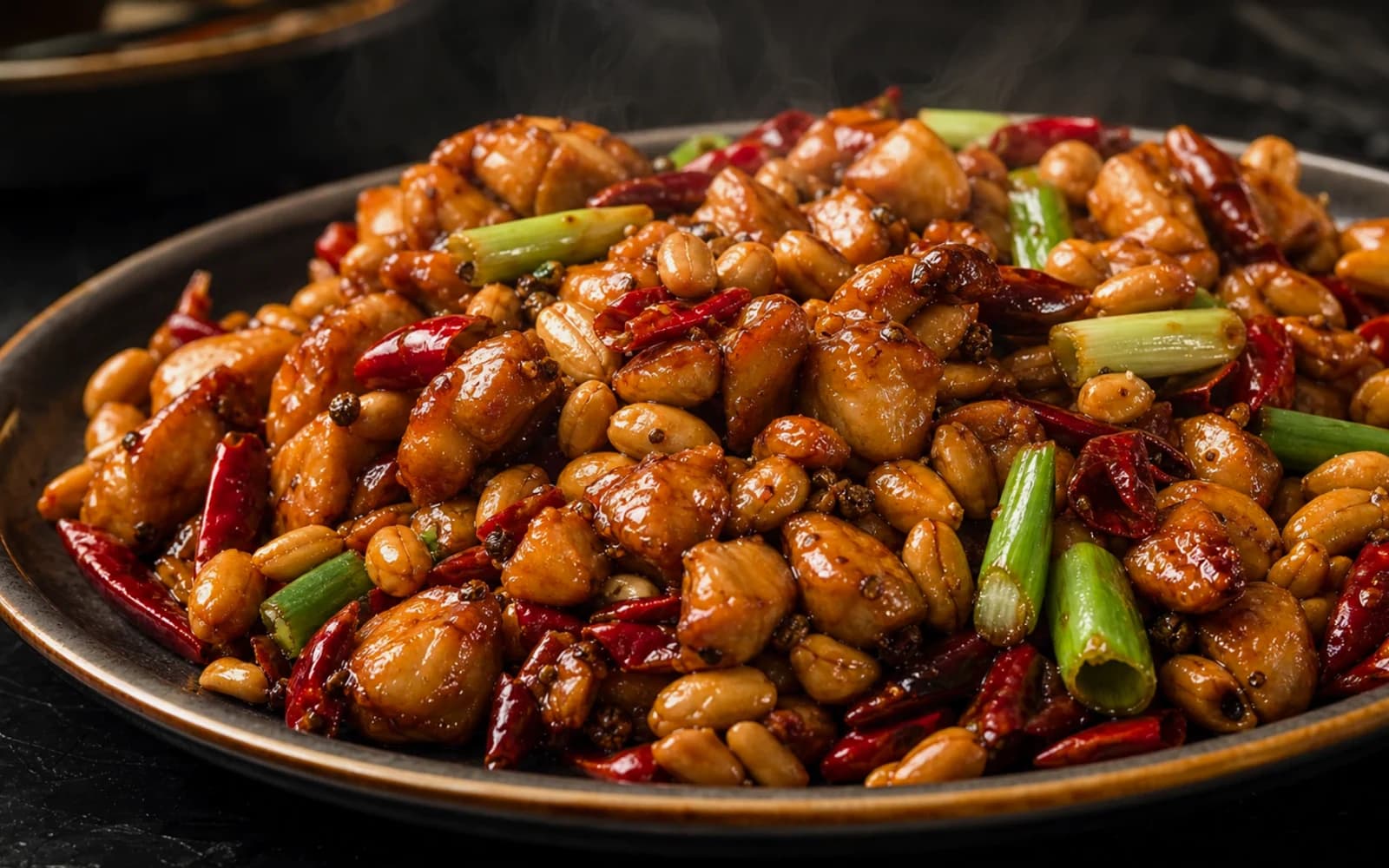
Quick Answer
The allergen risk is broader than peanuts.
Shrimp versions, oyster-style sauces, and shared woks can also matter for shellfish-sensitive diners. The safe answer is never "it should be fine." The safe answer is current label, official allergen chart, trained restaurant confirmation, and medical guidance for high-risk conditions. For nutrition context, read is Kung Pao Chicken healthy.
Peanuts
Often visible, often central, and not solved by picking them off after cooking. Peanut oil, prep surfaces, and shared containers can matter.
Soy
Soy sauce is a core sauce component. Soy can also appear in premixed sauces, marinades, and restaurant bases.
Wheat / gluten
Many soy sauces contain wheat, and breaded or thickened restaurant versions can add more uncertainty.
Sesame
Sesame oil is common in Chinese-American kitchens and sesame is a major allergen under U.S. labeling law.
Shellfish
Not classic for chicken Kung Pao, but shrimp versions, oyster sauce, shared woks, and shared utensils can create risk.
Tree nuts
Cashew substitutions or shared storage can introduce tree-nut exposure even when the visible topping looks peanut-focused.
Major Allergens
The major-allergen checklist belongs beside the menu.
Under U.S. food-labeling rules, major allergens include milk, eggs, fish, crustacean shellfish, tree nuts, peanuts, wheat, soybeans, and sesame. Kung Pao Chicken does not usually involve milk or egg, but it can easily touch peanuts, soy, wheat, sesame, shellfish, and tree nuts through ingredients or cross-contact.
This is why chain nutrition pages and allergen PDFs matter. Panda Express and P.F. Chang's both publish official nutrition or allergen information, and those pages should outrank memory, screenshots, old blog posts, and the confidence of a busy counter conversation.
Peanuts
Peanuts are visible, but visibility does not make them manageable.
Many versions of Kung Pao Chicken include peanuts as a defining texture. Removing visible peanuts after cooking is not an allergy control because the food may have been cooked with peanuts, peanut oil, peanut fragments, shared utensils, or shared prep containers. Peanut-free adaptations need separate ingredients and clean handling, not last-minute archaeology.
If the goal is flavor rather than safety, the substitutions guide covers cashews and sunflower seeds. If the goal is allergy safety, treat every replacement as a label and cross-contact question.
Sauce
Soy sauce brings soy, and often wheat/gluten.
Soy sauce is central to the classic sauce profile explained in the Kung Pao sauce guide. That makes soy exposure likely unless a soy-free substitute is deliberately used. Wheat exposure is also common because many soy sauces are brewed with wheat. Thickened sauces, marinades, premixes, and restaurant bases can add more uncertainty.
A gluten-free claim requires more than "we used tamari." The bottle must be labeled appropriately, and the kitchen has to control cross-contact. The stricter playbook is in gluten-free Kung Pao Chicken.
Hidden Exposures
Sesame and shellfish are not always in the title.
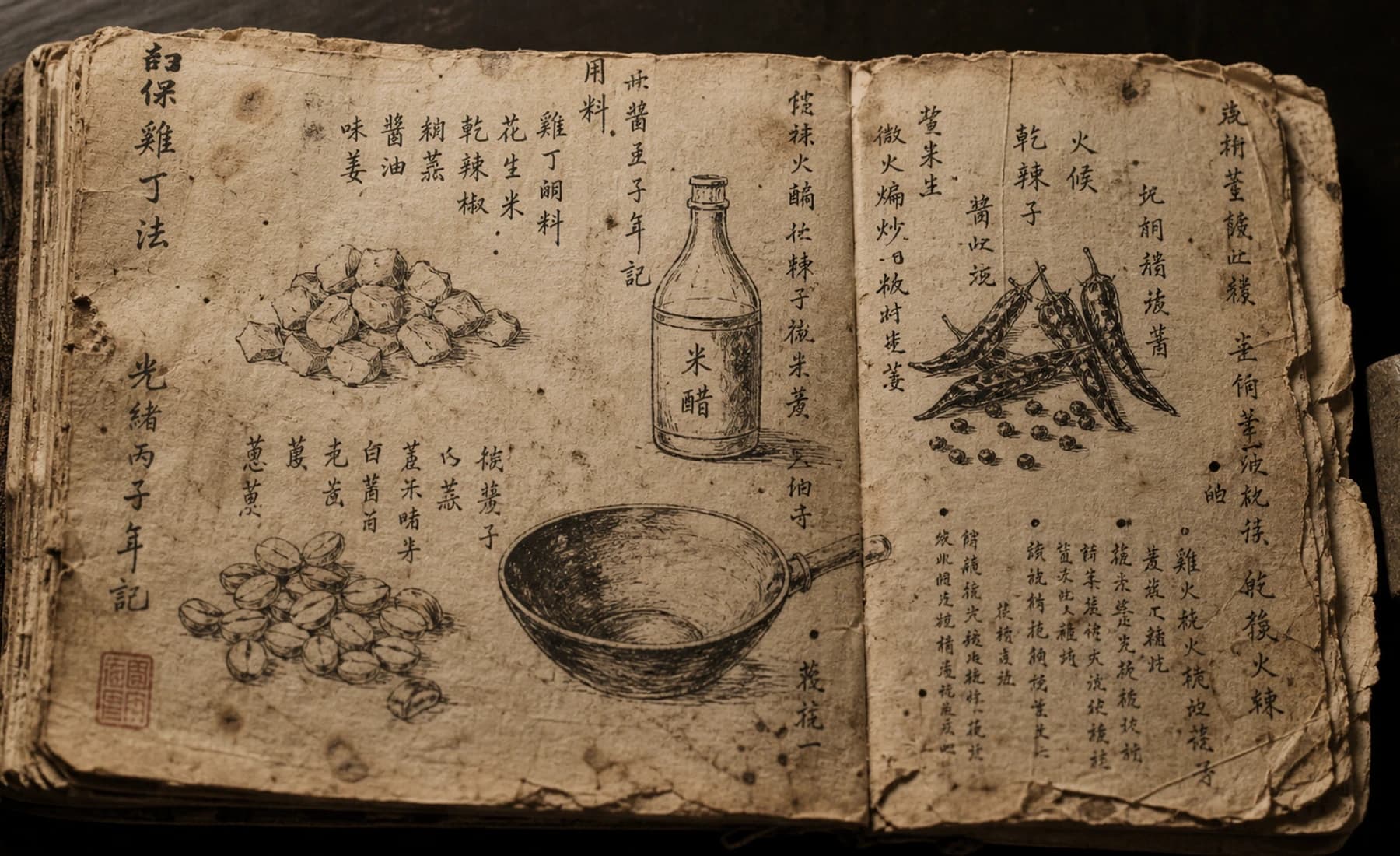
Sesame oil can appear as a finishing aroma in Chinese-American cooking, even when it is not listed in a short menu description. Sesame is now a major allergen in the United States, so diners who react to sesame should ask directly and use official information.
Shellfish is not a default chicken Kung Pao ingredient, but shrimp Kung Pao, oyster sauce, shared woks, shared utensils, and shared prep stations can create risk. A restaurant that sells shrimp and chicken from the same line may not be able to guarantee separation.
Restaurant Reality
Shared equipment is the part the menu cannot show.
Restaurant allergen risk is not only ingredient risk. A wok can cook chicken after shrimp. A sauce ladle can move between containers. A prep surface can hold peanut fragments. A fryer can carry wheat or shellfish residue. Even a well-intentioned staff member may not know the contents of a premixed sauce.
That does not mean every diner must avoid the dish. It means high-risk diners need the restaurant's current official policy. If the staff cannot answer, the answer is not magically safe.
Ordering Checklist
What to ask before ordering Kung Pao Chicken.
- Does this Kung Pao Chicken contain peanuts, peanut oil, or peanut-containing sauce?
- Is the soy sauce gluten-free, or does it contain wheat?
- Is sesame oil used in the sauce, wok, garnish, or finishing step?
- Are shrimp, oyster sauce, fish sauce, or shellfish-containing bases used anywhere in the sauce or kitchen line?
- Is the dish cooked in a shared wok, fryer, or prep area with peanuts, wheat, shellfish, sesame, or tree nuts?
- Can the restaurant show an official allergen menu or ingredient statement rather than a verbal guess?
For calorie and sodium tradeoffs after the allergen question is solved, compare Kung Pao Chicken calories and the low-carb Kung Pao guide.
FAQ / Allergen Hearing
Questions to settle before the order goes in.
Does Kung Pao Chicken contain peanuts?
Usually yes. Peanuts are a defining part of many Kung Pao Chicken versions, and picking them off after cooking does not make the dish safe for a peanut allergy.
Is Kung Pao Chicken gluten-free?
Not automatically. Many soy sauces contain wheat, and restaurant cross-contact can be an issue. Use verified gluten-free ingredients at home or official restaurant allergen information when ordering.
Does Kung Pao Chicken contain sesame?
It may. Sesame oil is common in related sauces and finishing steps, but recipes vary. Sesame is a major allergen, so diners who react to it should confirm with labels or official restaurant information.
Can Kung Pao Chicken contain shellfish?
Chicken Kung Pao is not usually a shellfish dish, but shrimp versions, oyster sauce, shared woks, and shared utensils can create cross-contact concerns.
What should I ask before ordering Kung Pao Chicken with allergies?
Ask for the official allergen menu, ingredient list, and cross-contact policy. Confirm peanuts, soy, wheat/gluten, sesame, shellfish, shared woks, shared fryers, and premixed sauces.