Quick Answer
Kung Pao Chicken can be low-carb adapted; restaurant versions are not reliably keto.
Traditional Kung Pao sauce needs some sweet-sour balance and a little thickening. Keto versions often modify both, which is fine if the label is honest. This page is nutrition orientation, not medical advice; therapeutic keto, diabetes plans, kidney disease, or other clinical diets belong with a clinician or registered dietitian. For the baseline nutrition frame, start with is Kung Pao Chicken healthy.
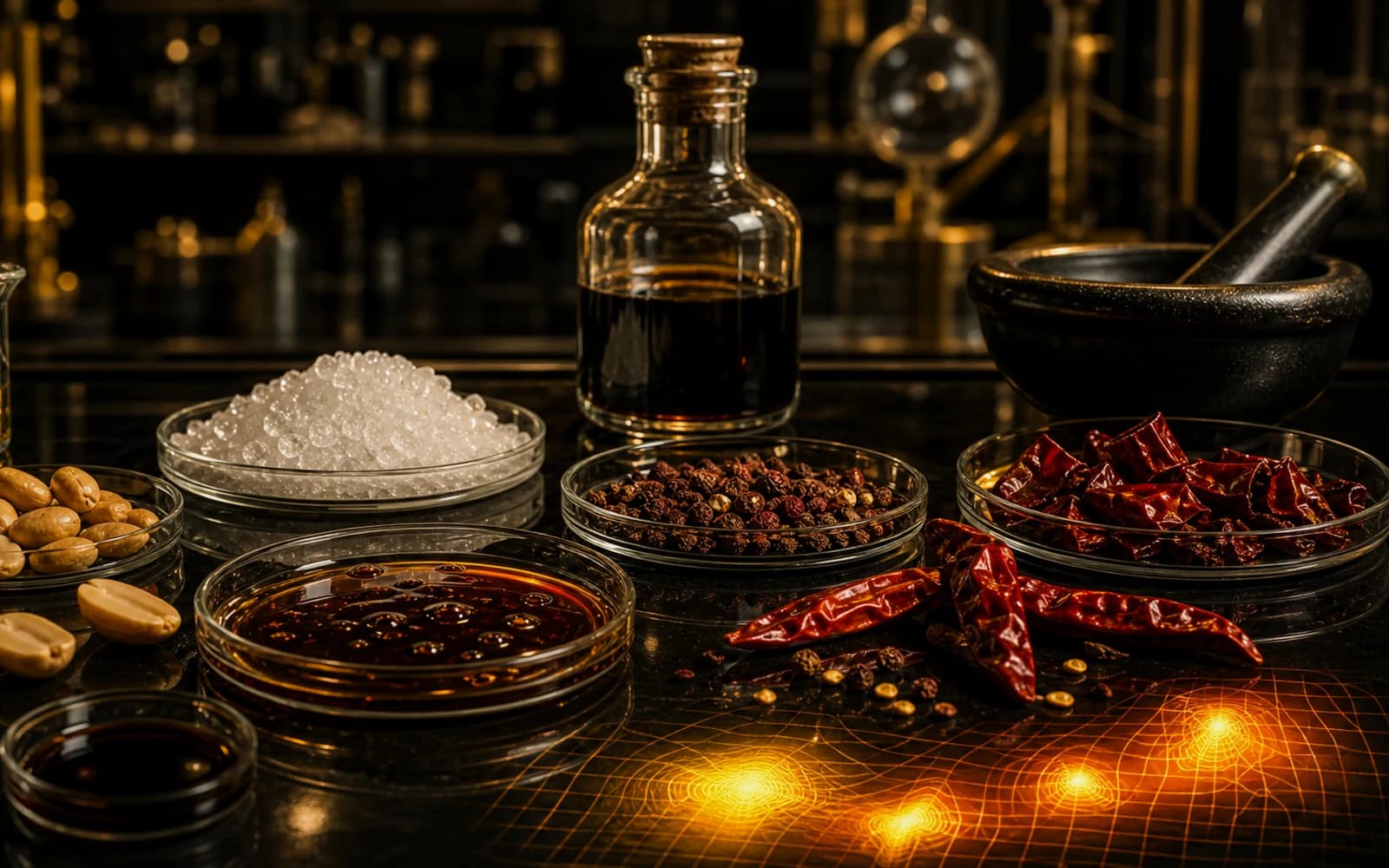
Usually the largest carb load. Skipping rice changes the meal more than any sauce tweak.
Traditional sauce uses some sweetness. Low-carb versions reduce it, replace it, or accept a sharper sauce.
Cornstarch gives the glaze its cling. Low-carb versions use less, use alternatives carefully, or tolerate a thinner sauce.
Premixed sauces can hide sugar and starch. Labels decide the carb story.
Non-starchy vegetables can add volume, but big sweet peppers and onions still count for stricter keto plans.
Usually workable in modest amounts, but they are calorie-dense and not carb-free.
Carb Map
The carb drivers are rice first, sauce second, assumptions third.
The easiest carb reduction is also the least mysterious: skip or shrink the rice. After that, inspect the sauce. Sugar, cornstarch, bottled sauces, and restaurant premixes can all matter. Vegetables are not the villain, but strict keto plans may still count onions, peppers, and larger portions of sweeter vegetables.
The calorie story is separate. Peanuts, oil, and chicken can fit low-carb eating while still raising calories. Use Kung Pao Chicken calories when the question is total intake rather than carbs alone.
Sauce
Low-carb sauce has to replace sugar and starch with judgment.
Classic Kung Pao sauce is savory, sour, lightly sweet, and thickened just enough to cling. Reducing sugar makes the vinegar sharper. Removing starch makes the sauce looser. Low-carb sweeteners or tiny amounts of xanthan gum can help, but they change texture and aftertaste if used heavily.
The best low-carb sauce is restrained: enough sweetener to round the vinegar, enough thickening to glaze, and enough ginger, garlic, scallion, dried chile, and Sichuan peppercorn to make the dish taste alive. The full standard sauce logic is in Kung Pao sauce.
Plate Design
Rice, cauliflower rice, vegetables, and the authenticity receipt.
Skipping rice is the largest low-carb move. Cauliflower rice can be useful, but it belongs to the adaptation file, not the orthodox archive. Non-starchy vegetables can add volume and fiber; they also move the dish toward a broader stir-fry. That is not a crime. It just needs an honest caption.
If authenticity matters, keep the diced chicken, peanuts, dried chiles, Sichuan peppercorn, scallion, ginger, garlic, vinegar, and tight sauce recognizable. The authentic Kung Pao Chicken guide explains why a plate can be delicious and still drift from the classic form.
Protein + Fat
Chicken and peanuts are usually low-carb allies, but not free objects.
Chicken is the easy part: protein-forward, quick-cooking, and happy in a sharp sauce. Peanuts are usually workable in modest amounts, but they add calories and some carbs. They also raise allergy concerns. If you change the crunch, read Kung Pao Chicken substitutions and Kung Pao Chicken allergens before treating the swap as solved.
Restaurant Reality
Restaurant low-carb Kung Pao Chicken is a negotiation, not a guarantee.
- Sauce may be sweeter and thicker than a home version.
- Rice may be included automatically or built into a combo plate.
- Chicken may be velveted, coated, or sauced with starch-heavy premixes.
- Vegetable-heavy versions can still include sugary sauce.
- Low-carb requests do not solve sodium or allergen questions.
- Nutrition pages are more reliable than menu adjectives.
Ask for no rice, sauce on the side if possible, and current nutrition information when a chain provides it. If the restaurant cannot explain the sauce, assume it may contain sugar and starch. That is not a moral judgment. It is just how restaurant sauces keep their shine.
Medical Caveat
Low-carb is a food pattern; keto can be a medical tool.
This page does not prescribe keto. People use low-carb and ketogenic diets for different reasons, and the risk profile changes with diabetes medication, kidney disease, pregnancy, eating-disorder history, heart disease, and other clinical contexts. If your diet is strict or medical, use clinician guidance and precise labels rather than a restaurant dish name.
Also remember that low-carb does not mean low sodium, gluten-free, peanut-free, or low calorie. A plate can pass one dietary test and fail another with theatrical confidence.
FAQ / Low-Carb Hearing
Questions before the rice leaves the plate.
Is Kung Pao Chicken keto?
Restaurant Kung Pao Chicken is usually not reliably keto because of rice, sugar, starch, and sauce uncertainty. A home version can be adapted for lower carbs, but strict keto needs exact ingredient tracking.
Is Kung Pao Chicken low carb without rice?
It can be much lower in carbs without rice, but sauce sugar, starch, vegetables, peanuts, and portion size still matter.
Can I make Kung Pao sauce without sugar?
You can reduce or replace sugar, but the sauce will taste sharper. The classic sweet-sour balance uses some sweetness, so label the result as a low-carb adaptation.
What can replace cornstarch in low-carb Kung Pao Chicken?
Some cooks use less starch, xanthan gum, or a reduced sauce. Each changes texture. Use a light hand because the sauce should glaze, not become slippery paste.
Is low-carb Kung Pao Chicken healthy?
It depends on the person and the plate. Lower carbs do not automatically mean low sodium, low calorie, or medically appropriate. For diabetes, kidney disease, heart disease, or therapeutic keto, use clinician guidance.