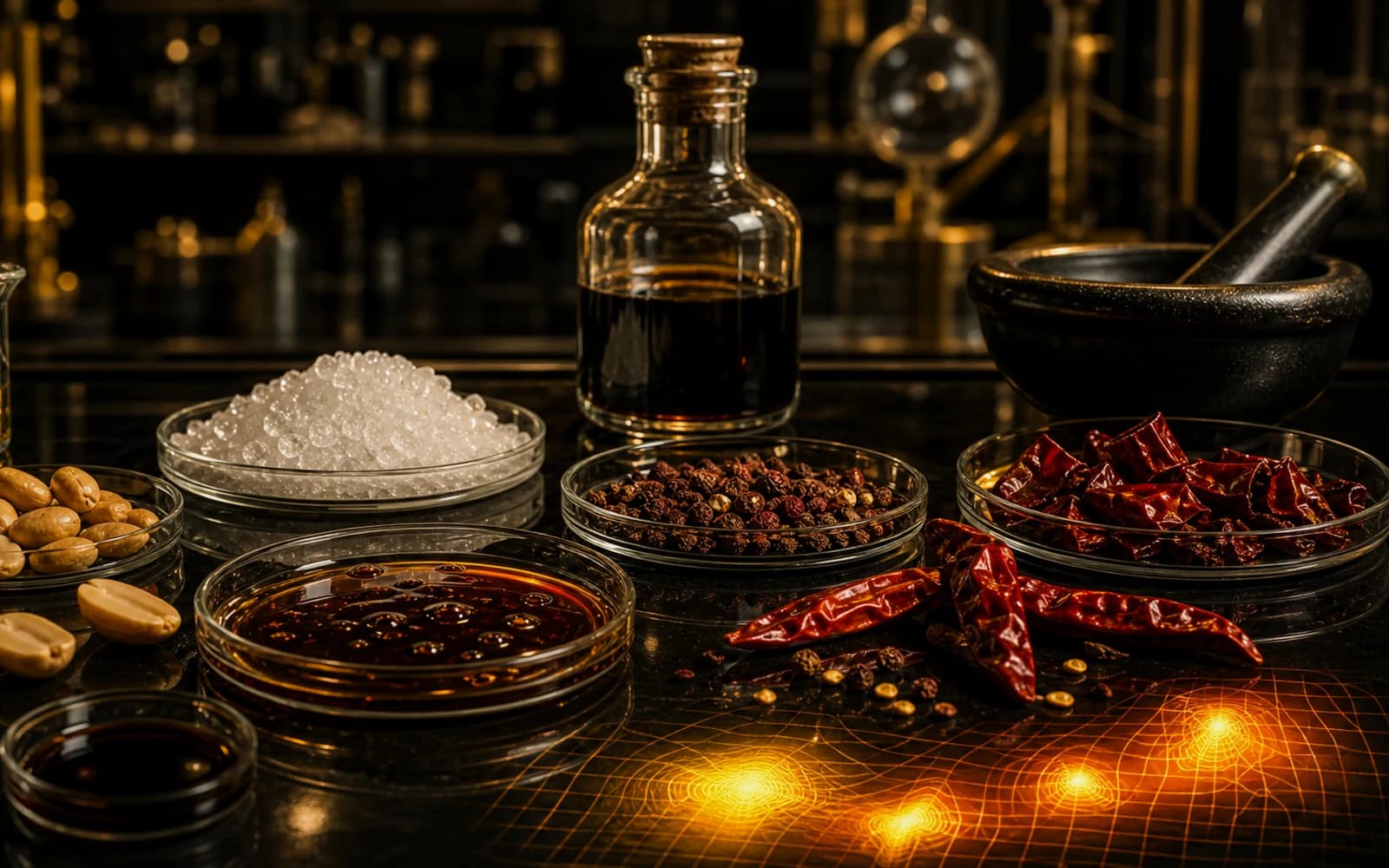
Quick Answer
The useful substitution rule: keep the architecture visible.
If you are substituting for taste, be honest about the tradeoff. If you are substituting for allergy, celiac disease, sodium limits, or another strict diet, the source of truth is the product label, the restaurant's official allergen information, and your clinician when medical risk is involved. For the baseline dish, compare the Kung Pao Chicken recipe and the authentic Kung Pao standard.
Cashews give buttery crunch and a softer sweetness. They work beautifully in a weeknight adaptation, but they move the dish away from the classic peanut signal.
Sunflower seeds can give texture without tree nuts, but they are not automatically safe for every allergy situation. Buy labeled products and avoid shared-bin mystery scoops.
Firm or extra-firm tofu can carry the sauce well if pressed and browned. Call it Kung Pao tofu rather than pretending chicken quietly stayed in the room.
Shrimp works with the sauce but changes timing and allergy risk. It cooks quickly and belongs nowhere near a kitchen serving shellfish-sensitive diners without clear controls.
Rice vinegar is cleaner and lighter. Use a little less sugar, then taste, because Chinkiang's dark depth is doing work that plain brightness cannot fully replace.
Dry sherry keeps the cooking-wine aroma in the right neighborhood. Stock or water can function, but the sauce will taste flatter.
Crunch
Peanuts, cashews, sunflower seeds, and the allergy caveat.
Peanuts are not a garnish in classic Kung Pao Chicken. They are part of the rhythm: soft chicken, glossy sauce, toasted chile, crisp nut. Cashews make the dish rounder and richer, but they shift it toward cashew-chicken comfort. Sunflower seeds can add crunch when peanuts or tree nuts are off the table, yet bulk-bin seeds and shared equipment can still be a problem for sensitive diners.
The important line is safety. A peanut-free version is not automatically allergy-safe. Sauces, oils, packaged seeds, restaurant woks, fryers, and prep surfaces may carry cross-contact. For high-risk allergies, use official allergen documents and labels instead of a recipe writer's optimism. The full risk map lives in the Kung Pao Chicken allergens guide.
Main Ingredient
Chicken can become tofu, shrimp, or something else, but timing changes.
Tofu is the cleanest vegetarian substitution. Press it, dry it, brown it, and let the sauce glaze the edges. Soft tofu will collapse; extra-firm tofu has the dignity required for the hearing. Shrimp is also plausible because it loves sweet-sour chile sauce, but it cooks quickly and adds a major allergen concern. Pork, beef, or mushrooms can work as house variations, though each changes the center of gravity.
The sauce should be adjusted to the protein. Tofu may need a firmer sear and a slightly more assertive sauce. Shrimp needs less time and should not sit in a thickening sauce while everyone searches for a serving spoon. For macro tradeoffs, see is Kung Pao Chicken healthy and Kung Pao Chicken calories.
Acid
Chinkiang vinegar is ideal; rice vinegar is the practical understudy.
Chinkiang black vinegar gives the sauce depth, darkness, and a malty sourness that plain rice vinegar cannot fully imitate. Rice vinegar is still useful, especially in a pantry emergency. It tastes brighter, so the sauce may need less sugar. Balsamic vinegar is usually too sweet and too Western-coded unless you are knowingly building a fusion plate.
Vinegar matters because Kung Pao sauce is not just salty brown liquid. The sweet-sour axis is what keeps soy sauce, sugar, starch, and oil from feeling heavy. The Kung Pao sauce guide is the deeper file on that balance.
Cooking Wine
Shaoxing wine, dry sherry, stock, and alcohol-free adjustments.
Shaoxing wine brings a warm fermented aroma to both marinade and sauce. Dry sherry is the most common English-language pantry substitute. Unsalted chicken stock or water can replace the liquid when avoiding alcohol, but the result will be simpler, so lean harder on ginger, garlic, scallion, vinegar, and toasted chile aroma.
If gluten-free cooking is the goal, check the Shaoxing bottle and every substitute bottle, not just the soy sauce. Wheat can appear where a rushed cook does not expect it. The stricter workflow is in the gluten-free Kung Pao Chicken guide.
Sichuan Signal
Sichuan peppercorn and dried chiles are flavor identity, not decoration.
Sichuan peppercorn is hard to replace because its numbing, citrusy quality is specific. Black pepper adds sharpness but not the same buzz. Dried chiles are also not identical to hot sauce or fresh jalapeno: they perfume the oil and leave toasted chile aroma behind. You can reduce them for heat tolerance, but removing both peppercorn and dried chiles leaves the dish speaking with a different accent.
Labels
Low-sodium soy sauce and tamari need label reading, not wishful thinking.
Low-sodium soy sauce can help reduce sodium, but it is not sodium-free. Tamari can be a good soy-sauce substitute and is often associated with gluten-free cooking, but only a clearly labeled gluten-free tamari should be treated that way. Coconut aminos can reduce soy exposure for some cooks, but they taste sweeter and can push the sauce away from the classic profile.
For strict diets, never treat a category word as a guarantee. Read the actual bottle and remember that restaurant sauces can include premixes, stock bases, oyster sauce, hoisin, sesame oil, or wheat-containing soy sauce even when the menu description is short.
Authenticity
What substitutions break the Kung Pao claim?
- No dried chiles, no Sichuan peppercorn, no vinegar, and no peanuts is not a substitution plan; it is a different brown stir-fry.
- A bottled sweet chili sauce can be dinner, but it should not be described as classic Kung Pao sauce.
- Broccoli, bell pepper, or zucchini can make a fuller meal, but they shift the plate toward American takeout style.
- Cashew chicken with Kung Pao-ish sauce may be delicious. The honest label matters more than the court costume.
The editorial judgment is simple: adapt openly. A gluten-free, low-sodium, peanut-free, tofu-based version can be useful and delicious. It should also tell the truth about what changed, because the name Kung Pao carries a real sauce-and-aromatics grammar.
FAQ / Substitution Court
Questions before the pantry starts negotiating.
What is the best peanut substitute for Kung Pao Chicken?
Cashews are the closest comfort-food swap, while sunflower seeds can add crunch for some nut-avoidant kitchens. For allergies, do not rely on substitution lists alone; use product labels, restaurant allergen information, and medical guidance when needed.
Can I make Kung Pao Chicken without Sichuan peppercorn?
Yes, but the dish loses its numbing Sichuan character. Keep dried chiles, vinegar, peanuts or a safe crunch substitute, ginger, garlic, scallion, and a tight soy-vinegar sauce so the plate still points in the right direction.
Can I use rice vinegar instead of Chinkiang vinegar?
Yes. Rice vinegar is brighter and less dark, so reduce sugar slightly and taste before adding more. Chinkiang vinegar gives deeper, malty acidity that rice vinegar cannot copy exactly.
Can tamari replace soy sauce?
Tamari can replace soy sauce for flavor, and some tamari is gluten-free, but not all products are certified gluten-free or low sodium. Read the exact label.
Do substitutions make Kung Pao Chicken inauthentic?
Some substitutions are ordinary kitchen pragmatism. Others change the dish identity. The clearest line is flavor architecture: diced protein, dried chiles, Sichuan peppercorn, peanuts or a disclosed crunch swap, ginger, garlic, scallion, and a sweet-sour-savory sauce that clings.