Direct Answer
Direct Answer
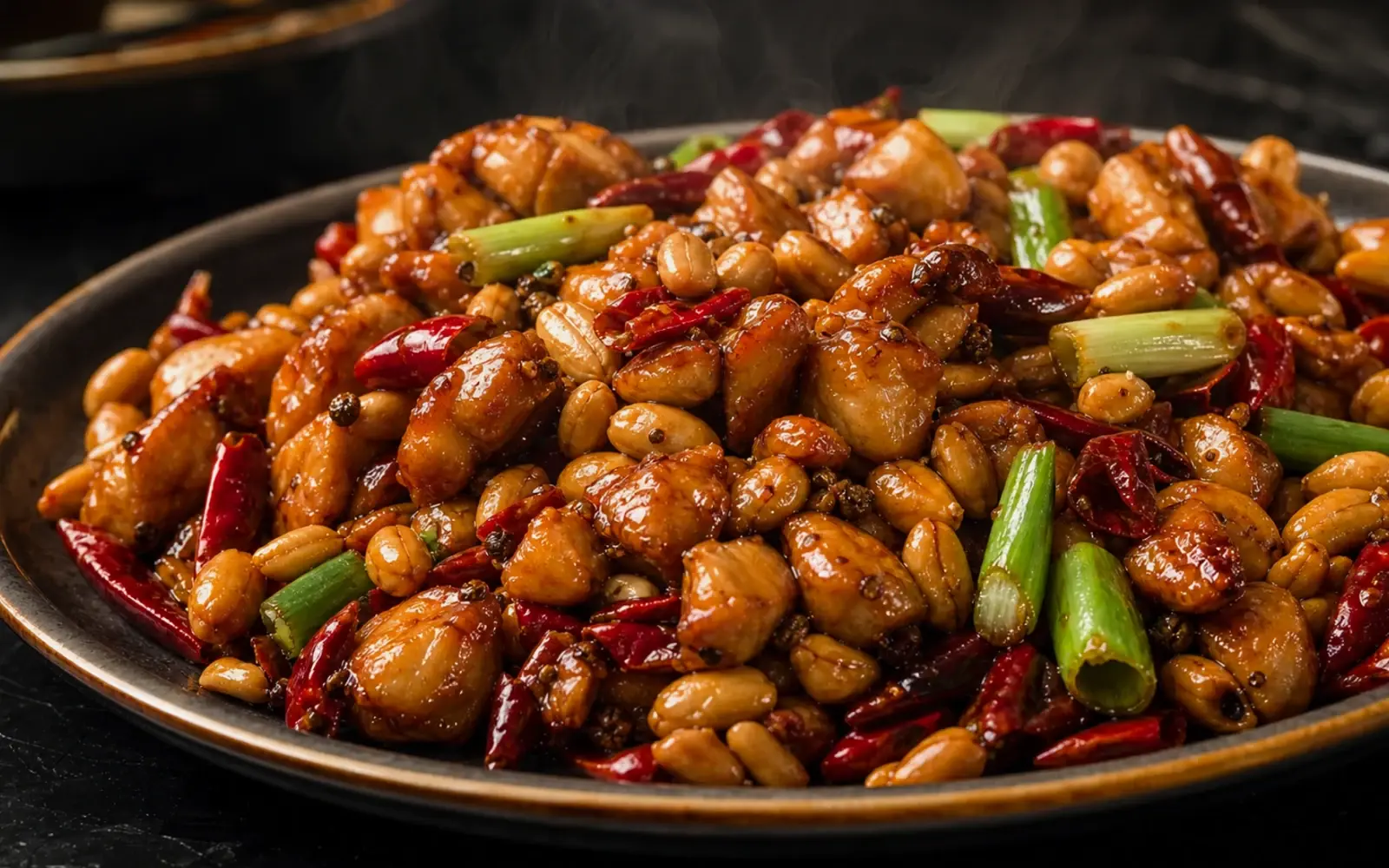
Traditional Kung Pao chicken contains peanuts. If you have a peanut allergy, ask about the sauce, oil and shared equipment before ordering.
Peanuts may be fried separately and tossed in at the end, already mixed into the dish, or present in a sauce or garnish. Ask the restaurant to check the actual ingredients and preparation. If staff cannot confirm they can manage peanut cross-contact, choose a different dish or kitchen.
Why It Matters
What to ask the kitchen
A menu description can tell you what the restaurant intends to put on the plate. It cannot tell you what was on the shared wok, utensils or prep station. Tell staff this is an allergy so the question reaches whoever is preparing the food.
Practical Test
What to check
- Ask whether peanuts or peanut oil are used at any stage.
- Ask whether the kitchen can use suitable clean equipment and ingredients.
- For packaged meals, read the current ingredient and allergen statements every time.
Common Mistakes
Where people get tripped up
Removing visible peanuts does not resolve cross-contact.
Why peanuts are there in the first place
A plate of 宫保鸡丁, gōng bǎo jī dīng, typically includes peanuts for a reason you notice as soon as you take a bite. The nuts give the chicken a dry, roasted crunch against a thin, salty-sour glaze. A cook can fry or roast them separately and put them in late so they hold that texture. In some kitchens they are tossed through the whole pan. In others they go over the food at the end. Either way, the peanuts are a familiar part of the dish and a good reason to ask about the preparation before ordering.
There is no rule that every menu using the name Kung Pao follows the same recipe. You might see a restaurant using cashews, one serving chicken with vegetables and a separate packet of peanuts, or one leaving nuts out altogether. A photo of somebody else's order cannot tell you whether the current sauce contains peanuts or how your food was made. If you are looking for traditional flavor, ask whether the nuts are roasted and added to the stir-fry. If you are asking because of an allergy, put that information first and ask a different set of questions.
The difference matters because a visible nut is only the easiest form to identify. A kitchen might use ground peanuts in a component, use oil that you need to ask about, or handle the dish with a scoop also used to portion nuts. Someone at the counter can honestly say the finished dish comes without a peanut garnish while still needing to check those details. Start with a conversation about ingredients and preparation together. You will get a more complete answer than you would from a yes-or-no question about what the dish looks like.
Ask about the sauce, the oil and the garnish separately
The finishing sauce is often a blend of soy sauce, vinegar, sugar and starch. That general description tells you something about the flavor and very little about a specific restaurant's ingredients. Some kitchens make their own mix and others use a base that arrives in a container. Ask whether the staff can check the ingredients in the exact base used for your order. If the sauce is shared across several dishes or comes from a supplier, the person cooking may need to check the container or current information from the supplier.
Next ask which oil is used for the chicken and which oil is used around it. There may be different oils at the fryer, wok station and finishing station. If you have been told by your clinician to avoid a particular oil, state that directly instead of relying on a broad term such as vegetable oil. Cooking and allergy guidance for peanut-derived oils can depend on the kind of oil and your individual plan. A menu can rarely resolve that question for you, especially when it does not name the oil at all.
Finally ask when the peanuts are handled. A cook might scoop a handful into the pan with a spoon used for other ingredients, store them above open containers or measure them into the same bowl as scallions. A kitchen that is used to answering allergy questions should be able to describe what it can do for this shift. A packet of nuts provided on the side tells you where the last handful went. It leaves open the question of what happened during preparation.
What a cross-contact conversation sounds like
Tell staff whom the allergy affects and what that person needs to avoid. Ask whether someone can check the recipe and the preparation rather than simply toggling a modifier. A clear version is, “I have a peanut allergy. Can the kitchen check the ingredients in the sauce and oil, and tell me whether it can prepare my food with clean equipment away from peanuts?” If you also avoid tree nuts, name those separately. The more specific request helps a staff member carry the right information to the person who can answer.
A useful response explains what the kitchen knows and what it can do. It might say the house sauce is prepared in a batch and cannot be changed, or that a manager can check every ingredient and arrange a separate preparation. It might say that an ingredient changed recently and the current label is unavailable. Each response helps you make a decision. A vague reassurance leaves the essential question unresolved. If the kitchen cannot tell you how it handles peanut cross-contact, skip that order or choose a place that can explain its process.
At a busy service, make sure the request is attached to the correct dish and person. A group may order several stir-fries with similar containers or put a spoon into multiple serving dishes. Ask who will identify the order when it comes out and how they will do it. Clarify any discrepancy before eating. If a person at the table has a peanut allergy, agree in advance about shared utensils and plates. The final step between the kitchen and the table is part of the preparation you need to understand.
Why picking peanuts off the plate is a poor solution
By the time you see the peanuts, the ingredients may have been stirred together several times. The glaze can stick to the nuts and then transfer to the chicken, scallions and serving spoon. Removing the nuts after that leaves the history of the dish the same. Even a freshly prepared dish with a modification can be unsuitable if a utensil or a premixed component was shared. A request to make a new portion only helps if the kitchen can also address ingredients and the way that new portion is cooked and served.
A friend who dislikes peanuts can reasonably ask to leave off a garnish. That is a flavor preference, and the kitchen may be able to offer it quickly. An allergy request calls for a separate conversation. When dining together, avoid passing a preference on as if it were an allergy, since that makes it harder to separate true restrictions from optional changes. Likewise, someone placing an order for an allergic friend should confirm the details with that person before speaking for them. Their usual restrictions and the steps they take may be more specific than a simple “no nuts.”
Cashews deserve their own question. They can occupy the same place in the recipe and provide a similar crunch, but a dish that uses cashews may still be prepared next to peanuts, and a person can have additional allergies. The same reasoning applies to snack mixes, seed toppings and fried crunchy bits. The identity of a substitute is only one piece of information. Ask how it is sourced and handled when relevant, and choose a different dish or method if the answer is unclear.
What changes with delivery and packaged meals
A delivery app may offer a box for instructions, but the restaurant may see that note after payment or alongside a long queue of other orders. Call the restaurant directly before placing the order when an allergy is involved. Make sure you reach the location preparing the food, especially when a brand has several kitchens or a storefront uses a different name on different platforms. Ask who can verify the ingredients and whether there is a reliable way to mark the prepared order. Even a good discussion can lose its value if the wrong location receives the order.
When ordering several dishes at once, request a clear identification for the one whose ingredients and preparation were discussed. Check it on arrival. If a sauce cup is unmarked, an extra topping has appeared or a substitution was made, call the kitchen before eating. A driver will rarely know how the dish was cooked. The restaurant is the place to verify changes in a recipe or a missing label. If a conversation is impossible after delivery, an alternative meal you already know how to check can be a useful fallback.
For a supermarket meal, read the ingredient list and allergen declarations on the current package. Read the wording for any included sachets and toppings too. A brand can sell several versions with similar packaging, and a formulation can change between purchases. In the United States, the FDA explains how major allergen labeling works for foods covered by its rules. Advisory wording about possible contact is a separate matter. If the package leaves your question open, consult the manufacturer or choose a product whose ingredients and handling meet the requirements you follow.
Cooking for someone who avoids peanuts
Decide what you are cooking and how you are going to handle it before you unwrap ingredients. Ask the guest what they avoid and what kinds of products and preparation are acceptable to them. If you normally keep an open bag of peanuts at the stove or use the same spoon across jars, clean the workspace and appropriate utensils and check ingredients that have already been opened. Choose a cooking oil and sauce components everyone can use. A new topping added at the last minute will do little if the preparation already included an ingredient the guest avoids.
You can build texture into the stir-fry without trying to imitate a roasted peanut exactly. Scallion whites keep a little firmness if they go in late. Diced snap peas or crisp vegetables contribute a wetter crunch and change the style of the dish. Toasted sunflower seeds are another possibility if the diner can eat them and the product and its handling meet their needs. Keep the substitution distinct in the serving description so each diner knows what is in their portion. If you cannot confirm what is suitable, ask the guest which different dish they would prefer.
If the same meal also includes food with peanuts, agree on where preparation happens and how food will be served. The easy time to make that decision is before ingredients start moving across the table. Set aside dedicated serving utensils where appropriate, label containers for leftovers and tell other people which spoon goes with which dish. If that arrangement is difficult in your kitchen, one common meal made from ingredients everyone can use is simpler. It also gives you more freedom to concentrate on the soy-vinegar balance, seared chicken and fragrant scallions.
Three ordering situations that call for different choices
You open a delivery menu and see Kung Pao chicken with a tiny peanut symbol. The icon is enough to prompt a call but cannot tell you whether another dish from the same wok station is a workable alternative. Explain your allergy to the kitchen and ask about the substitute dish as well as the Kung Pao. If everything is made from an unverified base or the staff cannot discuss preparation at that hour, switch kitchens. You can make that choice before spending money or waiting for an order that you may be unable to eat.
You are sitting down with friends who are eager to order the house Gong Bao. Let the server know about the allergy before the group chooses dishes, then agree on how the food will be shared. If staff can prepare a suitable individual dish and the group has decided to order a peanut dish separately, ask them to identify the individual plate clearly. If the serving arrangements look confusing when everything arrives, pause and clarify. A shared table is easier to manage when each person understands which plate and utensils can move.
You are cooking on a weeknight and only want to leave peanuts out because you dislike the texture. It is fine to make a personal variation. Keep the small chicken pieces, the light sweet-sour glaze and the fried aromatics, and use a vegetable you enjoy for the change in bite. The result will taste different without the roasted nut flavor, but you can still get the bright sauce and browned edges that make the dish satisfying. That preference scenario is worth separating from an allergy because the two involve very different decisions about equipment, ingredient labels and a cook's ability to serve the dish.
The practical takeaway is to expect peanuts when you see Kung Pao, then check the specific preparation if an allergy is involved. Ask about sauce, oils, toppings and shared equipment before committing to a restaurant order. At home, check the products and plan the preparation with the diner. If a key detail stays unknown, choose a meal you can verify.
Source Notes