Pantry & comfort food
What Is Chili Crisp? The Chinese Condiment Showing Up on Mac & Cheese
If you have walked through the condiment aisle at Walmart, ShopRite, or Trader Joe’s recently, you might have noticed bright glass jars bearing curious labels like chili crisp or chili crunch. Perhaps you even spotted limited-edition boxes of Kraft Mac & Cheese flavored with chili crisp on social media or in local grocery displays. For decades, this condiment was a cherished secret tucked inside Asian supermarkets. Today, it is everywhere. But if you have never tried it, you are probably asking yourself: what is chili crisp, why are people drizzling it over pizza and pasta, and how hot is it really?
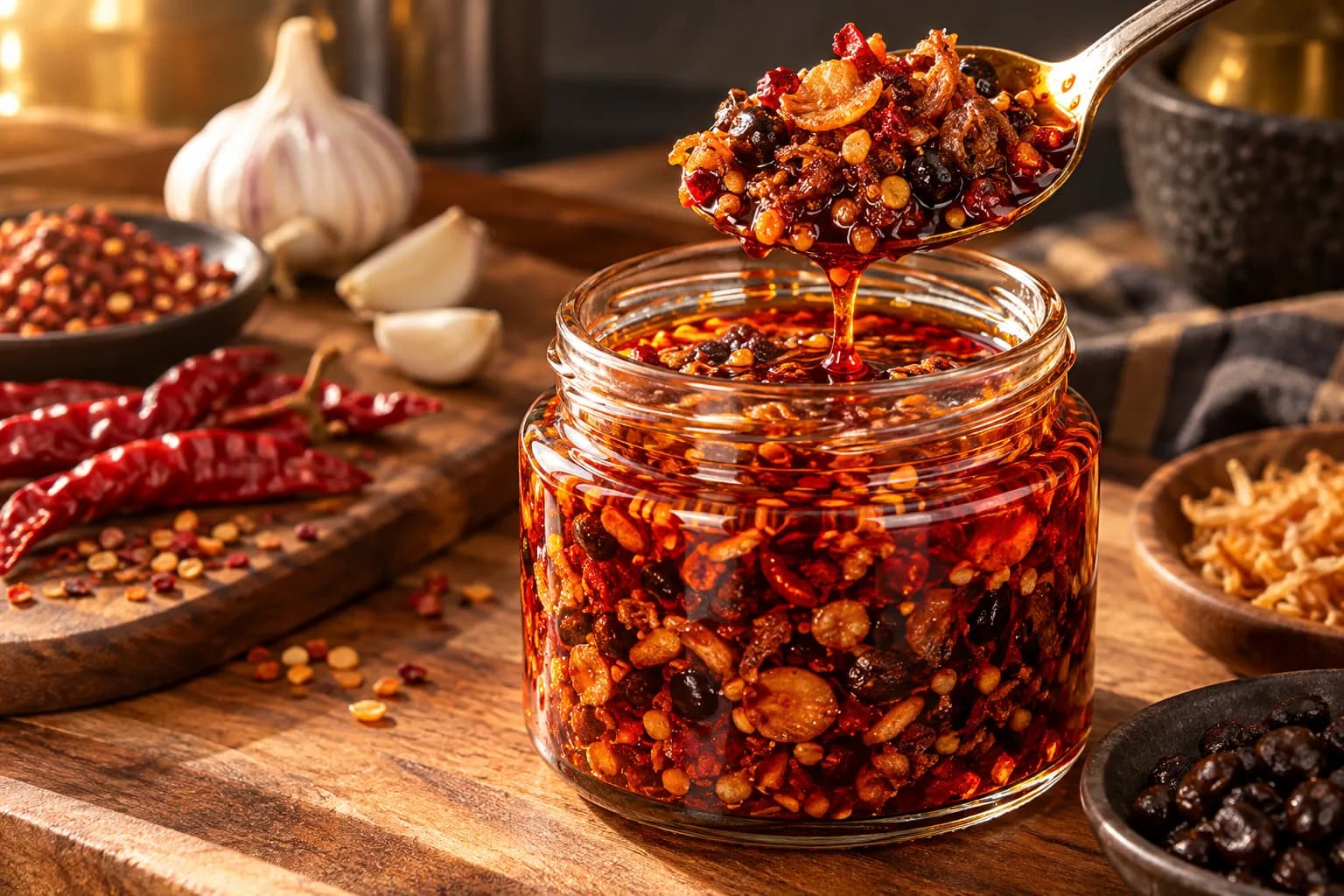
At its core, chili crisp is an infused, spoonable Chinese condiment made of aromatic cooking oil packed with crunchy, savory solid bits—most notably fried garlic, crispy shallots, cracked roasted chili peppers, and fermented beans. Unlike smooth, pourable hot sauces, it is celebrated just as much for its crackling texture as its heat. North American home cooks have quickly realized that a single spoonful wakes up scrambled eggs, avocado toast, and cheesy pasta.
While it belongs to the broader Chinese infused-oil family, it delivers a distinctly different dining experience from clear chili oil. (For a dedicated breakdown of textures and uses, check out our chili crisp vs chili oil guide ). Below, we explore what gives this crunchy condiment its addictive flavor, how to shop for it, and how to start using it in your kitchen tonight.
What Is Chili Crisp?
To understand chili crisp, it helps to look at traditional Chinese culinary foundations. In Mandarin, infused chili oil is broadly known as làyóu (辣油, chili oil). When cooks heat neutral oil to the temperature specified by a reliable recipe, without letting it smoke, and carefully pour it over ground red pepper flakes, toasted sesame seeds, and aromatics, the method is called yóu pō làzi (油泼辣子, oil-poured chili).
                  ┌────────────────────────────────────────┐
                  │          Làyóu (辣油, Chili Oil)        │
                  │   Clear, infused, liquid-forward base  │
                  └───────────────────┬────────────────────┘
                                      │
                                      ▼
                  ┌────────────────────────────────────────┐
                  │       Yóu Pō Làzi (油泼辣子)           │
                  │   Hot oil poured over toasted chilies  │
                  └───────────────────┬────────────────────┘
                                      │
                                      ▼
                  ┌────────────────────────────────────────┐
                  │              Chili Crisp               │
                  │  Spoonable condiment packed with crisp │
                  │  fried garlic, shallots, soy, & spices │
                  └────────────────────────────────────────┘
Chili crisp represents an evolution of this tradition: shifting the ratio so that crunchy solids (làjiāo cuì, 辣椒脆) dominate the jar, with just enough savory infused oil to coat every spoonful. Rather than acting as a liquid hot sauce that changes the consistency of a soup or stew, chili crisp behaves like a crispy, savory topping.
The modern retail phenomenon took root in southwestern China during the late twentieth century, popularized by Tao Huabi, the creator of the iconic Lao Gan Ma (老干妈, "Old Godmother") brand. What began as a humble homemade condiment served alongside noodle bowls in Guizhou province gradually turned into a global sensation. In recent years, premium North American brands, boutique culinary startups, and everyday grocery stores have crafted their own variations, cementing chili crisp as an essential North American pantry staple.
What Does Chili Crisp Taste Like?
If you are expecting an aggressive, face-melting vinegar burn like traditional Louisiana-style hot sauce, you are in for a pleasant surprise. What does chili crisp taste like? The prevailing flavor is not raw heat; it is rich, savory umami balanced by toasted crunch.
| Dimension | Typical Profile in Chili Crisp |
|---|---|
| Texture | Crunchy, crackly, slightly chewy fried shallots and garlic flakes |
| Aromatics | Deep roasted garlic, toasted onion, nutty sesame, warm ginger |
| Savory Depth | Intense umami from fermented soybeans, mushrooms, or MSG |
| Acidity | Very low to zero (unlike vinegar-based hot sauces) |
| Heat Profile | Varies from mild warmth to intense heat, depending on the recipe |
| Optional Twist | A mild tingling buzz if brewed with authentic Sichuan peppercorns |
Every spoonful begins with the audible crunch of fried garlic and shallots. That is followed by the nutty richness of toasted chili flakes (lájiāo, 辣椒), and finishes with an earthy, savory finish that amplifies whatever food you spoon it onto.
Chili Crisp vs Chili Oil: A Quick Distinction
Because grocery labels frequently use similar language, shoppers often wonder: is chili crisp the same as chili oil?
While closely related, they serve different kitchen roles. Chili oil is primarily a liquid condiment and dipping base, valued for its translucent red color and smooth infusion. Chili crisp, on the other hand, is heavy on crispy solids and designed to be scooped with a spoon as a textured condiment. To see a detailed ingredient comparison, read our chili crisp vs chili oil guide for full kitchen tips.
Chili Crisp vs Chili Crunch: What’s the Difference?
While browsing grocery shelves, you will undoubtedly encounter jars marked "chili crunch" right beside "chili crisp."
In the vast majority of culinary contexts, chili crisp and chili crunch refer to the same style of condiment. The names are used differently by different brands; neither label alone guarantees a particular recipe:
- Chili Crisp is the classic, widely recognized descriptive phrase derived from Chinese làjiāo cuì. Brands like Lao Gan Ma and Fly by Jing use "chili crisp" on their packaging.
- Chili Crunch is the phrase favored by brands such as Momofuku and specialty makers like Chile Crunch.
Both products deliver savory, crunchy chili solids suspended in seasoned oil. You can often substitute one for the other, but check allergens, heat level, and saltiness before adjusting the amount.
The Grocery-Shelf Moment: From Craft Jars to Kraft Mac & Cheese
How did a regional Chinese condiment make the leap to American family dinner tables? The answer lies in the comfort food boom. Over the past few years, social media home cooks began documenting how easily a spoonful of chili crisp elevates classic North American comfort staples.
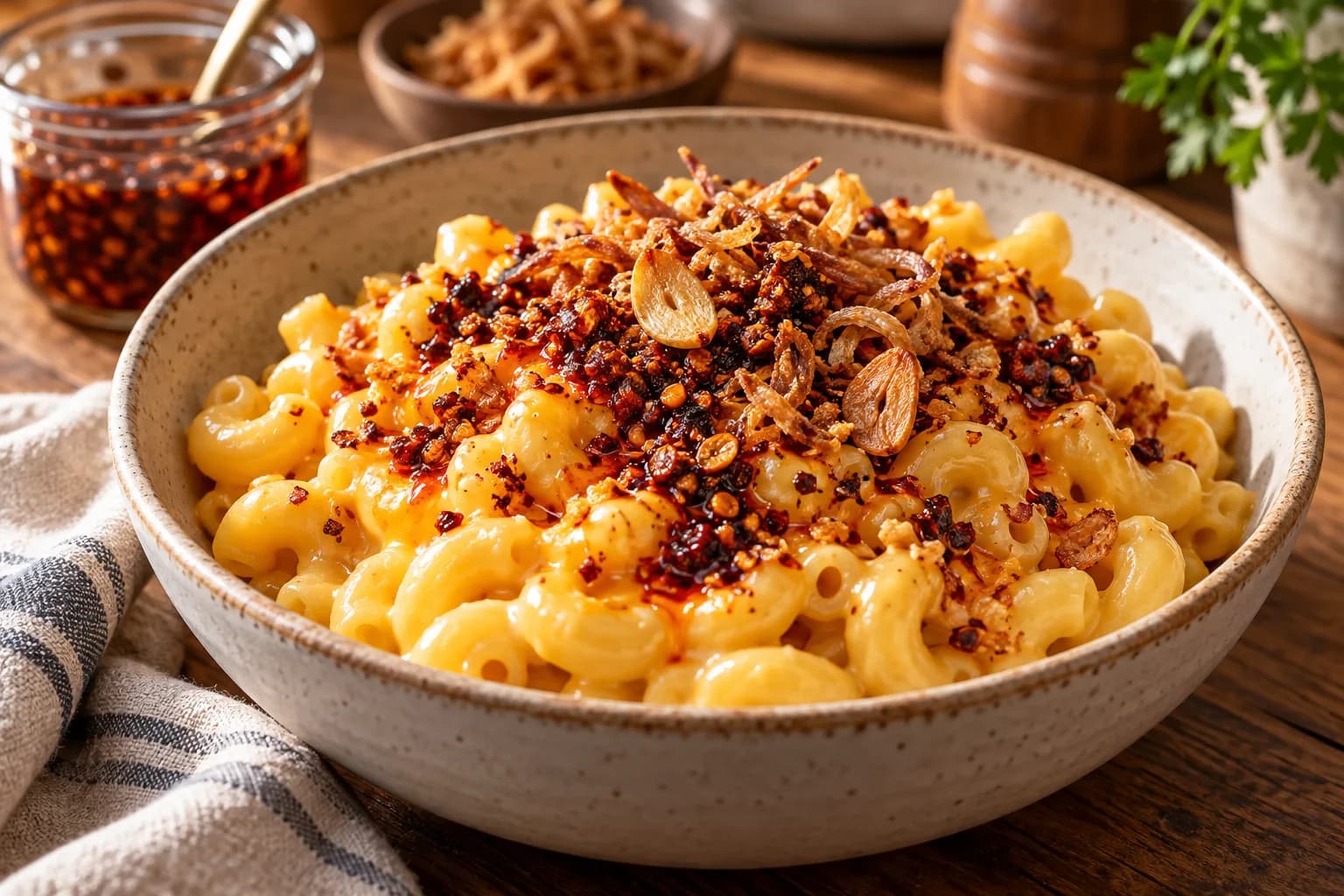
That grassroots kitchen habit caught the eye of food manufacturers. Retailers including The Fresh Grocer have listed a limited-edition Kraft Chili Crisp Mac & Cheese. A listing does not guarantee stock at your local store, and the boxed seasoning is not the same as spooning a crunchy oil condiment over cooked macaroni. Carbone also offers Italian-inspired chili crisp made with olive oil, peppers, garlic, and herbs.
This grocery moment proves that chili crisp is no longer confined to specialty import aisles. American shoppers recognize that savory crunch and gentle chili heat complement creamy cheeses, melted butter, and roasted carbohydrates effortlessly.
Common Jars You’ll Spot in U.S. Grocery Aisles
You do not need to hunt through specialty boutiques to find great chili crisp. Here are several widely distributed styles you are likely to spot:
- Lao Gan Ma (Spicy Chili Crisp): The familiar glass jar with a portrait of Tao Huabi. This Guizhou brand is known for crunchy chili flakes, soybeans, onion, and deep savory flavor; check the label because its different sauces have different ingredients. It remains the gold standard benchmark for everyday value.
- Fly by Jing (Sichuan Chili Crisp): A widely distributed craft brand founded by Jing Gao. Its published ingredient list includes rapeseed and soybean oils, chili peppers, fermented soybeans, mushroom powder, and Sichuan pepper, delivering an aromatic, slightly tingly flavor profile.
- Momofuku Chili Crunch: Crafted by chef David Chang’s culinary group, this blend leans heavily into crispy garlic, shallots, and three types of Mexican chilies, offering a balanced, nutty warmth.
- Trader Joe’s Crunchy Chili Onion: A milder, onion-forward supermarket interpretation packed with dried minced onion and garlic in olive oil, offering gentle warmth for spice novices.
- Carbone Italian Chili Crisp: An Italian-inspired pantry variant using olive oil, peppers, garlic, and herbs, tailored for pasta and roasted meats. Ingredients differ between flavors, so read the specific jar.
How Americans Use Chili Crisp on Comfort Food
If you buy a jar, you do not need to cook an elaborate banquet to enjoy it. What is chili crisp used for in everyday cooking? The beauty of this condiment is its incredible versatility across North American comfort staples:
┌───────────────────────────────────────┬───────────────────────────────────────┐
│        American Comfort Food          │       How Chili Crisp Transforms It   │
├───────────────────────────────────────┼───────────────────────────────────────┤
│ Kraft Mac & Cheese / Cheddar Shells   │ Cuts through heavy cheese with crunch │
│ Sunny-Side Up & Scrambled Eggs        │ Cooks into egg whites for crisp edges │
│ Pepperoni Pizza & Flatbreads          │ Replaces dried red pepper with garlic │
│ Fettuccine Alfredo & Cream Pastas     │ Brightens rich dairy sauces with heat │
│ Smashed Avocado Toast                 │ Adds texture and savory garlic punch  │
│ Vanilla Bean Ice Cream                │ Sweet-spicy, savory-sweet dessert hit │
└───────────────────────────────────────┴───────────────────────────────────────┘
1. Cheesy Pasta and Mac & Cheese
Spoon a generous tablespoon over freshly prepared chili crisp mac and cheese. The toasty fried garlic and savory oil cut directly through the dense, rich cheddar sauce, turning an everyday boxed side dish into a restaurant-worthy bowl.
2. Crispy Fried Eggs
Heat a little cooking oil in your non-stick skillet over medium heat, crack in an egg, and cook until both the white and yolk are firm. Spoon on chili crisp just before serving so the fried garlic adds crunch without scorching.
3. Pizza and Garlic Bread
Instead of sprinkling flat, dry red chili flakes across your pizza slice, drizzle chili crisp over the melted mozzarella. The oil carries flavor into every crevice while the shallots add satisfying crunch.
4. Noodle Bowls and Rice Dishes
Naturally, chili crisp shines on traditional Asian noodle dishes. Spooning it over rich peanut noodles like dan dan noodles or tossing it into steamed jasmine rice alongside what does mapo tofu taste like provides the perfect savory finish.
Heat Level: Is Chili Crisp Spicy?
One of the most common hesitations for first-time buyers is heat tolerance: is chili crisp spicy?
The short answer is that it depends on the jar. Some versions are mild, while others are intensely hot. Chili variety, concentration, and portion size matter; oil and fried aromatics do not remove capsaicin or guarantee a gentle heat level. Read the label and start with a small taste.
Understanding the "Málà" Tingling Sensation
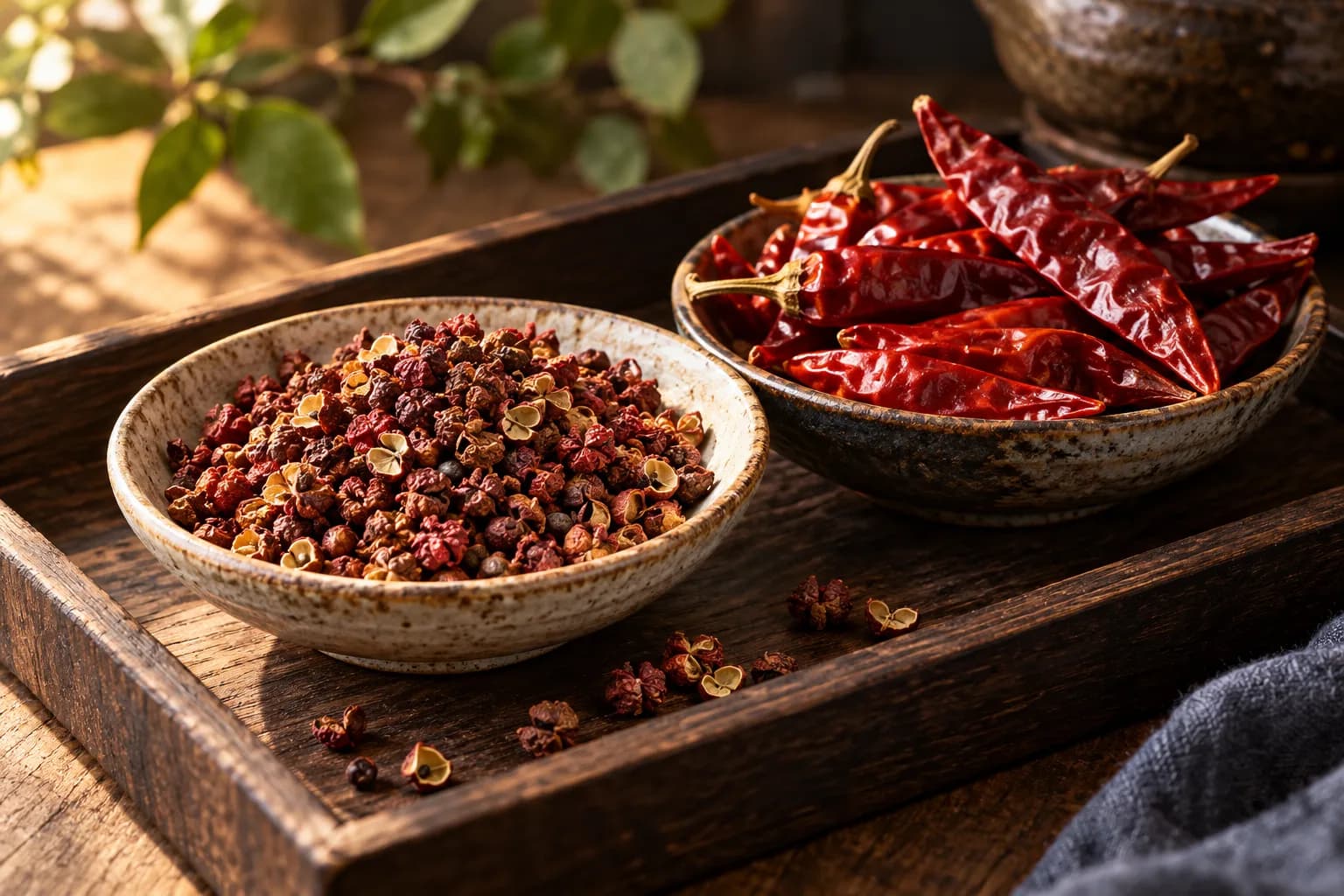
Certain authentic Southwestern brands include ground Sichuan peppercorns . It is crucial to understand that Sichuan pepper is not a true chili pepper; it contains a natural compound called hydroxy-alpha-sanshool, which creates a gentle, vibrating numbness on the lips and tongue known in Mandarin as málà (麻辣, numbing and spicy).
If you are trying to understand the broad spectrum of Chinese regional cooking, exploring the flavor contrasts in kung pao vs szechuan or examining kung pao vs szechuan vs hunan will help you distinguish between dry chili heat, smoky wok heat, and floral Sichuan numbness.
For complete beginners, start with half a teaspoon. Taste it over plain rice or eggs before deciding whether your palate wants a full tablespoon.
Allergens & Label Tips
Before grabbing a jar off the supermarket shelf, always inspect the ingredient panel, especially if you or someone in your family manages dietary restrictions:
- Soy & Gluten: Fermented soybeans (dòuchǐ) contain soy; some soy sauces and other flavorings also contain wheat. Soybeans themselves do not contain gluten. Check the specific ingredient and allergen labels rather than assuming every chili crisp is gluten-free.
- Sesame & Peanuts: Toasted sesame seeds and fried peanuts are common crunchy elements in traditional recipes.
- Shellfish / Animal Products: While many chili crisps are naturally vegan, select regional recipes or artisanal jars may incorporate dried shrimp, bonito, or pork lard for added depth.
- Sodium and Oil Balance: When balancing your weekly meals—similar to evaluating whether is kung pao chicken healthy —keep in mind that chili crisp is an oil-based, sodium-seasoned condiment. A little goes a long way.
- Storage Instructions: Does chili crisp need to be refrigerated? Follow the manufacturer’s storage directions, including any refrigeration requirement after opening. Oil content alone does not establish shelf stability. Refrigerate homemade oils containing fresh garlic, shallots, or other fresh ingredients at 4°C (40°F) or below and use within four days or freeze.
For more details on common allergens found throughout Asian pantries, browse our Kung Pao chicken allergens guide .
Mild vs. Spicy Chinese Food: Where Chili Crisp Fits
Many diners worry that enjoying Asian cuisine requires an iron stomach, asking questions like is kung pao chicken spicy before placing an order.
The wonderful thing about keeping chili crisp in your kitchen is that it gives you complete control over your meal's heat level. You can order or cook a mild, savory main course—such as a version of kung pao chicken prepared with less chili —and use chili crisp on the side to customize each bite.
If you are eager to explore spicy chinese food at your own pace, our beginner-friendly introduction to Sichuan food for beginners and our Chinese food guide offer helpful roadmaps for expanding your culinary comfort zone.
Frequently Asked Questions
What is chili crisp?
Chili crisp is a spoonable Chinese condiment made of infused oil packed with crunchy, savory ingredients like fried garlic, shallots, toasted chili flakes, and fermented soybeans. It provides rich umami texture, with heat ranging from mild to intense depending on the recipe.
What does chili crisp taste like?
It tastes deeply savory, roasty, and garlicky with a gentle, lingering chili warmth. Because it has minimal acidity, it tastes richer and nuttier than traditional vinegar-based hot sauces.
What do you use chili crisp for?
You can spoon chili crisp over fried eggs, mac & cheese, avocado toast, pizza, noodles, roasted vegetables, and rice bowls. It also serves as an outstanding dipping sauce for dumplings.
Is chili crisp very hot?
Heat varies widely by brand and recipe, from mild to very hot. Oil and fried aromatics do not remove capsaicin. Check the jar’s heat description and start with a small taste.
Is chili crisp good in mac and cheese?
Yes. The crunchy garlic and toasted chilies cut through rich, creamy cheddar sauce, balancing dairy richness with texture and gentle heat.
What is the difference between chili crisp and chili crunch?
The names overlap in everyday cooking, and brands use them for similar crunchy, oil-based condiments. Momofuku uses the name Chili Crunch, but the name alone does not establish a distinct recipe. Compare ingredients, allergens, and heat levels.
What can I substitute for chili crisp?
If you are out of chili crisp, you can combine regular chili oil with homemade crispy fried garlic and a pinch of toasted sesame seeds to mimic the crunchy, garlicky mouthfeel.
Does Trader Joe's still sell chili crisp?
Trader Joe's lists a product called "Crunchy Chili Onion," often referred to as Chili Onion Crunch. Availability can vary by store and season, so check with your local store.
The Takeaway: Wake Up Your Grocery Cart
The sudden popularity of what is chili crisp across American grocery aisles is no accident. In an era where home cooks want fast, bold flavor without spending hours over a stove, a spoonful of crunchy, savory chili oil solves the weeknight dinner puzzle.
Whether you are stirring it into hot noodles, dressing a late-night slice of pizza, or testing out the latest boxed chili crisp mac and cheese, this versatile condiment earns a permanent home in your refrigerator door.
Looking to explore more flavor combinations? Compare takeout favorites like kung pao vs general tso or kung pao chicken vs orange chicken to discover how sweet, tangy, and spicy sauces create dining magic!