Culture & seasonal dining
Year of the Goat 2027 Is Coming Early—What the Chinese Zodiac Means for Your Dumpling Dinner
If you follow international fashion, global retail calendars, or social media countdowns, you may have already seen early previews highlighting the Year of the Goat 2027. While the Western new year always rings in punctually on January 1, the lunisolar calendar dances to its own seasonal rhythm. For 2027, Lunar New Year arrives earlier than in 2026: Saturday, February 6, 2027—nearly two weeks earlier than the 2026 holiday.
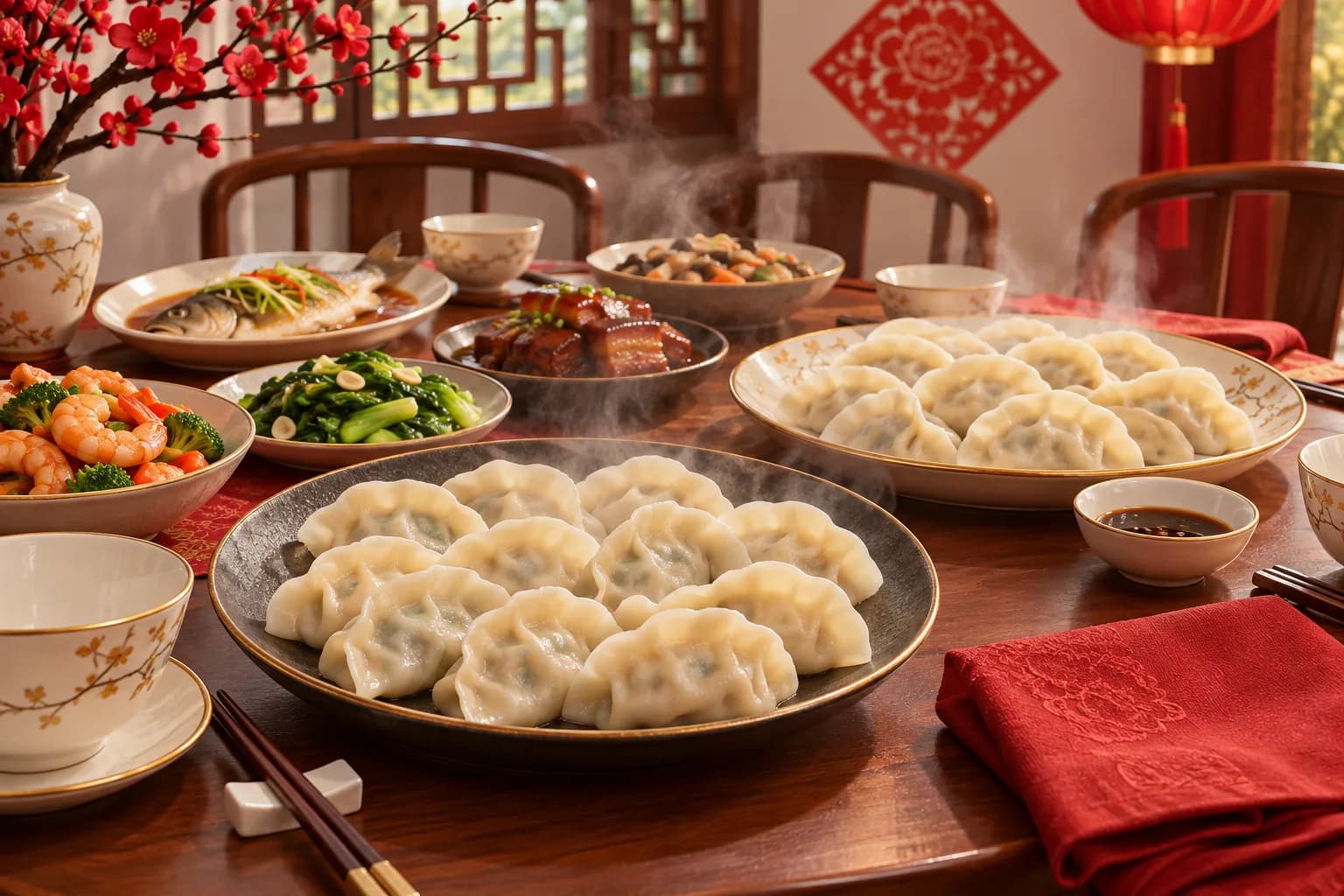
For millions of households around the globe, welcoming a new animal sign is about far more than checking a horoscope. The true heart of the celebration unfolds around the dining table, specifically through folding, boiling, and sharing platters of jiaozi (jiǎozi, 饺子, Chinese dumplings).
Whether you want to understand why your calendar is shifting, clear up the confusing "Goat vs. Sheep vs. Ram" debate, or host a casual, stress-free dumpling night with your friends or roommates in January or February 2027, here is your essential beginner's guide to the upcoming transition.
When Is Lunar New Year 2027—and Why “Early” Matters
In the Gregorian calendar used across North America, dates stay fixed. But the traditional Chinese calendar tracks both the moon's phases and the sun's solar terms. Because twelve lunar months equal approximately 354 days—roughly 11 days shorter than a solar year—the date of the Spring Festival (chūnjié, 春节, Chinese New Year) shifts between late January and February, with leap months periodically keeping the calendar aligned with the seasons.
┌────────────────────────────────────────────────────────────────────────┐
│                   KEY DATES FOR THE 2027 TRANSITION                    │
├────────────────────────────────────────────────────────────────────────┤
│ • Chinese New Year's Eve:       Friday, February 5, 2027               │
│ • Lunar New Year (Day 1):       Saturday, February 6, 2027             │
│ • Lantern Festival (Yuanxiao):  Saturday, February 20, 2027            │
│                                                                        │
│ Calendar Context: In 2026, the holiday fell on February 17.           │
│ That means the 2027 celebration arrives exactly 11 days earlier!       │
└────────────────────────────────────────────────────────────────────────┘
Why does this matter for North American home cooks? If you typically wait until mid-February to plan a celebration, lunar new year 2027 will catch you off guard. Store hours, stock, and ordering deadlines vary, so check with the markets you plan to use rather than assuming a fixed restocking date. If you want to order fresh ingredients or gather specialty pantry condiments, moving your preparations up to January is the secret to a relaxed holiday.
Chinese Zodiac 101 for Beginners
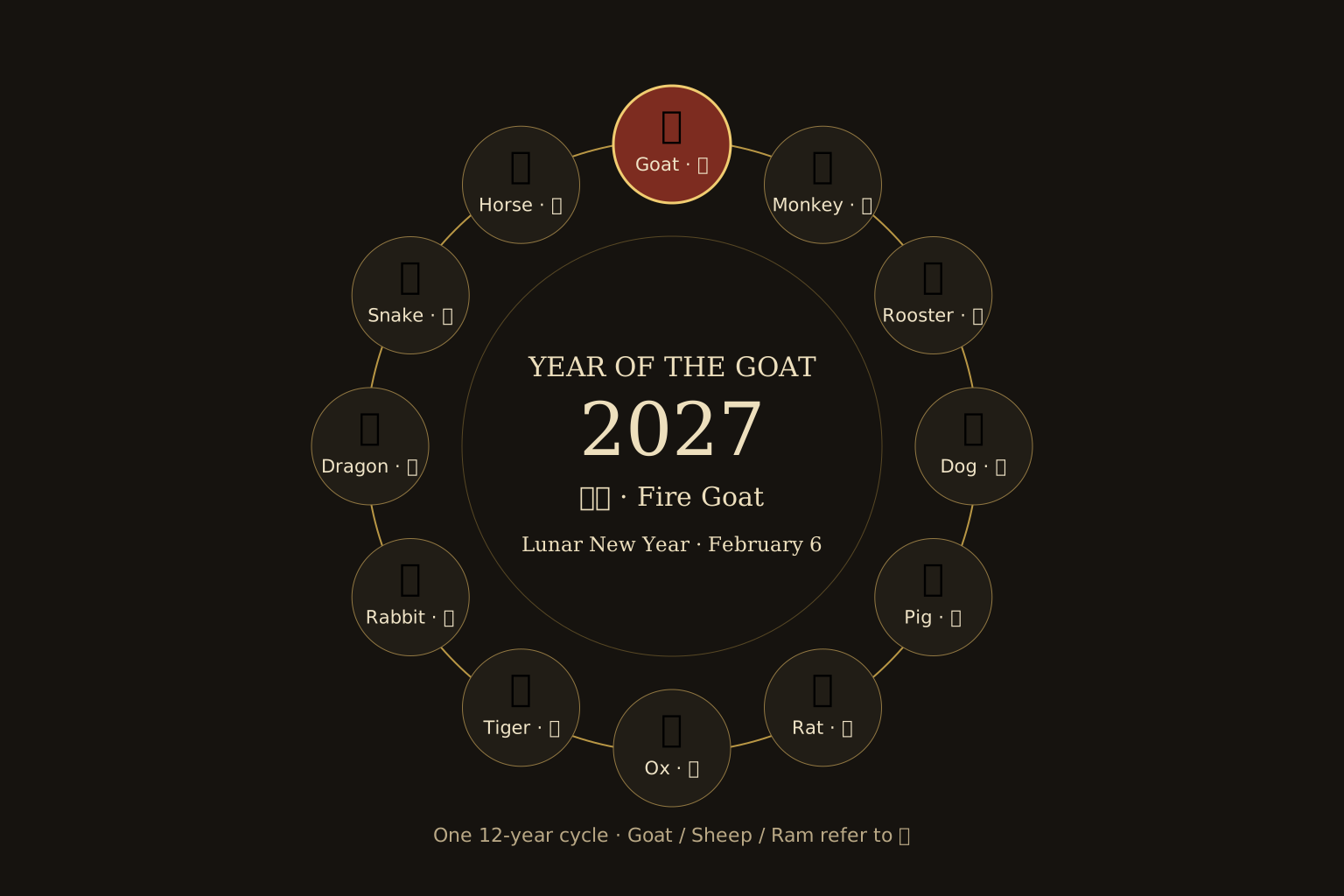
The chinese zodiac (shēngxiào, 生肖) is a rotating twelve-year cycle where each year is represented by a specific animal: Rat, Ox, Tiger, Rabbit, Dragon, Snake, Horse, Goat, Monkey, Rooster, Dog, and Pig.
Unlike Western astrology, which shifts signs month by month based on constellations along the ecliptic, your Chinese zodiac sign is determined primarily by your birth year. However, there is one common trap that trips up North American beginners every single year: the sign does not change on January 1.
Using the common Lunar-New-Year convention, anyone born between January 1, 2027, and February 5, 2027, belongs to the preceding Year of the Horse. The Year of the Goat starts on February 6, 2027 under that convention. Some astrological traditions instead use Lìchūn (立春, Spring Commences), a separate solar-term boundary; this food guide uses Lunar New Year.
Goat, Sheep, or Ram?
If you browse holiday cards or restaurant flyers, you will inevitably see the exact same animal sign translated as the year of the sheep, the Year of the Ram, or the Year of the Goat.
This is purely an English language translation dilemma. In written Chinese, the sign is represented by the single character yáng (羊). In standard Chinese taxonomy, yáng is a generic umbrella term that encompasses all caprine and ovine creatures:
- Shānyáng (山羊) = Goat
- Miányáng (绵羊) = Woolly sheep
- Gōngyáng (公羊) = A male sheep or goat; a ram when referring to sheep
All three English words represent the identical Chinese astrological sign. In folklore and visual art, both goats and sheep appear; the English name does not imply a different zodiac year. In the traditional Heavenly Stems and Earthly Branches (tiāngān dìzhī) system, 2027 is specifically designated as the Fire Goat (dīngwèi, 丁未).
What the Year of the Goat 2027 Traditionally Symbolizes
In historical folklore, each zodiac animal carries an assortment of cultural metaphors. It is important to emphasize that within modern culture, these associations function as beloved folk traditions and cultural storytelling rather than predictive science:
- Gentleness and Harmony: The goat is celebrated in Chinese pastoral tradition as a peaceful, cooperative herd animal. Years under this sign are traditionally associated with patience, diplomacy, and mending interpersonal conflicts.
- Creativity and Artistry: People born in goat years are often affectionately viewed in folk culture as possessing a natural appreciation for music, culinary arts, literature, and visual design.
- Family Closeness: Because sheep and goats travel closely together, folklore emphasizes domestic warmth, nurturing home spaces, and cherishing close family ties.
What Does the Zodiac Have to Do With Your Dinner Table?
You might wonder how an astrological calendar connects to a plate of savory dumplings. In Chinese culture, food is never just sustenance; it is a shared language of wordplay, visual symbolism, and reunion.
On Chinese New Year's Eve (chúxī, 除夕), extended families gather for the most important meal of the entire year: the reunion dinner (niányèfàn, 年夜饭). For many families in Northern China, a centerpiece of that dinner is a steaming platter of freshly folded chinese new year dumplings. Customs vary by region and household.
┌────────────────────────────────────────────────────────────────────────┐
│                     THE SYMBOLISM OF THE DUMPLING                      │
├────────────────────────────────────────────────────────────────────────┤
│ 1. The Shape: Pleated dough crescents mimic ancient Chinese gold and   │
│    silver ingots (yuánbǎo), symbolizing prosperity for the new year.   │
│                                                                        │
│ 2. The Sound: The name "jiǎozi" is linked by near-sound wordplay to       │
│    "jiāo zǐ" (交子)—a cultural association with the transition between the old     │
│    year and the new year.                                              │
│                                                                        │
│ 3. The Action: Folding dumplings requires multiple hands, turning      │
│    dinner preparation into a multi-generational social bonding ritual. │
└────────────────────────────────────────────────────────────────────────┘
The culinary custom traces back centuries. Legend holds that eating dumplings at the stroke of midnight sweeps away the troubles of the past year and welcomes incoming blessings.
Understanding the Dumpling Family: Dim Sum, Potstickers, and Jiaozi
If you are planning your holiday meal at a local supermarket, the labels can quickly become confusing. Are the dumplings served at New Year's the same items you order on a dim sum cart or buy frozen as potstickers?
| Style | Chinese Name | Typical Preparation | Wrapper & Texture | New Year Role |
|---|---|---|---|---|
| Traditional Jiaozi | Jiǎozi (饺子) | Simmered in water (shuǐjiǎo) or gently steamed | Medium wheat dough, tender, comforting chew | The undisputed northern New Year classic |
| Potstickers | Guōtiē (锅贴) | Pan-fried bottom, water-steamed, crisp finish | Hearty wheat wrapper, golden crunchy base | Popular party appetizer and casual meal side |
| Gyoza | Gyoza (ギョーザ) | Pan-fried with thin skin, garlic-forward filling | Delicate, paper-thin Japanese-style skin | Quick weeknight alternative, kid-friendly |
| Cantonese Dim Sum | Diǎnxīn (点心) | Small dishes served steamed, fried, or baked | Varies: dumplings, buns, rice rolls, and cakes | Southern tea-centered meal, not one dumpling type |
It is worth noting that classic New Year dumplings are distinct from southern tea house delicacies. We break down those regional wrapper and filling differences in our dedicated guide to dim sum vs dumplings . Similarly, do not confuse Chinese boiled dumplings with American Southern comfort recipes; our overview of chicken and dumplings vs Chinese dumplings untangles that common Western naming crossover.
How to Host a Stress-Free Dumpling Night
You do not need Chinese ancestry or years of kitchen training to host a memorable dumpling night this winter. Gathering roommates, partners, or kids to fold dumplings is one of the most interactive, low-stress dinners you can stage.
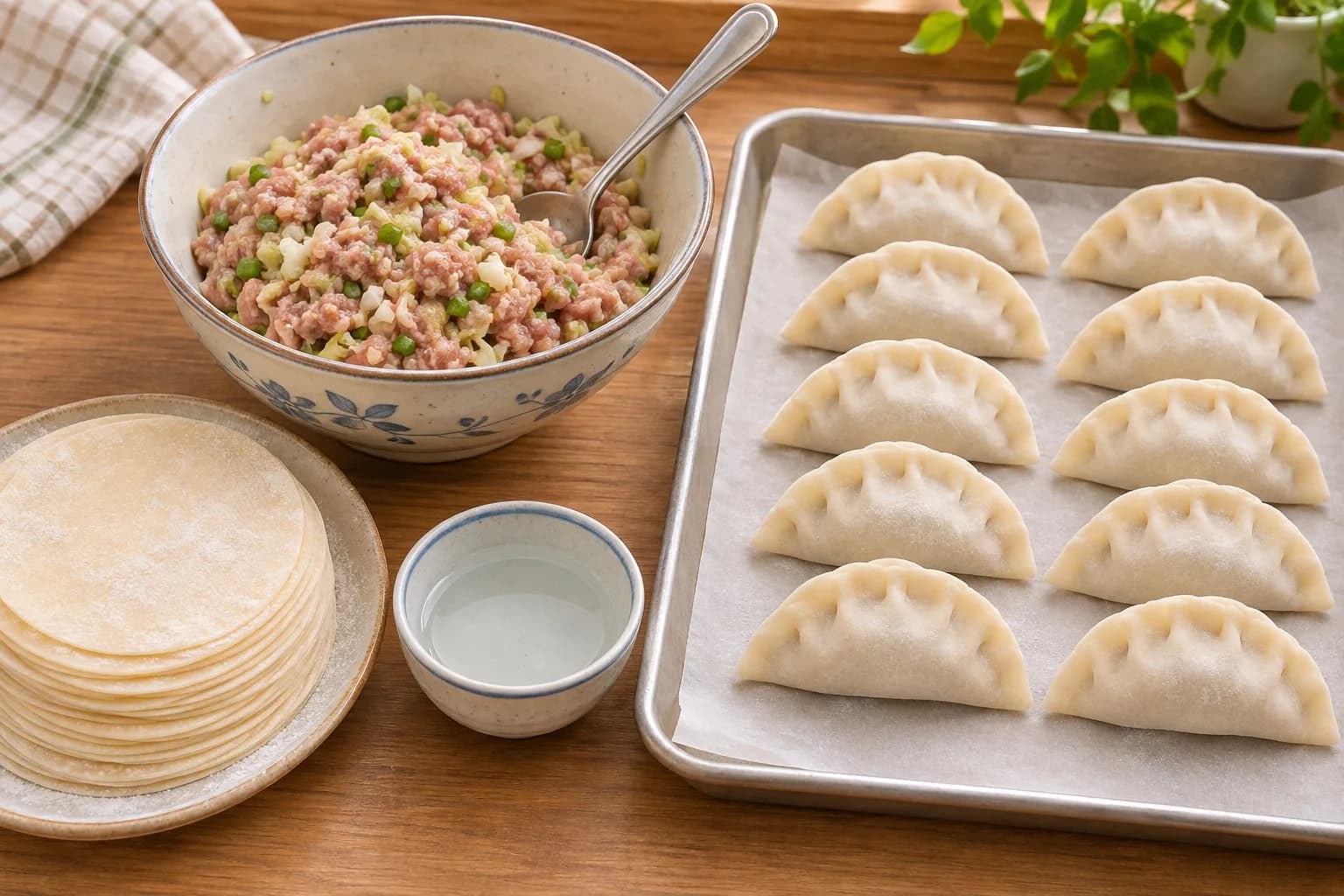
1. Choose Your Assembly Route
- The Scratch Route: Purchase pre-made circular dumpling wrappers from an Asian market or the refrigerated produce section of your local supermarket. Prepare a classic filling by mixing ground pork or chicken with finely minced Napa cabbage, scallions, fresh ginger, soy sauce, and a splash of toasted sesame oil. Keep raw filling refrigerated while working in small batches, and wash hands and utensils after handling it. Cook dumplings until a food thermometer in the center of the largest piece reads 71°C (160°F) for ground pork or 74°C (165°F) for chicken. Follow frozen-product package directions, including any higher required temperature.
- The Freezer Shortcut: If rolling and pinching dumplings on a busy weeknight feels intimidating, there is zero shame in buying high-quality frozen dumplings. Look for bags labeled as pork and cabbage, chicken and mushroom, or mixed vegetable dumplings.
2. Build the Ultimate Dipping Station
A proper dumpling dinner lives or dies by its dipping sauce. Set out small ramekins so everyone can craft their own custom blend:
- The Traditional Northern Dip: Three parts Chinkiang black rice vinegar to one part light soy sauce, garnished with paper-thin slivers of fresh ginger.
- The Fiery Dip: For fans of spicy chinese food , swirl a generous spoonful of chili crisp or roasted chili oil into your vinegar. If you are unsure which jar to buy, explore our chili crisp vs chili oil guide for flavor profiles.
3. Balance the Spread with Familiar Mains
While a mountain of dumplings can easily serve as the main event, rounding out the table with classic Chinese-American favorites makes the evening feel like a true banquet.
If you are cooking or ordering takeout, pairing savory boiled dumplings with spicy stir-fries creates fantastic counterpoint. Consider the roasted peanut crunch of classic kung pao chicken , or debate menu options like kung pao vs general tso and kung pao chicken vs orange chicken . If your crowd craves bold heat, explore the distinctions in kung pao vs szechuan or introduce them to rich noodle bowls like dan dan noodles and vibrant tofu dishes by discovering what does mapo tofu taste like .
4. Health, Allergens, and Food Safety
- Nutrition Awareness: Nutrition depends on the filling, wrapper, portion size, and dipping sauce. If you are evaluating your overall intake—similar to asking is kung pao chicken healthy —boiling generally uses less added oil than deep-frying, but does not automatically make the meal low in sodium or saturated fat.
- Allergens: Standard dumpling wrappers contain wheat flour (gluten). Common filling ingredients and dipping sauces also contain soy and sesame. Always check retail packaging for shellfish or peanut cross-contamination.
- The "Lucky Coin" Safety Warning: An old northern Chinese folk custom involves hiding a sanitized coin inside a single dumpling; whoever bites into it is promised extra financial prosperity. Do not do this at home. Placing a hard metal coin or ceramic charm inside food presents a severe choking hazard and dental risk, especially for young children. Do not replace the coin with a hidden nut or another unexpected hard filling, which can also introduce choking or allergy risks. For a playful surprise, mark a lucky place card or give a small paper decoration outside the food instead.
Other Auspicious Foods on a Lunar New Year Table
While dumplings reign supreme in the north, southern Chinese communities and Southeast Asian diasporas celebrate with their own symbolic feasts:
- Whole Fish (Yú, 鱼): Served whole from head to tail to symbolize a fruitful year from beginning to end. Because the word for fish sounds identical to "surplus" (yú, 余), leaving a little fish on the plate represents wealth overflowing into the future.
- Spring Rolls (Chūnjuǎn, 春卷): Fried to a glistening golden yellow, these savory rolls visually mimic golden bullion bars. For a breakdown of how these contrast with thicker takeout appetizers, read our egg roll vs spring roll comparison.
- Sticky Rice Cake (Niángāo, 年糕): A sweet or savory glutinous rice cake associated with rising fortunes through the wordplay between gāo (糕, cake) and gāo (高, high), expressing hopes for career and personal growth.
- Sweet Rice Balls (Tāngyuán, 汤圆): Chewy rice dumplings filled with sweet black sesame paste and simmered in hot sweet broth, eaten during the closing Lantern Festival on February 20, 2027, to symbolize family togetherness.
- Reunion Hot Pot: Many modern families skip individual stir-fries altogether and gather around a bubbling communal broth pot. To see how different regional broths compare, inspect our guide on Chinese hot pot vs Korean hot pot .
Handling Leftovers
If your dumpling party leaves you with extra boiled jiaozi, refrigerate them in shallow, covered containers at 4°C (40°F) or below within two hours, or within one hour above 32°C (90°F). Eat them within three days, and discard portions left out beyond those limits.
To reheat them without turning the dough rubbery, heat a teaspoon of oil in a non-stick skillet over medium heat, place the chilled dumplings flat-side down, add two tablespoons of water, cover and heat until the center reaches 74°C (165°F), then uncover until the bottom turns into a crisp potsticker crust. For additional food safety practices on banquet storage, consult our leftovers and storage guide .
Frequently Asked Questions
When is Chinese New Year / Lunar New Year 2027?
Lunar New Year 2027 begins on Saturday, February 6, 2027. Chinese New Year's Eve falls on Friday, February 5, 2027, and the celebrations conclude with the Lantern Festival on Saturday, February 20, 2027.
What is the Chinese zodiac animal for 2027? Goat, sheep, or ram?
The zodiac animal for 2027 is the Goat (also referred to as the Sheep or Ram). In written Chinese, all three animals are represented by the single character yáng (羊), making each English translation culturally valid.
When does the Year of the Goat 2027 officially start?
Using the common Lunar-New-Year convention, the Year of the Goat begins on February 6, 2027. People born between January 1 and February 5, 2027 are assigned the preceding Horse year under that convention. Some astrological traditions use Lìchūn instead, so birth-year interpretations should state which boundary they use.
Why do people eat dumplings on Chinese New Year?
Dumplings are folded into crescent shapes that resemble ancient Chinese gold and silver ingots (yuánbǎo), symbolizing wealth and good fortune. The name jiǎozi is also linked through near-sound wordplay with the transition between the old year and the new year; the Mandarin tones are not identical.
Are Chinese New Year dumplings the same as potstickers or gyoza?
They belong to the same culinary family. Classic New Year jiaozi are typically boiled or steamed wheat dumplings with tender skins. Potstickers are pan-fried Chinese dumplings with a crispy crust, while gyoza is the Japanese adaptation featuring thinner wrappers and a distinct garlic flavor.
Do I need to be of Chinese heritage to celebrate with dumplings?
Not at all! Food and cultural holidays are universal ways to build community. Hosting a casual dumpling night is an enjoyable, welcoming way to gather friends, explore new cooking techniques, and celebrate the arrival of spring.
The Takeaway: Mark Your Calendar Early
The arrival of the Year of the Goat 2027 on February 6 offers a wonderful reminder that a new year brings a fresh opportunity to connect with the people you love.
By understanding the lunar calendar and stocking your pantry a couple of weeks ahead of schedule, you can bypass the last-minute grocery rush, master the art of folding traditional jiaozi, and welcome the coming season with warmth, comfort, and good food.
To discover more fascinating cultural pairings and explore authentic culinary traditions, dive into our Chinese food guide today!
Sources
- Hong Kong Observatory: 2027 Gregorian–Lunar conversion table
- Hong Kong Observatory: 2026 Gregorian–Lunar conversion table
- Hong Kong Observatory: year boundaries and Spring Commences
- Victoria and Albert Museum: the lunar zodiac
- Bank of England Museum: Lunar New Year and dumpling symbolism
- USDA: safe internal temperatures for meat and poultry
- CDC: preventing food poisoning and storing leftovers