Vegetables & sides
Snow Peas vs Sugar Snap Peas: Which Works in Your Stir-Fry?
For snow peas vs sugar snap peas, look at the pod. Snow peas are flat, with small peas barely developed inside. Sugar snap peas have rounder, fuller pods and a sweeter, crunchy bite. Both have edible pods and can work in a stir-fry, but a swap changes the shape and texture of the dish. Choose snow peas when your recipe wants thin, flat pods; choose sugar snaps when you want a fuller bite. Follow the method written for the vegetable you buy.
The names can be confusing at the market, especially when a sign just says pea pods. You do not need a complicated rule to start. Look at the thickness of the pod, then read the recipe to see whether it expects whole pods or shelled peas.
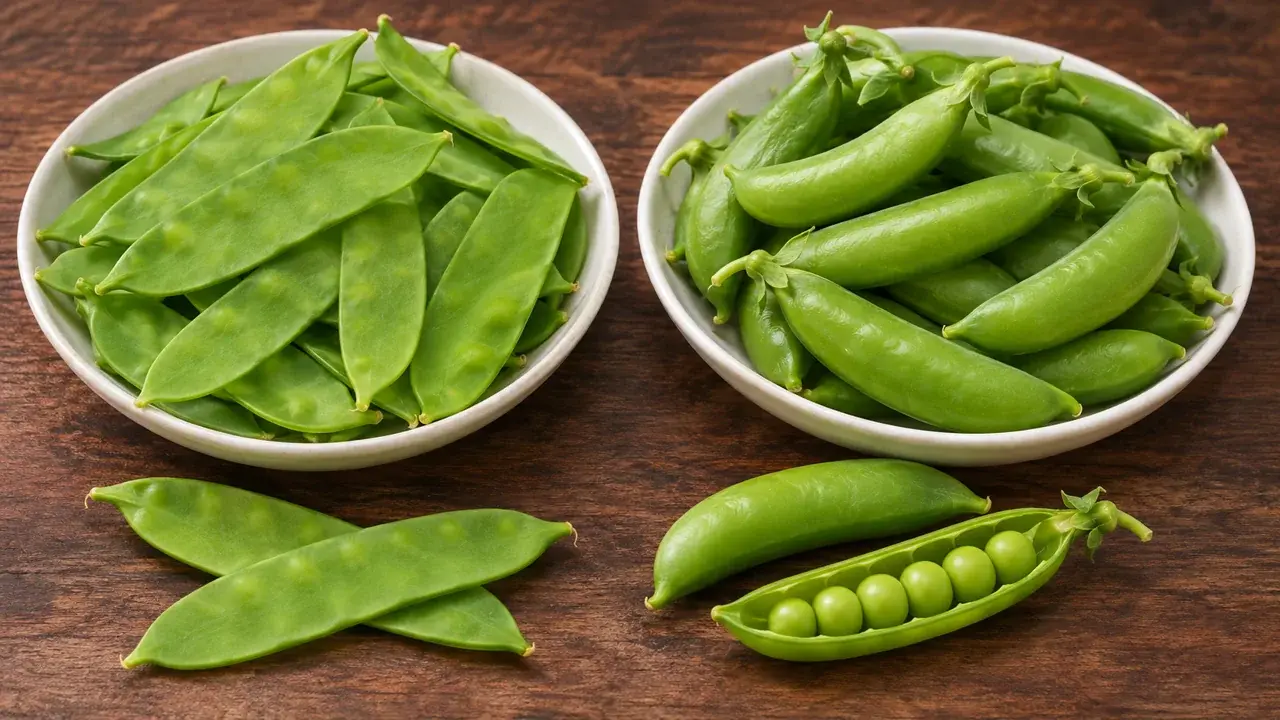
At a glance: flat pods or a fuller bite?
| What to compare | Snow peas | Sugar snap peas |
|---|---|---|
| Pod shape | Thin and flat | Fuller and more rounded |
| Peas inside | Small and not fully developed | More developed peas inside the edible pod |
| Eating texture | A thinner pod bite | A plumper, crunchy bite |
| Flavor description | Mild | Usually sweeter |
| Preparation check | Check for tough strings along the edges | Check for strings; stringless varieties also exist |
| Stir-fry decision | Keeps the flat-pod shape a snow-pea recipe expects | A usable adaptation with a different bite |
How to recognize snow peas
The University of Arkansas Cooperative Extension describes snow peas as flat pods harvested before the peas inside have fully developed. The whole pod is edible. That is the useful visual distinction: a broad green pod with small bumps, rather than a row of large peas swelling the pod outward.
In The Woks of Life’s vegetable glossary, snow peas are hé lán dòu (荷兰豆). The glossary documents their use in stir-fries and links to a chicken with snow peas recipe. This gives you a concrete ingredient name to recognize without suggesting that every Chinese vegetable dish uses the same pea.
A plate with thin green pods may be easier to recognize than a translated menu name. Still, a picture does not tell you the full preparation. Ask what vegetables and sauces the restaurant uses if you are choosing for a specific texture or dietary requirement.
How sugar snap peas differ
Sugar snap peas, often shortened to snap peas, have rounder pods. The Arkansas Extension guide describes the whole pod as edible, crunchy and sweet. You eat the pod with its peas, rather than treating it like a shell that must be discarded.
That fuller shape matters in the finished dish. A snap pea gives you a different mouthful from a thin snow pea. It can be a good vegetable choice in its own right, but buying it for a snow-pea recipe is a texture change you should expect, rather than an invisible substitution.
Do not assume that a plump pod automatically means it needs shelling. Sugar snaps and garden peas can both look rounded, but their usual preparation differs. Read the produce sign or package and check which kind you have before removing all the peas.
Garden peas are a separate shopping question
The same Extension guide distinguishes garden peas, also called English peas, from these edible-pod peas. Garden peas are shelled, and their pods are discarded. The familiar loose peas in a freezer bag are not the same ingredient form as a bag of whole snow pea pods.
This is worth checking before cooking. A recipe asking for snow peas may be relying on their whole-pod shape as well as their flavor. Loose shelled peas change that appearance and texture more than switching between two edible-pod varieties does.
Use the full product name, not the word sweet alone. Garden peas may be called sweet peas, while sugar snap peas are also sweet-tasting. The name and the pod structure together give you a better answer than one adjective on a shelf sign.
Check the strings before cooking
Both snow peas and sugar snaps can have tough strings along the pod seams. Arkansas Extension notes that stringless sugar snap varieties also exist. Check the produce you actually bought instead of assuming that every pod will need exactly the same amount of trimming.
Follow your recipe’s trimming directions and remove tough strings when present. That preparation choice is separate from choosing between snow peas and snaps. A stringless label does not turn a round snap pod into the flat snow pea your recipe describes.
Wash produce before preparing it. The FDA recommends rinsing produce under running water and advises against using soap or detergent. Use a clean preparation area and the recipe’s method; this comparison does not provide storage durations or a preservation process.
Can sugar snaps replace snow peas in a stir-fry?
They can be a reasonable adaptation when the dish allows a different vegetable bite. The Extension guide lists stir-frying among the uses for both types. What you should not expect is an identical result: the thicker, fuller pod will feel different beside the other ingredients.
If you want to reproduce a particular snow-pea dish closely, use snow peas. The Woks of Life’s chicken with snow peas is a useful example of a recipe built around that vegetable. Its method is a better starting point than applying one universal cooking time to every bag of green pods.
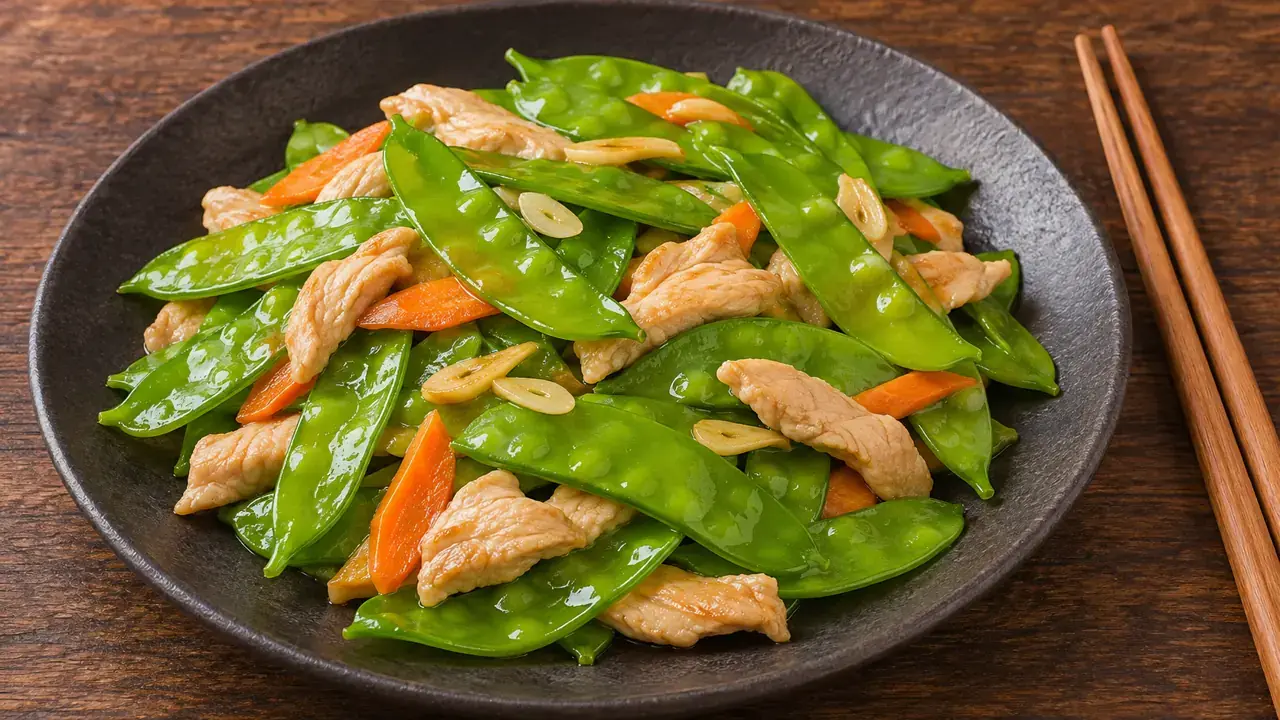
For a flexible meal, choose the texture you want and use directions appropriate to that ingredient. Keep the vegetable identifiable as you cook. Arkansas Extension cautions that overcooking makes these peas limp and takes away their crispness; longer cooking is not automatically an improvement.
Also consider the ingredients around the peas. Thin pods, plump pods, leafy greens and crisp vegetable pieces each contribute a different shape. Gai lan vs bok choy covers the separate leafy-stem decision, while water chestnuts vs chestnuts explains another commonly confused crunchy ingredient.
Keep vegetable choice and sauce choice separate
A sauce can change how strongly you notice a vegetable’s own flavor, but it does not erase its structure. Swapping a snow pea for a sugar snap is still a change in the bite. Adding more sauce will not make the two pod shapes identical.
If you are choosing bottles for the same meal, light vs dark soy sauce explains seasoning and coloring roles. Toasted sesame oil vs sesame oil covers the aromatic oil question. Choose those ingredients from the recipe rather than compensating for a vegetable swap with an unplanned amount of seasoning.
A vegetable dish also needs a whole-dish check. Stock, sauces, meat and cross-contact may matter to your requirements. Snow peas or sugar snaps in the ingredient list do not establish that the finished restaurant dish is vegetarian, gluten-free or suitable for an allergy.
A practical shopping checklist
- Match the full name: snow peas, sugar snap peas or garden peas.
- Check the shape: flat and thin, or fuller and rounded.
- Keep the ingredient form straight: whole edible pods and loose shelled peas do different jobs.
- Check the package and recipe for trimming and preparation instructions.
- Choose a substitution because its texture suits your meal, rather than assuming all green peas are interchangeable.
If the recipe only says pea pods, look for an ingredient note or ask the author which type they intended. A short clarification can save you from preparing a different vegetable form than the method expects. At a restaurant, ask about the actual preparation rather than relying on a broad menu heading.
The Chinese food guide connects the related vegetable and pantry decisions. For this purchase, pod shape is your starting point, the label confirms the ingredient, and the recipe tells you how that choice fits into dinner.
Frequently asked questions
Are snow peas and sugar snap peas the same?
No. Snow peas have thin, flat pods with small peas inside. Sugar snaps have fuller, rounder edible pods and a sweeter, crunchy bite. Both can be used in a stir-fry, with a different texture.
Can you eat the pods of both types?
Yes. The cited Extension guide describes both snow pea and sugar snap pods as edible. Garden peas are different: they are shelled and their pods are discarded.
Can I substitute sugar snap peas for snow peas?
In a flexible stir-fry, yes, if you expect the fuller pod and different bite. Use snow peas for a close match to a recipe written around flat pods, or follow directions suited to the substitute.
Do both kinds need their strings removed?
Both may have tough strings along the seams, but stringless snap varieties exist. Check the produce and follow the recipe’s preparation instructions rather than assuming every pod is identical.
Are frozen loose peas a replacement for snow pea pods?
They are a different ingredient form. Loose peas do not supply the whole flat pod a snow-pea dish may expect. Use a recipe that allows that change instead of treating the bags as equivalent.
What are snow peas called in Chinese?
The cited Woks of Life glossary calls snow peas hé lán dòu (荷兰豆). A menu name still does not reveal all of a dish’s sauces or other ingredients.