Pantry & condiments
Toasted Sesame Oil vs Sesame Oil: Read the Label Before You Swap
For toasted sesame oil vs sesame oil, start with the label: sesame oil is the broader name, and it can refer to toasted or untoasted oil. Toasted sesame oil brings a pronounced nutty aroma and is often used to season Chinese dishes. Untoasted sesame oil is milder and can serve a different cooking role. When a recipe simply says sesame oil, check its ingredient notes. The Woks of Life means toasted oil in its recipes; another author or product may use the name differently.
The useful distinction is what the oil is supposed to do. Is it supplying the recognizable roasted sesame flavor in a dressing or marinade, or is it the oil used to cook the food? Answer that before buying a bottle that happens to have sesame seeds on the front.
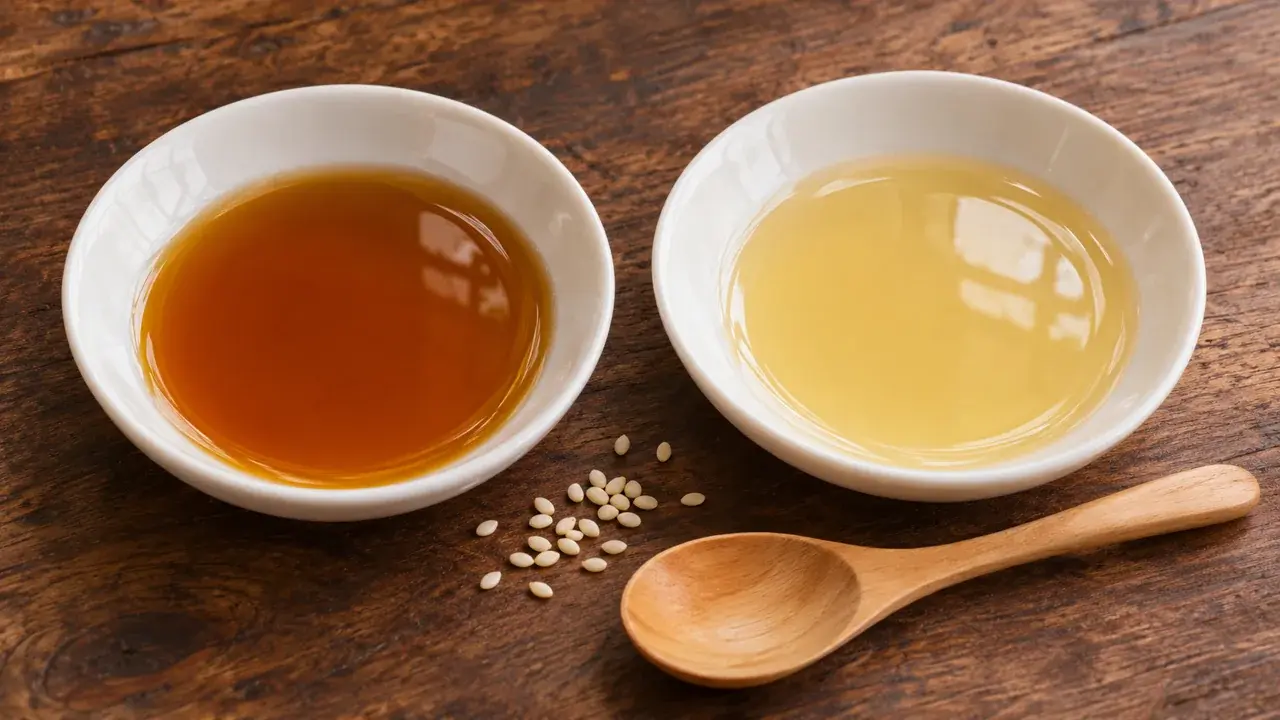
At a glance: identify the oil, then its job
| What to compare | Toasted sesame oil | Untoasted sesame oil |
|---|---|---|
| Seed treatment | Oil made from toasted sesame seeds | The non-toasted form of sesame oil |
| Flavor in the cited ingredient guide | Strong, nutty sesame aroma | Milder flavor |
| Typical color clue | Amber to darker brown; lighter toasted oils also exist | Usually light-colored |
| Common role described in the guide | Seasoning, marinades, dressings and sauces | Cooking and sautéing |
| Heat decision | Check the recipe and specific product directions | Check the recipe and specific product directions |
| What a swap changes | Adds a more pronounced toasted flavor | Does not recreate the same toasted aroma |
What does toasting change?
Sesame oil, zhīma yóu (芝麻油), comes from sesame seeds. The Woks of Life’s ingredient guide distinguishes toasted and non-toasted varieties and describes the toasted kind as strongly flavored and nutty. That aroma is a reason a recipe may ask for a small seasoning addition rather than use it as the main cooking oil.
The untoasted kind is milder. A lighter flavor may be useful in a preparation designed for it, but it will not deliver the same roasted sesame character when a dish is built around toasted oil. The decision is about the flavor the recipe expects, rather than declaring one bottle better for every meal.
Toasting is not identical across products. The ingredient guide notes that lightly roasted seeds can produce a lighter-colored, milder toasted oil. La Tourangelle likewise describes its own toasted sesame oil as made from lightly toasted seeds and golden-brown in color. Those examples are a good reason to read beyond a quick dark-versus-pale rule.
Our comparison image illustrates a possible color difference. It is not a test of particular brands, and color alone cannot identify every bottle. The product name, ingredient information and maker’s description are more useful shopping evidence than trying to match a liquid to a photograph.
Does a bottle labeled just sesame oil mean toasted?
Sometimes. The Woks of Life explicitly says that when its recipes call for sesame oil, it means the toasted variety. That helps when you cook from that source. It does not establish a universal labeling rule for every recipe writer or every oil sold in a North American supermarket.
Look for toasted or roasted in the product description when you want the nutty seasoning oil. If the front label is brief, read the rest of the container or the manufacturer’s product information. A recipe may also link to an ingredient glossary that clears up its shorthand.
The word pure answers another question. The cited glossary describes a pure sesame oil as not blended with another oil. It does not use pure to mean untoasted. Read purity or blend information separately from the roasting description; a bottle can be a pure sesame oil and still be toasted.
If the recipe is especially dependent on sesame aroma, settle that uncertainty before changing the rest of the sauce. Adding more soy sauce, vinegar or chile will change those ingredients’ contributions. It will not turn a mild oil into a toasted one.
Use the recipe’s cooking sequence
The Woks of Life treats toasted sesame oil mainly as a seasoning. Its guide describes late additions during cooking as well as uses in marinades, dressings and sauces. It also warns that the toasted flavor can become burnt in a hot wok. That explains why the oil may appear near the end of a stir-fry method rather than at the start.
For that style of recipe, keep the cooking oil and the aromatic addition in their intended roles. Read the method as well as the ingredient list. An oil named in the final seasoning step is not automatically the oil the author wants you to use for the whole cooking process.
There is useful nuance here: toasted does not mean a product can never be heated. La Tourangelle labels its particular toasted sesame oil for medium cooking and lists sautéing among its uses, alongside marinades and dressings. That is guidance for that product, not permission to use every toasted oil in the hottest part of every wok recipe.
Use both sources of instructions: the recipe tells you the intended flavor and sequence, while the bottle tells you how that particular product is meant to be used. A single smoke-point number or an absolute never-heat rule would hide differences that matter at the shelf.
Dressings and marinades make the flavor choice easier to see
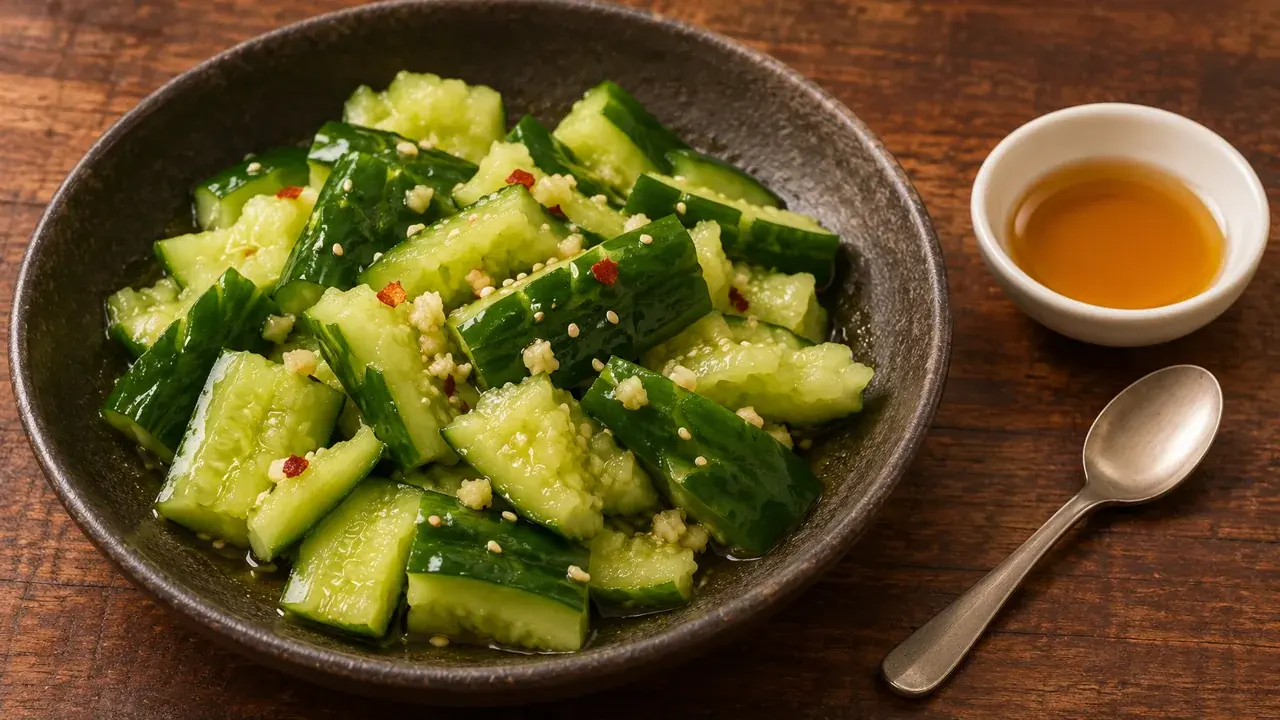
The cited ingredient guide uses smashed cucumber salad as an example of toasted sesame oil balancing rice vinegar and chile oil. It is a specific flavor combination: the sesame oil contributes its nutty aroma while the other ingredients bring their own acidity and heat. You do not need to assign them the same job.
Our Chinese black vinegar vs rice vinegar guide covers the separate vinegar choice. For the savory bottle, light vs dark soy sauce explains seasoning and coloring roles. Identify those ingredients individually instead of treating any brown sauce and any sesame oil as a complete match for the recipe.
A marinade follows the same logic. If toasted oil is there for aroma, a milder oil changes that part of the result. It may still be a workable adaptation, but read the recipe’s substitution notes before assuming that the remaining seasonings will make the two versions identical.
What happens when you substitute?
Replacing toasted oil with untoasted sesame oil removes some of the roasted character the recipe was expecting. Replacing a mild oil with toasted oil introduces a stronger sesame flavor. Whether that change suits the dish depends on how central the aroma is and what else is in the preparation.
For a close match, buy the type specified by the recipe. For a flexible dressing or sauce, use an alternative the author accepts and expect a different flavor. There is no useful universal ratio that makes every toasted, lightly toasted, untoasted or blended product equivalent.
- Recipe asks for toasted sesame oil as a final seasoning? Look for a product described as toasted or roasted.
- Recipe asks for an oil to cook the food? Check its method and the specific bottle’s cooking directions.
- Recipe simply says sesame oil? Read the author’s ingredient notes before choosing a form.
- Bottle says pure? Check roasting and blend information separately; those words answer different questions.
Sesame oil is a different purchase from sesame paste
A jar of ground sesame paste is another ingredient form. Chinese sesame paste vs tahini explains that comparison, including why roast and product descriptions matter there too. If a noodle sauce asks for paste, buying oil alone will not recreate its body. If it asks for oil, a spoonful of thick paste changes the sauce’s consistency.
A chile condiment is separate again. Chili crisp vs chili oil compares a crunchy condiment with a smoother seasoned oil. The presence of sesame or another oil in a condiment does not tell you that it will replace a plain toasted sesame oil addition without also changing heat, texture or seasoning.
Check sesame and the complete product label
Both toasted and untoasted sesame oil come from sesame. If you need to avoid sesame, changing the roasting description does not settle the allergy question. The FDA’s label guide explains how major allergens are identified on most packaged-food labels marketed in the United States. Read the exact product’s ingredients and applicable allergen information.
Blended oils and prepared dressings need their own check. So does a restaurant dish, where other sauces, toppings and cross-contact may matter. Do not use this flavor comparison to assume that a product is allergy-safe, gluten-free or suitable for every dietary requirement.
The Chinese food guide connects the related sauces and dishes. Take the recipe’s oil name and cooking sequence to the shelf, then check the bottle’s roasting description and directions. That gives the sesame flavor a clear place in the dish.
Frequently asked questions
Is sesame oil always toasted sesame oil?
No. Sesame oil can refer to toasted or untoasted varieties. The Woks of Life means toasted oil in its recipes, but another author may use different shorthand. Check the recipe’s ingredient notes and the product description.
Does pure sesame oil mean it is untoasted?
No. In the cited ingredient guide, pure describes an oil that is not blended with another oil. It does not identify whether the sesame seeds were toasted. Check those details separately.
Can I identify toasted sesame oil by its color?
Color is a clue, not a complete specification. Toasted oils can vary with the roast, and lighter-colored toasted products exist. Read the maker’s description rather than relying only on the liquid’s appearance.
Can toasted sesame oil ever be heated?
Follow the recipe and the specific product directions. The cited cooking guide uses it mainly for seasoning and warns about burnt flavor in a hot wok; the cited manufacturer lists medium cooking and sautéing for its particular toasted oil. Neither establishes one rule for every bottle.
Can untoasted sesame oil replace toasted sesame oil?
Expect a milder sesame flavor without the same roasted aroma. Use the specified oil for a close match, or follow a recipe-approved alternative when you are comfortable changing the result.
Can I use sesame paste instead of sesame oil?
They are different ingredient forms. A paste contributes ground seeds and body, while oil is a liquid fat. Use a substitution specifically written for the sauce you are making rather than swapping them automatically.