Pantry & condiments
Chinese Sesame Paste vs Tahini: Which Jar Do You Need?
A noodle recipe says sesame paste. Your grocery store has tahini. Can you use it? Usually, yes, if you're happy with a different sesame flavor. Chinese sesame paste vs tahini is mainly a question of roast, taste, and the dish you're making. For the deeper toasted flavor expected in many Chinese sesame sauces, buy Chinese toasted sesame paste. For dinner with the tahini already in your cupboard, adjust the sauce rather than abandoning the recipe.
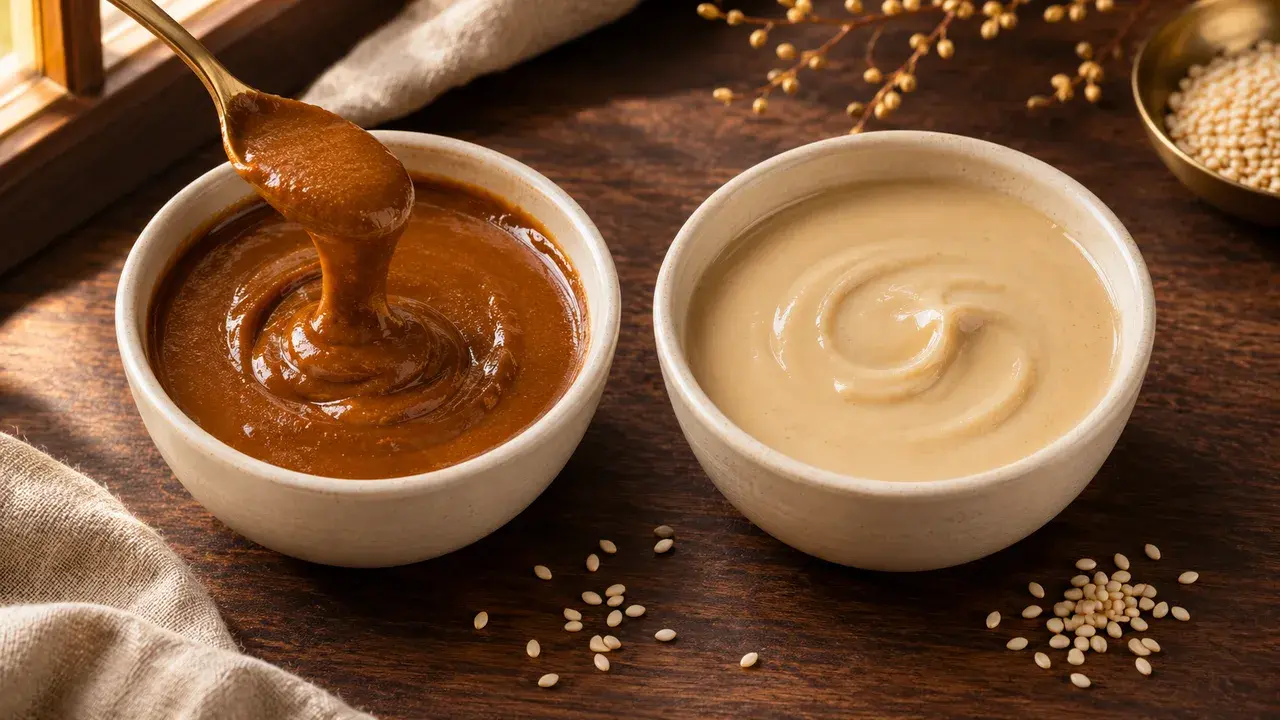
At a glance: choose by the sauce you want
| What matters | Chinese toasted sesame paste | Tahini |
|---|---|---|
| What you're buying | A sesame paste with a pronounced toasted character | A sesame paste whose roast and flavor vary by maker |
| Typical flavor comparison | Deeper, toastier sesame flavor | Often a gentler sesame flavor; check the actual product |
| Useful starting point | Chinese sesame noodle sauces and sesame-based hot pot dips | Hummus, tahini dressings, or an adaptable noodle sauce |
| Can it replace the other? | Possible, with a noticeably different result | Possible when a milder sesame flavor is acceptable |
| What the name cannot promise | Peanut-free, unseasoned, or ready to pour | Raw seeds, a particular roast, or allergy suitability |
Treat those as shopping cues, not a tasting score for every jar. If a recipe names a particular type of paste, that is your best starting point. If you're improvising lunch, the jar you already own may be perfectly useful. The important thing is knowing which flavor you're changing.
What is Chinese sesame paste?
Zhīmajiàng (芝麻酱, sesame paste) is a thick sesame condiment. The toasted white-sesame version described in the Chinese sesame paste glossary has a strong roasted flavor. It's used in noodle sauces and hot pot dips. Some products also contain peanuts, so the name on the front of the jar doesn't tell you the whole formula.
On the shelf, look for the ingredient you need rather than a photograph of the finished dish. A plain paste gives you control over the sauce. A prepared dipping sauce may already have the seasonings you were about to add. Read the ingredient list before treating those as interchangeable purchases.
If your recipe asks for sesame oil rather than ground paste, Toasted sesame oil vs sesame oil explains the bottle labels, aroma and cooking-role differences. Identify that liquid ingredient separately from the paste comparison here.
Tahini isn't always made from raw sesame
You may see the distinction reduced to Chinese paste being roasted and tahini being raw. That is too absolute. Soom's description of tahini explicitly says its tahini is made from roasted, ground sesame seeds. A label saying tahini does not establish that the seeds were raw.
The useful comparison is the flavor of the products in front of you. A deeply toasted Chinese paste and a milder tahini can both be sesame pastes while producing different sauces. When shopping online, read the maker's description as well as the ingredient list. When cooking, taste an ingredient only if it is suitable for you and ready to eat.
Color can help illustrate a difference, but it isn't a reliable specification. Our comparison image is an illustration, not a brand test. You don't need to decide that every dark paste belongs to one cuisine or every pale paste belongs to another. Choose for the result you want in the bowl.
Can you substitute tahini for Chinese sesame paste?
For an adaptable sesame sauce, yes. Omnivore's Cookbook allows tahini as an alternative in its Beijing-style hot pot sauce, while explaining that the flavor changes. That is a useful distinction: a substitution can make a good sauce without reproducing the original ingredient.
If the recipe is built around deeply toasted sesame, buy that paste when you can. If the choice is between tahini noodles tonight and another grocery trip, use the tahini and treat the result as your version. Don't keep adding soy sauce or sugar just because it doesn't taste like the darker paste you remember. More seasoning won't necessarily solve a different roast.
Make a small amount of sauce before dressing the entire bowl. Check its consistency, then its balance with the other ingredients. Keep a little undressed food aside if you're still adjusting. This is a practical way to try a swap without committing dinner to your first guess.
- Following a named recipe closely? Use its specified paste and its own substitution notes.
- Making a flexible noodle lunch? Tahini can be a reasonable starting point when its flavor suits you.
- Trying to identify a restaurant sauce? Ask what is in that sauce. The menu name isn't an ingredient list.
- Cooking for someone with an allergy? Check the replacement independently. A similar texture says nothing about suitability.
What about peanut butter or toasted sesame oil?
Peanut butter is another alternative in the linked hot pot recipe, but it changes the flavor and introduces peanuts. It isn't a neutral replacement. Don't use a suggestion involving peanut butter for someone avoiding peanuts, and don't assume a commercial Chinese sesame paste is peanut-free either.
Toasted sesame oil is also a different purchase from sesame paste. If your recipe calls for a paste, don't replace the jar with a bottle of oil and expect the same sauce. Use the recipe's own guidance for adjustments. Buying every sesame product in the aisle won't make a substitution more predictable.
How to thin a stubborn sesame paste
For the linked Beijing-style sauce, the method is gradual: mix water into the paste a little at a time and keep stirring. It can become thicker before it loosens. Check the recipe before adding boiling liquid; its author specifically warns that boiling broth can make this sauce separate.
Use the texture your dish needs as the stopping point. A sauce for coating noodles and a sauce for dipping cooked vegetables don't have to pour identically. Keep the seasoning decisions separate from the consistency adjustment so you can tell which change helped.
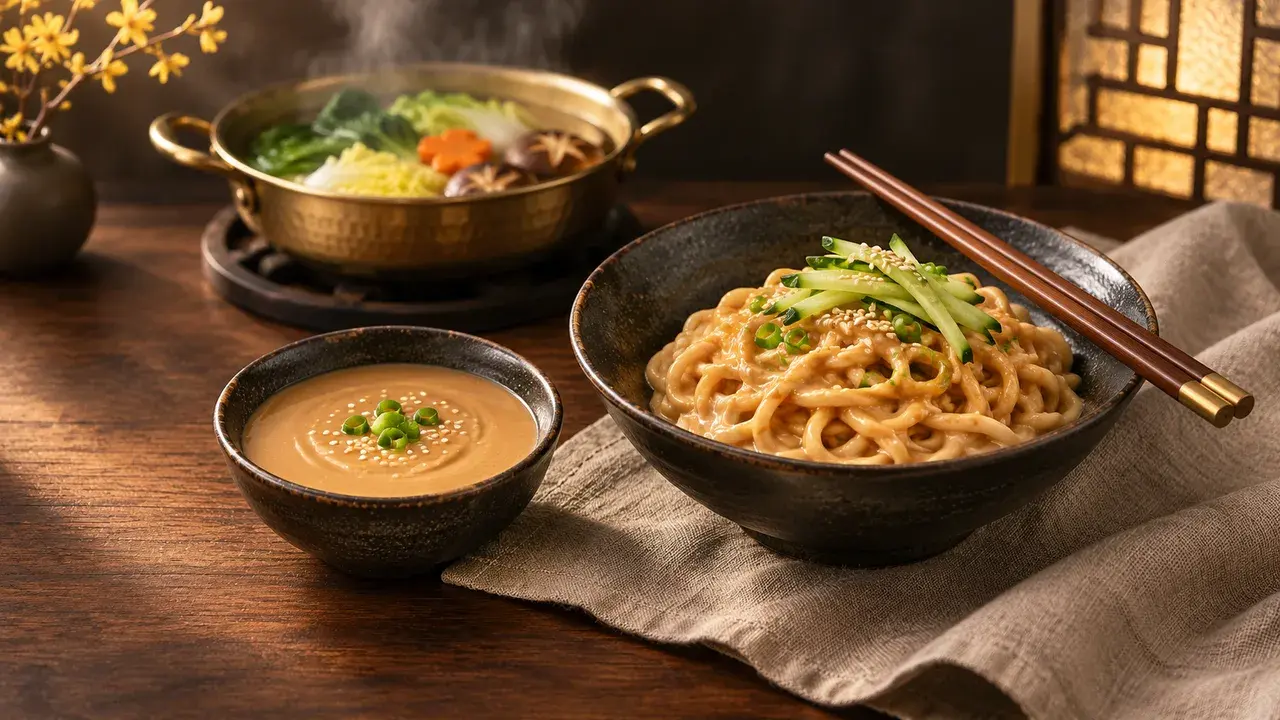
Noodles and hot pot: two different shopping decisions
For a noodle recipe that specifically asks for Chinese sesame paste, start there. If you're ordering dan dan noodles, ask about the restaurant's version rather than assuming it uses your home recipe. The dish name alone won't settle questions about sesame, peanuts, or meat.
For a hot pot night, decide whether you're buying a plain ingredient or a finished dip. Ask the restaurant to identify anything unfamiliar at the sauce bar before mixing it into your bowl. Our malatang vs hot pot guide covers the meal formats; this guide helps you choose the sesame ingredient.
Keep the other condiments separate in your mind, too. Chili crisp vs chili oil is a question about heat and texture. Hoisin vs oyster sauce is a different pantry decision. None of those names is a shortcut for identifying the sesame paste a recipe needs.
Allergens and storage: read the actual jar
Sesame is a major food allergen in the United States, according to the FDA's food allergy guidance. Both pastes contain sesame. A peanut-free paste is not a sesame-free paste, and a sesame product may also contain peanuts or other ingredients. Read the full label and check with the manufacturer when suitability is unclear.
At a restaurant, tell staff which ingredient you must avoid and ask about the sauce and cross-contact. Don't rely on color, a familiar dish name, or removing a garnish. For gluten or other dietary requirements, check every ingredient in the finished dish rather than judging the paste alone.
Follow your product's storage instructions after opening. A jar of plain paste and a homemade sauce containing added ingredients are different foods; don't transfer a storage claim from one to the other. This guide doesn't assign either an invented shelf life.
Before you buy
Ask yourself what you're making, whether the recipe needs a strongly toasted sesame flavor, and whether you're buying plain paste or a prepared sauce. Then check the ingredients. If tahini is already in your cupboard, you may have enough for dinner. If you want the flavor of Chinese toasted sesame paste, buy that ingredient rather than trying to make the label mean something else. Browse the Chinese food guide for more menu and pantry questions.
Frequently asked questions
Is Chinese sesame paste the same as tahini?
They are both sesame pastes, but they may taste different. Chinese toasted sesame paste typically has a more pronounced roasted flavor. Tahini varies by maker, and some tahini is also made from roasted seeds. Check the product and the recipe instead of relying on a raw-versus-roasted rule.
Can I use tahini in Chinese sesame noodles?
You can use it in an adaptable sesame noodle sauce if you accept a different flavor. For a recipe designed around Chinese toasted sesame paste, use the specified ingredient when possible. Mix a small amount of the replacement sauce before dressing all the noodles.
Why does sesame paste get thicker when I add water?
The linked Beijing-style hot pot recipe describes this happening during mixing. Keep adding liquid gradually and stirring according to that recipe; the paste loosens as more water is incorporated. Don't assume its initial thickening means you need to pour in oil.
Does Chinese sesame paste contain peanuts?
Some products do. Others use sesame without peanuts. Read the ingredients and allergen information for the actual jar, and ask the manufacturer if anything is unclear. Neither the English name nor the Chinese characters are a peanut-free guarantee.
Can I replace sesame paste with sesame oil?
Don't treat them as equivalent ingredients. If a recipe asks for sesame paste, a bottle of sesame oil won't give you the same sauce. Follow the recipe's substitution guidance rather than swapping them spoon for spoon.
Which one should I buy for hot pot dipping sauce?
Use Chinese toasted sesame paste when that is what your chosen sauce recipe specifies. Tahini can work in recipes that allow it, with a different flavor. Also check whether you're buying plain paste or a seasoned dipping sauce, and verify allergens in either product.