Culture & dining
Malatang vs Hot Pot: What's the Difference for First-Timers?
The door says malatang. A Frisco write-up of a new YGF Malatang shop calls the same meal "Chinese hot pot flavors," and another headline calls it a "build-your-own Chinese hot pot." Your friend just texts hot pot. Three labels. You still don't know if you're getting a bowl or a pot in the middle of the table.
That mix-up is malatang vs hot pot. Both meals love chile and a boiling broth. The order is the split. Malatang (麻辣烫, málàtàng) is usually a personal bowl: you pick the ingredients, the shop cooks them, and one bowl comes back with your name on it. Hot pot is usually a shared table. The pot stays on the burner, and you cook the food yourself.
If you typed what is malatang after that headline, you're in the right place. Below is the numb-spicy flavor, how a U.S. counter usually works, and when the bowl beats booking a table.
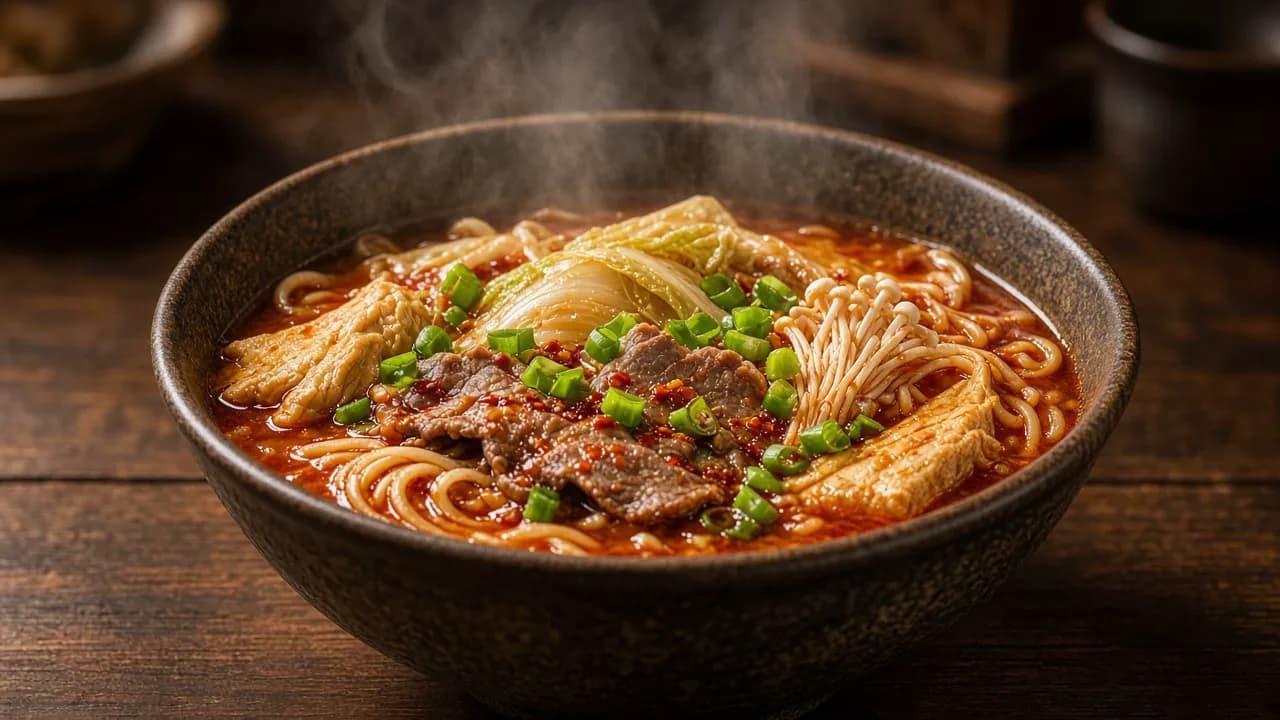
What Is Malatang (麻辣烫 / Málàtàng)?
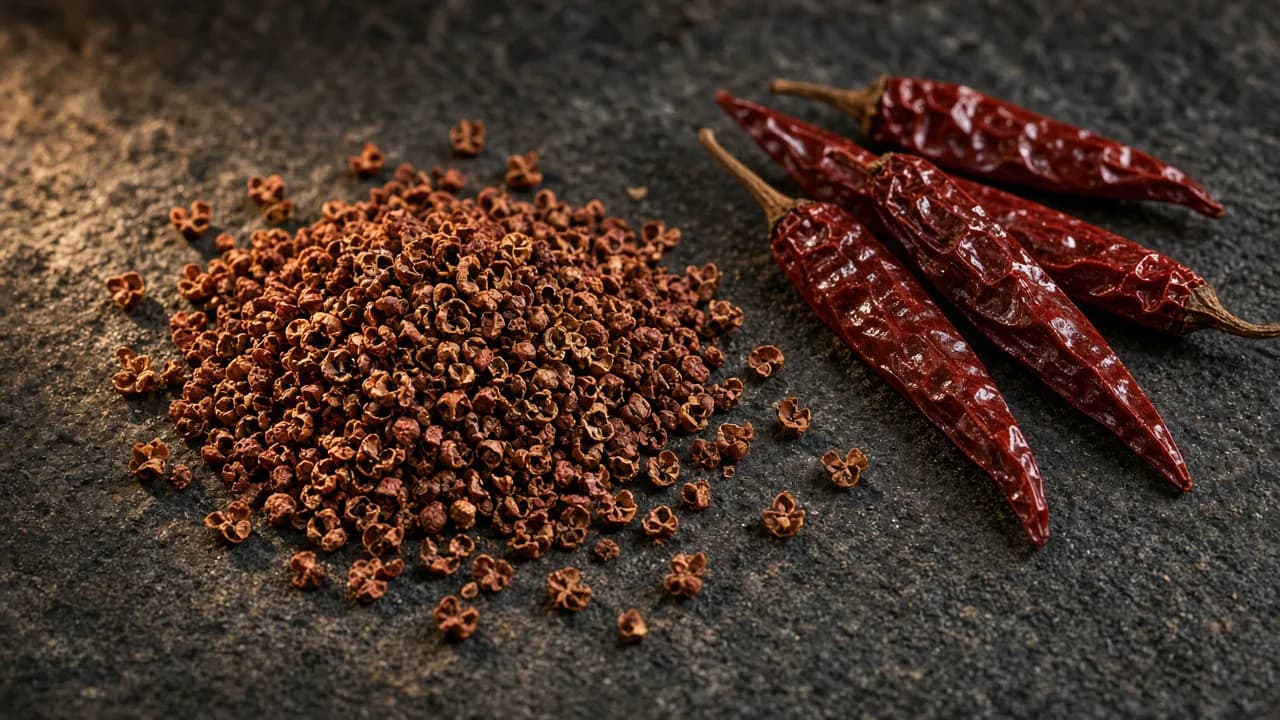
Malatang is a Chinese street-food bowl. People sometimes hear the name and assume it's a hot pot chain. Má is the numb tingle from huājiāo (花椒, Sichuan peppercorn). Là is chile heat. Tàng is the scalding broth. Together, málà (麻辣, numbing-and-spicy) is what people mean when they say mala.
You pick your ingredients from a cold case, skewers, or open bins. The shop cooks the pile and hands you a broth bowl. A cafeteria line here, a short menu there. Usually is the honest word, because shops don't share one routine.
A mala base means red oil, dried chile, and that sichuan peppercorn buzz. Bone broth and tomato are there when you want the same pick your ingredients format with less fire.
YGF malatang (Yang Guofu) and Zhang Liang are chain names you'll see on U.S. signs. Useful when you're trying to recognize the shop. This isn't a ranking or a coupon.
Quick Refresher: What People Mean by Hot Pot
Hot pot, huǒguō (火锅, fire pot), keeps the pot on the table. Broth boils, sometimes split red and mild. You cook a few pieces of meat, greens, tofu, or noodles, then dip. The meal lasts as long as the talking does.
Menus also spell it hotpot. A personal hot pot, one burner at your seat, is still hot pot, because you cook. The malatang bowl arrives finished. Handy comparison. Wrong ticket if you came for a burner.
A Chinese broth versus a Korean BBQ-and-soup combo is a different question. That piece is Chinese hot pot vs Korean hot pot. This page is the cooked bowl versus the tabletop pot.
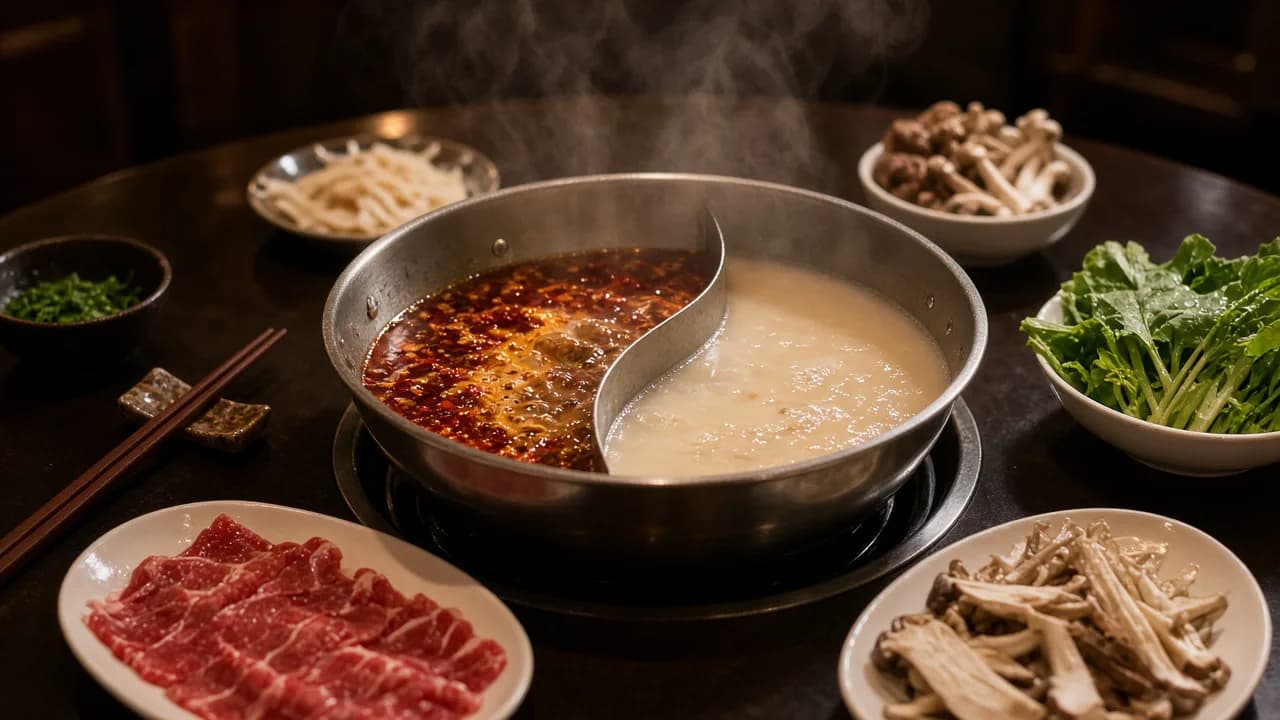
Malatang vs Hot Pot At a Glance
Enough to settle the group chat.
| Comparison | Malatang | Hot pot |
|---|---|---|
| Serving style | One broth bowl, usually yours | A shared pot, sometimes split |
| Who cooks | The shop, after you pick | You, at the table |
| Social vibe | Lunch bowl, or two people with two bowls | A long table, sometimes a first date hot pot |
| Spice profile | Often mala, milder broths if you ask | You pick the broth, mala included |
| Best for | Dinner without holding a table | A group that wants to cook and linger |
Meat, greens, tofu, noodles: same cast on the poster. At malatang, choosing is the hands-on part. At hot pot, cooking is.
What "Mala" Tastes Like (Numbing + Heat)
Mala is two sensations in one spoon. Chile heat is the burn you already know from spicy chinese food, including the kung pao chicken on a weeknight takeout menu. The other half is numbing spice. Sichuan peppercorn doesn't taste like black pepper, and it isn't "more heat." Your tongue buzzes. Sometimes your lips do too. A little electric.
That buzz can feel like a warning. It usually isn't an allergic reaction. It's the peppercorn. If your mouth tingles and you can still breathe and swallow normally, you're meeting má. Real allergies are a separate talk with the staff. Don't use the tingle as a test.
Other dishes make a useful map before you commit to a whole bowl. If you've wondered what does mapo tofu taste like, that sauce is mala in thick form over soft tofu. A bowl of dan dan noodles is a smaller, punchier dose tossed through noodles. Chili crisp is the condiment you add later, which is why chili crisp vs chili oil is a different article. For the wider cuisine, start with Sichuan food for beginners.
How U.S. Malatang Shops Usually Work
Look for the line, not a host stand. Most counters do some version of this:
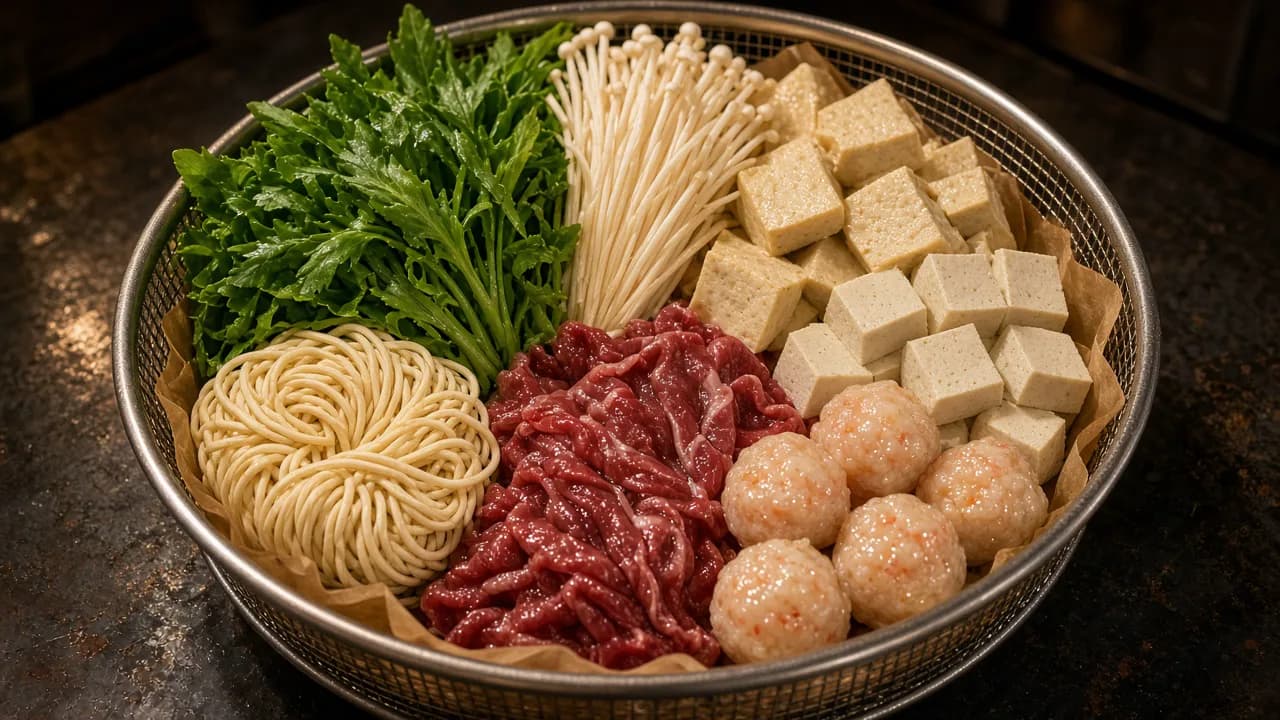
- Grab a bowl, basket, or tray. That container is your order.
- Pick your ingredients. Greens, mushrooms, tofu, noodles, sliced meat, fish tofu, and shrimp balls are common. Skip what you can't name.
- Ask how they charge. Many counters are priced by weight. Others use a menu or skewers. No prices invented here.
- Choose a broth and a spice level. Mala, bone broth, and tomato are the usual trio. Mild is a real order.
- Wait for one cooked bowl. You don't run a burner.
A few shops leave a soup base at your seat instead. A pot plus raw plates means you've wandered into hot pot. A basket that comes back as a finished bowl means malatang. When the sign uses both names, trust the equipment.
At home, the sketch is one bowl of soup base with chile and sichuan peppercorn, plus vegetables you already buy. Direction only. No gram weights, and no pretend recipe. The restaurant version is the counter.
When to Choose Malatang vs Booking a Hot Pot Table
Take the bowl when you're one person, or two people who each want lunch and the hour back. Malatang can leave the shop. A roaring pot can't. On takeout vs sit-down, the bowl does either, and the pot wants a chair.
Book the table when the plan is the table. A group, a birthday, a first date hot pot if you want something to do with your hands. You cook, and you stay. That's the fun, and the time cost.
Two people can each get a bowl and trade a few bites. You generally don't pass one malatang around the way a table passes a hot pot. The broth is already one person's pile, at one spice level. Splitting the whole bowl is how somebody eats a dinner they didn't order.
Both are cold-weather food, which doesn't decide anything. A short lunch means the bowl. A long evening means the pot. That's the practical malatang vs hot pot choice: time, and whether anyone wants to cook.
Chinese Street-Food Roots vs Korean Mala Hype
Malatang is commonly described as a Chinese street-food tradition: a hot custom bowl on mala broth, eaten at a stool as often as at a reserved table. Which city started it, and in which decade, is still argued. I'm not going to invent a founding year.
The Korean mala trend is a real scene, in restaurants and in English-language food writing. Korean cooks took the flavor and ran with it. That's how food moves. It doesn't move the origin, and it doesn't make those shops a punchline.
Korean BBQ plus a soup pot is the combo-restaurant format, which belongs to the other guide. The bowl called malatang comes out of Chinese street food. Order whatever the menu in front of you is actually cooking.
First-Timer Tips, Allergens, and Comfort
Before the first spoon:
- Start at the mild end. The burn you can learn. The numb is harder to guess from a photo.
- Keep noodles or rice in the bowl so the broth has somewhere to land. Water helps. A sweet soda will not cancel Sichuan peppercorn.
- Read the allergen list, then ask. Wheat and other gluten show up in noodles and a lot of fish tofu. So do soybean, sesame, shellfish in shrimp balls, peanut in some toppings, and egg or fish paste in pieces that look like plain tofu. A vegetable label is not a promise.
- The tingle can startle you. By itself it isn't an allergy. A tight throat, hives, or trouble breathing means you stop and get help.
- Oil and salt follow the broth and the basket. Vegetables can fill the bowl or barely appear. Judge the plate, which is the same line we take in is kung pao chicken healthy.
- For heat you already know, kung pao vs general tso and kung pao vs szechuan separate sweet-tangy takeout from peppercorn tingle. kung pao chicken vs orange chicken is the other familiar fork.
FAQ
What is malatang?
Malatang (麻辣烫, málàtàng) is a Chinese street-food bowl. You pick ingredients, the shop cooks them in broth, and you eat that portion. The name covers Sichuan peppercorn's numb tingle, chile heat, and a scalding cook. Counters often price it by weight, with a mala broth or a milder bone broth or tomato base.
Is malatang the same thing as hot pot?
They share broth, chile, and a boil, which is why headlines blend the names. Malatang is usually cooked for you and served as one bowl. Hot pot leaves the pot on the table so you cook each piece, often with other people. If a sign uses both names, check whether you get a finished bowl or a burner.
What is the difference between malatang and hot pot?
Who cooks, and who the portion is for. At malatang you pick ingredients and the kitchen returns a finished bowl. At hot pot you cook raw plates in a simmering pot. Malatang leans solo, or two separate bowls. Hot pot leans toward a shared table and a longer meal. Either can be mild.
What does malatang taste like?
A mala bowl tastes like chile heat plus a buzzing numb from Sichuan peppercorn, often with a slick of red oil. Tomato or bone broth tastes more like seasoned soup plus whatever you added. The numb can surprise you. It's a flavor, usually not an allergic reaction.
Is malatang Chinese or Korean?
Malatang comes from Chinese street food. Korean kitchens have their own mala cooking, worth meeting on its terms, and that doesn't rewrite the origin. A Korean BBQ place with a soup pot is a different format. Read the menu in front of you and order that.
How do you order malatang in the U.S.?
Take a basket and pick what you want to eat. Ask if the shop charges by weight or by the item, then choose broth and spice level. Start milder than your pride. The kitchen cooks the basket and brings one bowl. A boiling pot and raw plates means you are ordering hot pot instead.
Is malatang healthy?
The same shop can hand you a vegetable-heavy bowl or a fatty, oily one, depending on the basket. Sodium and oil change with the broth and the toppings. There isn't one honest number for every bowl. Judge what you built, the way you'd judge any other plate.
What should beginners choose if they are sensitive to spice?
Malatang is not automatically very spicy. Ask for the mildest level, and try tomato or bone broth before the red mala pot. Load greens, mushrooms, tofu, and noodles you recognize, and ask for less chile oil. If the peppercorn buzz sounds awful, say so before they cook.
Once the sign and the headline disagree, malatang vs hot pot is a pretty simple call. One cooked bowl, or a pot you share and stir yourself. The sit-down pot, Chinese or Korean, is the other guide. Mapo, dan dan, and the chile condiments are the mala relatives linked above. Everything else on the table starts at our Chinese food guide.