Pantry & condiments
Shaoxing Wine vs Mirin: Which Bottle Does Your Recipe Need?
For Shaoxing wine vs mirin, choose the bottle your recipe names. Shaoxing is a Chinese rice wine commonly used in savory cooking; mirin is a sweeter Japanese rice wine, and some bottles sold beside it are mirin-style seasonings. Mirin can work in some recipes as a substitute, but it changes the sweetness and flavor. For a Chinese recipe that specifies Shaoxing, buying Shaoxing is the more straightforward choice. If you need an alternative, check that recipe’s substitution notes before swapping.
The confusing part is that cooking wine is not one uniform ingredient. A salted Shaoxing cooking wine, a traditional mirin and a mirin-style seasoning can bring different amounts of sweetness, salt and alcohol to the pan. Read the full product description rather than assuming two rice-based liquids will do the same job.
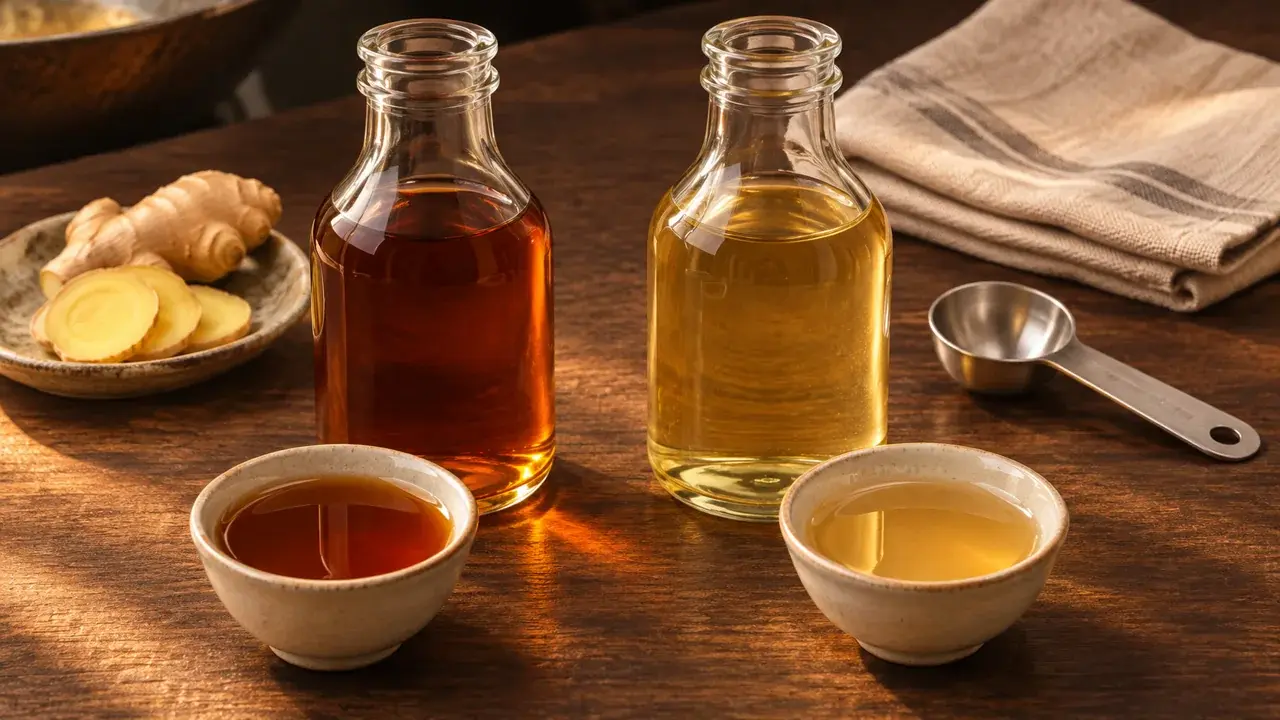
At a glance: what changes when you switch bottles
| Shopping question | Shaoxing wine | Mirin and mirin-style seasonings |
|---|---|---|
| Cooking context | Chinese savory recipes, including sauces and marinades | Japanese recipes such as teriyaki; also sold as cooking seasonings |
| Flavor direction | Fragrant rice wine with some sweetness; not the same sweet profile as mirin | Noticeably sweet; the exact product matters |
| Label detail | Check whether the cooking wine has added salt | Distinguish traditional mirin from mirin-style seasoning |
| In a recipe naming Shaoxing | The intended ingredient | May make the result sweeter and change flavor |
| A useful alternative to investigate | Dry sherry if the recipe permits it | A recipe-specific substitute, rather than an automatic match |
| Dietary requirements | Read ingredients and product information | Read ingredients and product information; the name is not a guarantee |
What is Shaoxing wine?
Shàoxīng jiǔ (绍兴酒, Shaoxing wine) is a Chinese rice wine. The Woks of Life describes it as dark amber, fragrant and mildly sweet. It appears in Chinese recipes ranging from stir-fries to dumpling fillings. The useful distinction here is mildly sweet wine versus the more pronounced sweetness associated with mirin, rather than a claim that Shaoxing contains no sweetness at all.
You may see the English label Chinese cooking wine, but read further. A recipe that specifically says Shaoxing is naming a particular ingredient, not every wine made from rice. The color can help you recognize a familiar bottle, but the name and ingredients are better evidence than the shade you see through glass.
Salt is another detail to check. The Woks of Life discusses salted Shaoxing cooking wine as the product it uses in recipes. That does not mean every bottle labeled Shaoxing has an identical formula. When your recipe accounts for a salted cooking wine, a different product may change the seasoning balance. Follow any brand or product notes the recipe provides.
Shaoxing is one component of the sauce or marinade. RecipeTin Eats describes Chinese cooking wine as adding depth to those preparations. Buying it is a practical way to follow a recipe more closely, not a guarantee that every other part of the dish will turn out the same.
What is mirin, and why does the label matter?
Mirin is a sweet Japanese rice wine used in cooking. The Woks of Life’s mirin guide points to Japanese dishes such as teriyaki and sukiyaki, and distinguishes traditional hon mirin from products sold as aji mirin or mirin-style seasonings. Those terms are worth noticing before comparing the bottle with Shaoxing.
A manufacturer example makes the difference concrete. Kikkoman calls its Kotteri Mirin a mirin-style cooking seasoning and describes the sweetness and glaze it brings to food. It also distinguishes that product from traditional mirin rice wine. The example tells you to read the product description; it does not establish one formula for every bottle carrying the word mirin.
For a recipe that names mirin, use the type it recommends when possible. A mirin-style seasoning may be acceptable in a particular recipe, but its suitability comes from the recipe and product details. It is not evidence that all mirin products are interchangeable, or that a bottle of Chinese cooking wine is the same ingredient under another name.
Can you use mirin instead of Shaoxing wine?
Sometimes, with a changed result. Both The Woks of Life and RecipeTin Eats discuss mirin as a possible substitute while emphasizing that it is much sweeter than Shaoxing. If the recipe contains added sugar, their guidance is to consider that sugar when making the substitution. If it does not, there may be no separate sweetener to reduce.
Do not treat that guidance as a universal formula. Bottles and recipes differ. A small amount of wine in a larger sauce is a different problem from a dish that relies heavily on the wine’s flavor. Use the recipe’s specific substitution notes, and accept that changing the bottle changes more than the ingredient name on the page.
The reverse swap also needs thought. Shaoxing in a recipe designed around mirin changes the sweetness and may change the salt balance if you use a salted cooking product. Adding sugar can address one part of that difference, but it does not prove you have recreated the original ingredient. A method written for the bottle you own is a useful starting point.
Why dry sherry comes up as an alternative
Dry sherry is a commonly recommended alternative in both cited Shaoxing guides. Dry matters: a recommendation for dry sherry is not an invitation to use any sweet wine you find. Check whether the recipe permits that substitution, especially when the wine is a prominent ingredient rather than a small part of the seasoning.
If a recipe gives a quantity and names a suitable replacement, follow that instruction. If it warns that the wine is central to the dish, buying the named ingredient may be the better choice than trying to correct several flavor differences afterward.
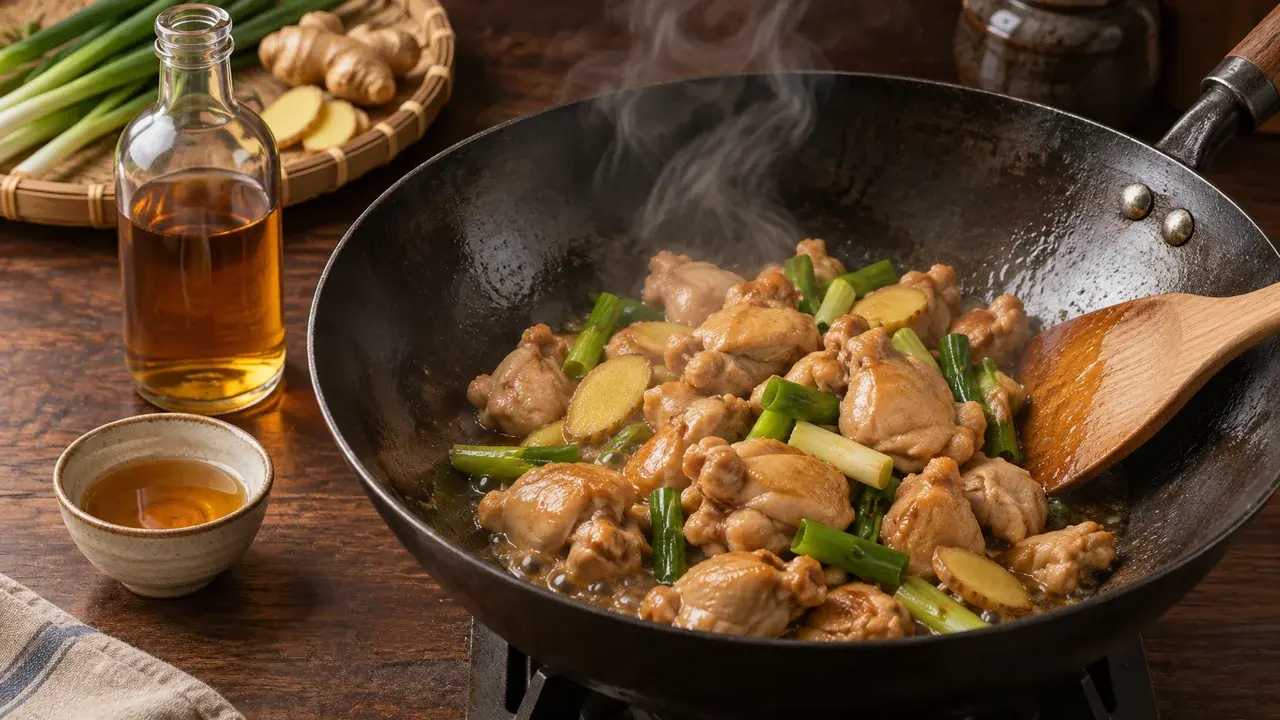
Rice vinegar, soy sauce and hoisin answer different questions
Rice wine and rice vinegar are separate ingredients. If your recipe needs vinegar for its sour contribution, swapping in cooking wine is not the same decision as choosing between wines. Our Chinese black vinegar vs rice vinegar guide deals with that acid choice and the distinction between plain and seasoned vinegar products.
Soy sauce is another independent choice. When you are following a sauce or marinade recipe, light vs dark soy sauce explains the salt-and-color decision. Replacing a cooking wine does not automatically call for changing the soy sauce too. Keep track of which ingredient each instruction is asking you to adjust.
For a ready-made sauce question, see the hoisin sauce guide. And if you encountered Shaoxing while planning sticky rice stuffing, the Chinese Thanksgiving dinner guide covers the wider meal. The wine comparison here helps you identify the ingredient before you return to that recipe or menu plan.
Check the exact bottle before deciding
- Match the full ingredient name in the recipe, then read the bottle’s description. Chinese cooking wine, Shaoxing, mirin and mirin-style seasoning are not interchangeable labels.
- Check for added salt and sweeteners rather than assuming a category has one fixed formula.
- Read ingredients and allergen information on the current package. A rice-based name alone does not establish a gluten-free claim.
- If you need to avoid alcohol, choose a recipe written without it and check every replacement product’s information. Do not infer suitability from the word seasoning.
The Woks of Life notes wheat in Shaoxing wine production. That is enough reason to avoid assuming that rice wine means gluten-free. For packaged foods marketed in the United States, the FDA explains how major allergens such as wheat must be identified on most labels. Read the actual package and any relevant dietary certification rather than borrowing a claim from another brand.
For alcohol-related requirements, the product name is only a starting point. Kikkoman’s mirin-style example is explicitly distinguished from traditional mirin, yet that distinction is not a blanket alcohol-free claim. A recipe developed without alcohol is a clearer choice than guessing what a product name or cooking step guarantees.
Start with the recipe, identify the bottle and check the details that matter to you. The Chinese food guide connects the related sauces, ingredients and dishes when you are planning the rest of the meal.
Frequently asked questions
Are Shaoxing wine and mirin the same thing?
No. Shaoxing is a Chinese rice wine used in savory cooking, while mirin is a sweeter Japanese rice wine. Mirin-style seasonings form another product category to check. Their shared rice connection does not make them identical.
Can I replace Shaoxing wine with mirin?
Some recipes allow it, but expect a sweeter result and a different flavor. Follow that recipe’s substitution notes, including any adjustment to added sugar. There is no universal ratio that makes every mirin product match Shaoxing.
Is dry sherry a substitute for Shaoxing wine?
The Woks of Life and RecipeTin Eats both recommend dry sherry as an alternative. Check your recipe’s instructions, especially if wine is a major ingredient. A recommendation for dry sherry does not mean any sweet wine will work the same way.
Is Shaoxing wine the same as rice vinegar?
No. Rice vinegar and rice wine have different roles in a recipe. Do not replace one with the other simply because both names mention rice.
Does mirin-style seasoning mean alcohol-free?
No blanket conclusion follows from that label. Read the exact product information and use a recipe designed without alcohol when that is your requirement. Do not assume a product or cooking step guarantees suitability.
Is Shaoxing wine gluten-free?
Do not assume so. The Woks of Life notes wheat in Shaoxing wine production. Check the exact package’s ingredients, allergen information and any relevant gluten-free certification, rather than relying on the words rice wine.