Vegetables & sides
Dried Shiitake vs Fresh: Which Should You Buy for Chinese Cooking?
For Chinese cooking, dried shiitake bring a deeper mushroom flavor; fresh shiitake give you a softer bite and skip the rehydrating step. The dried shiitake vs fresh decision starts with the recipe: choose dried when the caps and their soaking liquid help build a braise or broth, and fresh when the dish is written for fresh mushrooms. You can sometimes swap them, but expect changes in texture, preparation and liquid.
The brown caps may look like two versions of the same purchase. In the kitchen, they do different jobs. A bag of dried shiitake is especially useful when a recipe wants mushroom flavor in the sauce as well as mushrooms on the plate. Fresh caps make sense when you want to clean, cut and cook without first bringing a dried ingredient back to life.
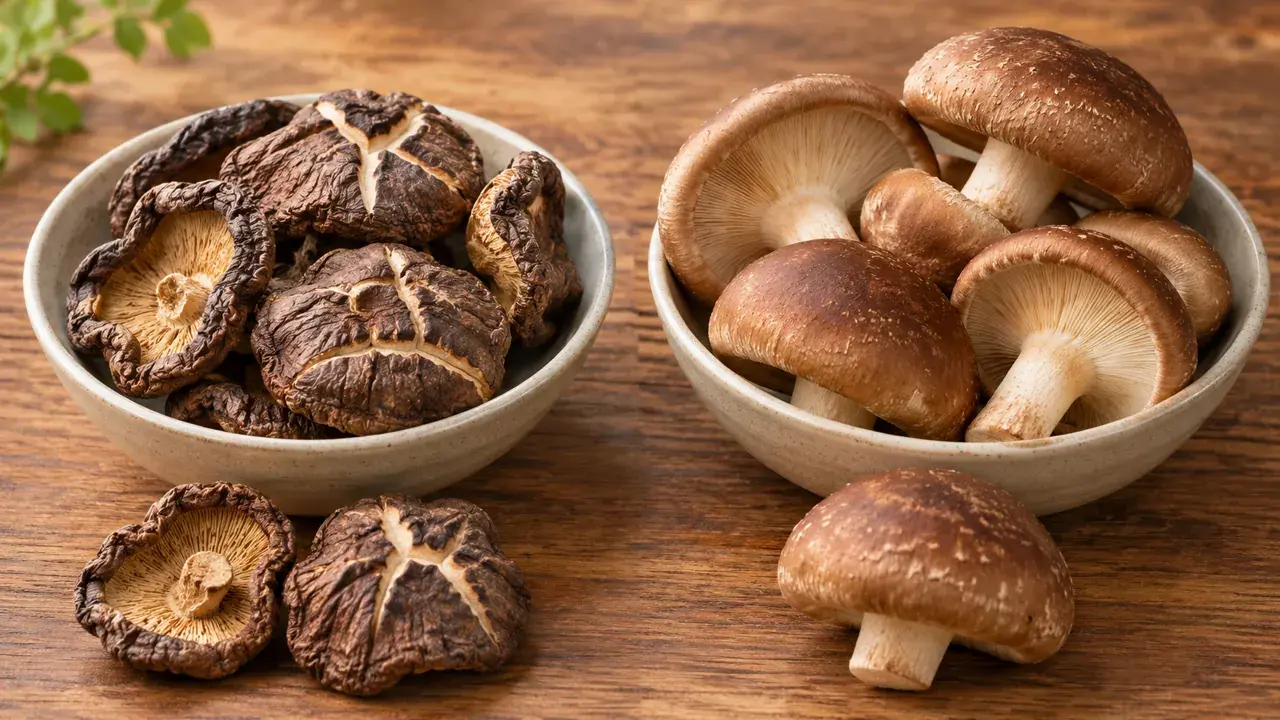
At a glance: dried or fresh shiitake?
| What to compare | Dried shiitake | Fresh shiitake |
|---|---|---|
| Flavor | Deeper, stronger mushroom flavor | Woodsy flavor with a less concentrated effect |
| Texture in a dish | Rehydrated caps have a different, often firmer bite | Generally softer than rehydrated dried caps |
| Preparation | Rehydrate, check tenderness and trim tough stems | Clean the caps and remove woody stems as needed |
| Recipe liquid | Soaking liquid may be part of the sauce or broth | No mushroom soaking liquid is produced |
| Useful starting point | A recipe built around dried mushrooms and their liquid | A recipe written for fresh mushrooms |
| Substitution question | How will the caps be rehydrated and the liquid used? | What will replace any soaking liquid the recipe needs? |
What drying changes in the flavor and bite
The Woks of Life’s dried-ingredient glossary describes dried shiitake as having an intense, meaty flavor stronger than fresh mushrooms. The Kitchn makes a similar distinction: fresh shiitake are softer, while properly rehydrated dried mushrooms have a deeper flavor. These are useful cooking differences, rather than a reason to rank one form above the other.
Fresh shiitake already have plenty of character. The Mushroom Council describes them as woodsy and savory, with a meaty texture when cooked. Choosing fresh does not mean choosing a flavorless mushroom. It means starting with a different form of the ingredient and a different preparation.
A rehydrated dried cap will not necessarily feel like a fresh cap. That matters if the mushrooms are left whole and become a prominent part of each mouthful. If they are chopped into rice or spread through a soup, the flavor and the recipe liquid may be the more important considerations. Decide which role you need before you buy.
Where dried shiitake fit in Chinese cooking
For a clear example, look at The Woks of Life’s braised Chinese mushrooms with bok choy. The recipe rehydrates dried caps, cooks them in a seasoned sauce that includes the soaking liquid, and serves them with baby bok choy. The mushrooms help flavor the sauce; the liquid is part of the method, not a disposable preparation step.
That makes the vegetable choice a separate decision. Our gai lan vs bok choy guide explains the difference between the leafy stems and how a swap changes the plate. Buying a different green does not answer whether a mushroom recipe expects dried caps, fresh caps or a particular liquid.
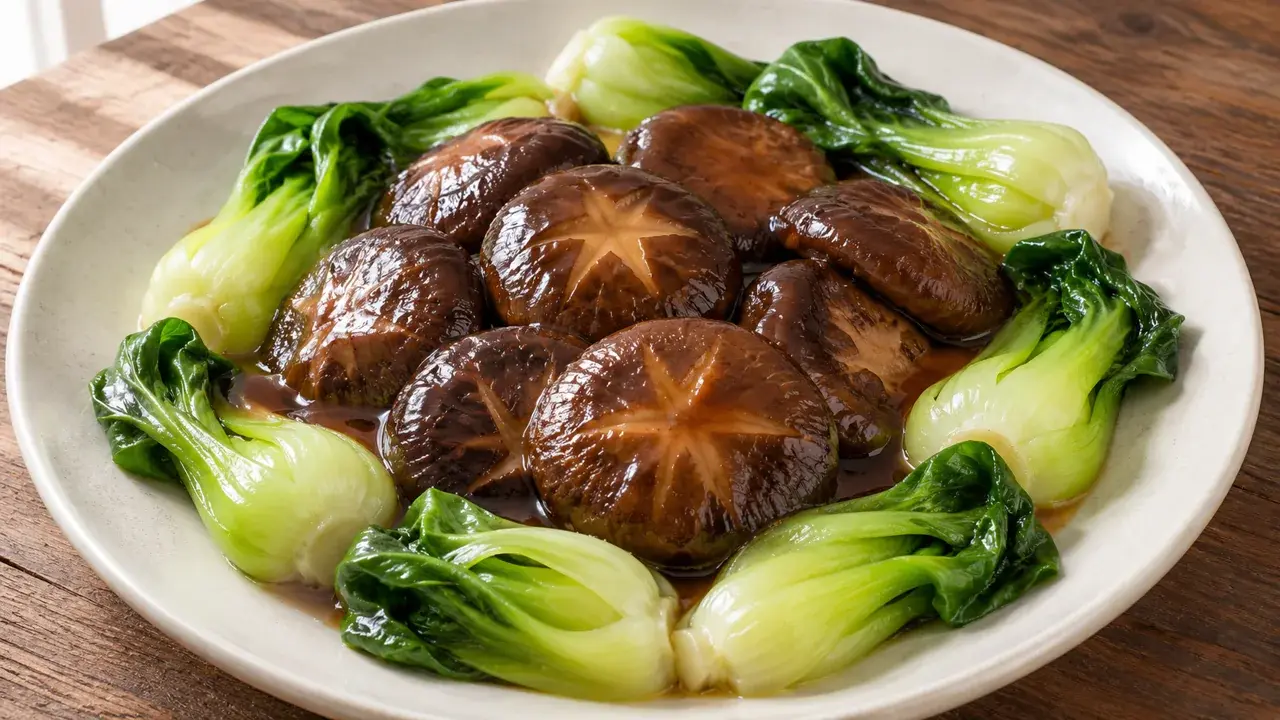
Dried shiitake also have a documented place in Chinese sticky rice, soups and vegetable stir-fries, as The Kitchn’s guide explains. For a meal-planning example, our Chinese Thanksgiving dinner guide includes shiitake in sticky rice stuffing. Check the actual rice recipe for the form and preparation it wants, rather than assuming any mushroom can be folded in at the same stage.
Soup is another place where that distinction matters. A recipe may use the mushroom caps, their soaking liquid, or both. The egg drop soup vs hot and sour soup guide covers the broader menu decision; a bowl’s name alone does not tell you which mushrooms the kitchen uses.
Preparing each form: keep the steps straight
Fresh shiitake do not need a dried-mushroom rehydration step. The Mushroom Council advises cleaning off surface debris with fingers or a damp paper towel, or briefly rinsing under running water and patting dry. Check the stems: some are fibrous or woody and should be removed from the portion you plan to eat.
Dried shiitake need to be rehydrated for the kinds of braises and stir-fries discussed here. Follow the package and the chosen recipe for the soaking method. The cited recipes use different mushrooms and different soaking instructions, so one universal duration would be a poor shortcut. Make sure the caps have softened as the recipe requires before proceeding.
The Woks of Life’s glossary and The Kitchn both describe removing excess water and trimming tough stems after rehydrating. Then slice, chop or leave the caps whole according to the dish. Rehydrating is a preparation stage; continue with the recipe’s cooking instructions afterward.
When a recipe uses the soaking liquid, keep grit out. Both culinary guides recommend leaving sediment behind rather than pouring the entire bowl into the food. The bok choy braise specifically adds mushroom soaking water carefully to avoid that sediment. Save the liquid because the method calls for it, and use the amount the recipe specifies.
Can fresh shiitake replace dried shiitake?
Sometimes, if you are comfortable adapting the dish. The first question is what the dried mushrooms contribute. If the recipe needs their deeper flavor and a mushroom-rich soaking liquid, fresh caps will not reproduce both simply by being added to the pan.
Read the entire method before making the swap. Note where the mushrooms enter and where any soaking liquid enters. Fresh shiitake remove the rehydration step, but that does not erase the sauce’s need for liquid. Use a recipe with substitution notes or one written for fresh shiitake if you want clearer guidance on that adjustment.
It also helps to separate the other ingredients. Light vs dark soy sauce explains seasoning and coloring choices. Adding extra dark soy sauce to make a fresh-mushroom dish look darker does not supply the mushroom flavor or liquid that the original recipe expected.
Can dried shiitake replace fresh shiitake?
The Kitchn describes using rehydrated dried shiitake in place of fresh, while acknowledging the deeper flavor and different softness. That makes this a possible adaptation, with a result you should expect to notice. Start by preparing the dried caps, rather than treating them like fresh slices ready for the pan.
There is no single conversion offered here for every recipe. Whole caps, sliced mushrooms and chopped mushrooms are different measurements, and the recipe may already include a carefully balanced sauce. Use the author’s conversion when one is supplied. Otherwise, choosing a recipe built for the form you own is the more predictable route.
For a flexible tofu-and-vegetable meal, consider each component’s structure. Our silken tofu vs firm tofu guide explains the tofu choice. A soft tofu, a fresh mushroom and a rehydrated dried cap each need the handling the recipe gives them; changing several ingredients at once makes the final texture harder to predict.
What to check at the store and on the menu
For fresh shiitake, the Mushroom Council recommends firm, plump mushrooms with a fresh appearance. The surface should be dry without looking dried out. That description is different from a deliberately dried shiitake, where wrinkles and a dry cap are expected.
For dried mushrooms, read the full ingredient name. The Woks of Life lists dried shiitake under dōnggū (冬菇) and describes both smoother caps and caps with a cracked pattern. Other dried fungi on the same shelf are separate ingredients. A bag labeled mushrooms is not enough information to establish that it contains the shiitake your recipe names.
- Match the ingredient form to the recipe before buying: dried, fresh, whole or sliced.
- Check whether mushroom soaking liquid is part of the sauce or broth.
- Plan the rehydrating and stem-trimming steps when choosing dried caps.
- Use the package directions for handling and storage, rather than assuming dried and fresh products have the same needs.
- At a restaurant, ask which mushrooms and sauces are used if a particular texture or ingredient matters to you.
A mushroom dish is not automatically vegetarian, vegan or gluten-free. The documented bok choy braise, for example, distinguishes regular oyster sauce from a vegetarian alternative. Stock, other sauces and cross-contact still matter. Check the full recipe or ask the kitchen about your requirements.
The Chinese food guide connects the neighboring ingredient and menu questions. For this purchase, start with the recipe’s mushroom form and whether it uses soaking liquid. Those two details will tell you more than a general claim that fresh is always better or dried is always stronger in every finished dish.
Frequently asked questions
Are dried and fresh shiitake interchangeable?
They can be in some recipes, with adjustments. Dried shiitake bring deeper flavor and need rehydrating; fresh shiitake are generally softer and produce no soaking liquid. Follow substitution notes or choose a recipe written for the form you have.
Why do Chinese recipes call for dried shiitake?
They can contribute strong mushroom flavor to soups, braises, rice and stir-fries. Some recipes also use the flavorful soaking liquid as part of a sauce or broth. This is a recipe choice, not a rule for every Chinese mushroom dish.
Do fresh shiitake need to be soaked like dried mushrooms?
No dried-mushroom rehydration step is needed for fresh shiitake. Clean them and remove woody stems as needed, then follow the recipe’s preparation and cooking instructions.
Can you use the dried-mushroom soaking liquid?
Yes, when the recipe calls for it. The cited culinary guides use it for flavor and advise leaving sediment behind. Keep grit out and follow the recipe’s amount and method.
Should you remove shiitake stems?
Check their texture. Woody or tough stems are unsuitable for the tender pieces you want to eat in the finished dish. Both the fresh-mushroom guide and dried-mushroom preparation sources address trimming tough stems.
How much dried shiitake equals fresh shiitake?
Use a conversion supplied for your recipe rather than a universal ratio. The ingredient’s cut, measurement and role in the sauce can differ. A swap also changes preparation and texture, not just the quantity of caps.