Culture & dining
Why Malatang Is Taking Off in 2026 (and How to Order It)
麻辣烫 · málàtàng
The short answer
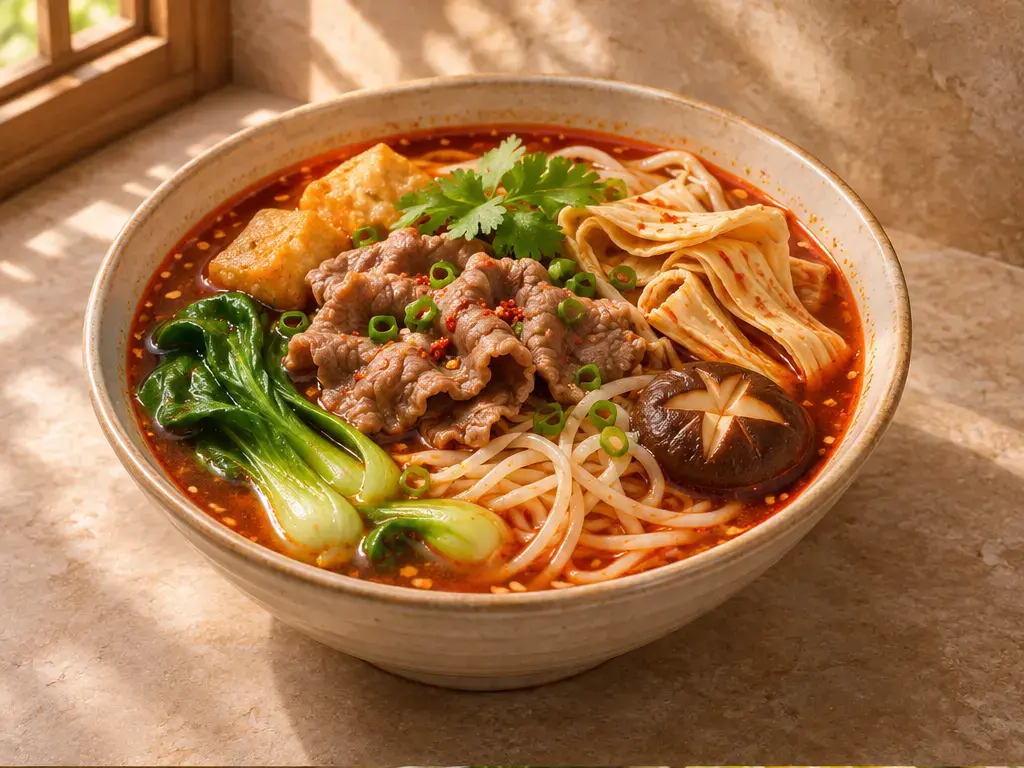
Malatang is a Chinese build-your-own soup bowl. At many shops you pick the ingredients, choose a broth and let the kitchen cook it. Tastewise’s 2026 forecast reported rising interest and more menu mentions, and reporting from South Korea documents how the format has spread there. For a first bowl, start with medium or mild broth, one protein, one noodle and two vegetables.
The shopping basket is the menu
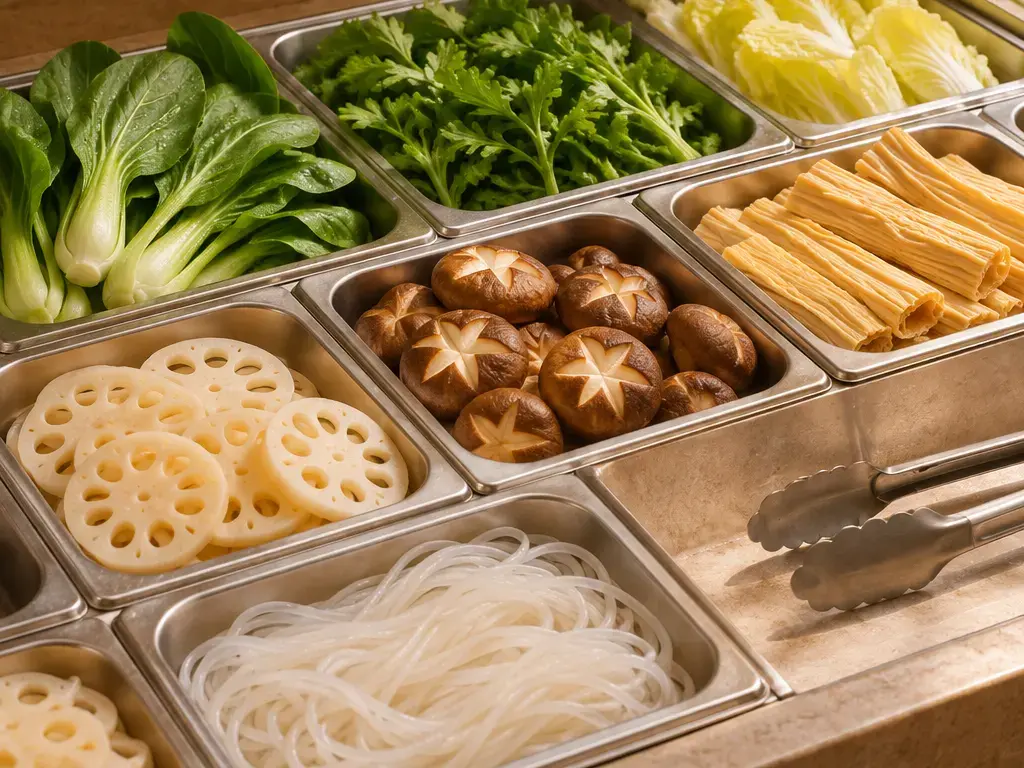
The first thing you get at a build-your-own malatang shop might be a pair of tongs. Grab a bowl, walk along the counter, and pick what you want to eat. There may be bundles of greens, sliced lotus root, tofu skin, fish balls, mushrooms, ribbons of beef and more noodles than you can name. At a shop that charges by weight, the cashier weighs the bowl before it goes to the kitchen. Then you choose a soup base and, if the shop offers it, a heat level. What comes back is dinner, ready to eat.
That set-up explains why a dish with a name some English speakers have never heard can work so well in a new market. The customer can see the ingredients, start with food they recognize and try one unfamiliar thing at a time. If the friend beside you wants lots of beef and a full hit of Sichuan peppercorn, you can both get what you want without spending the first ten minutes of dinner negotiating one shared broth.
In English, look for malatang, mala tang, or ma la tang. The Chinese name is 麻辣烫 (málàtàng). Má refers to the tingling sensation associated with Sichuan peppercorn, là is chile heat, and tàng evokes heat or scalding. Some shops use the name for the whole build-a-bowl format, so their menu may also offer mushroom, tomato or other milder broths. Read the options at the counter. The label on the storefront says less about the actual bowl than the broth you choose.
What the 2026 evidence actually says
Tastewise put malatang in its 2026 food and beverage forecast and reported that consumer interest was up 88% year over year in its tracking, with restaurant menu mentions up 50%. Those are two different measures from a commercial trend report. A mention on a menu does not tell you how many bowls a restaurant sold. Consumer interest is also a signal, with its own coverage and measurement limits, rather than a count of diners. The figures give us a reason to look more closely at the format. They do not establish the size of a world market.
South Korea gives the trend a more concrete setting. In September 2026, The Korea Times reported that the Korean malatang franchise Tanghuo Kungfu recorded 25.5 billion won in sales the previous year, nearly three times its 2022 figure. That is one company’s performance. The same story described Korean food companies applying mala seasoning to foods outside the classic bowl, including a local soup-and-rice chain. A separate July 2026 Korea JoongAng Daily commentary traced how the dish had become established in Korea over more than a decade.
Put those observations side by side and there are two developments worth separating. One is malatang as a restaurant format. The other is mala as a flavor that can show up in a noodle cup, a creamy sauce or a local dish. A diner may encounter the seasoning long before they visit a malatang counter. And someone who loves the restaurant format may order a mild soup every time. The two trends can reinforce each other without turning into the same thing.
There is another clue in the way the counter works. Part of the experience happens before anyone sits down. You can see ingredients and compare textures in a way a list of add-ons rarely allows. That makes the ordering process easy to show in a short video. It also makes it repeatable in ordinary life: the next time you go in, the menu can feel different just because you picked a different group of things. We see a better case for repeat visits in that flexibility than in a stunt built around the hottest possible broth.
Malatang, hot pot and dry pot on the same menu
At a typical tabletop hot-pot meal, a pot of broth sits on the table and diners add ingredients as they go. It gives you control over when a slice of beef or a leaf of cabbage comes out, and it turns cooking into part of the meal. With malatang, the kitchen normally takes care of the cooking and sends the finished bowl to you. You can still choose the ingredients and often the soup base. The handover happens at the counter, leaving you free to eat when the bowl arrives. Shops vary in their exact service, especially where the names overlap.
If you see 麻辣香锅 (málà xiāngguō) or a menu entry translated as mala dry pot, expect your picks to come back tossed with seasonings and aromatics rather than swimming in soup. The list of possible ingredients may look familiar. What changes is how you eat them: slick noodles or tofu skin in broth are a different meal from the same ingredients coated in a concentrated seasoning. Ask whether the dry option uses the same spice scale. The two sauces may be made differently, and a level marked mild on one dish tells you little about the other.
Similar English labels can describe different dishes. Dry malatang, for example, may refer to ingredients finished in a dressing at one shop and a separately stir-fried dry pot at another. A useful question at the register is simply whether the bowl comes with broth, and whether the ingredients are simmered or tossed. If you want a meal with a friend that lasts an evening, a tabletop pot can make sense. If you have half an hour for lunch and want one bowl to yourself, malatang has an obvious advantage.
How to build a first bowl
Start with a few ingredients you would happily eat together in soup. A bowl of napa cabbage, tofu skin, oyster mushrooms and a small bundle of noodles gives you several textures without making the broth hard to taste. Thin beef or another protein can make it a bigger meal. Lotus root gives you a firm bite, while napa cabbage softens and carries broth. Tofu skin has a slight chew and a lot of surface area for seasoning. Put a little of each in the bowl before deciding whether you need a second handful.
A noodle counter can be more confusing than a spice chart. Some glass noodles are thick and springy, and some are thin enough to tangle around everything else in the bowl. Wheat noodles have a different bite. A single portion is a good place to start. If the same noodle comes both loose and in tied bundles, ask the person working the counter how much one bundle becomes when it is cooked. That tells you more about the size of your lunch than the diameter of the little bundle in the tray.
Then think about the weight. A lot of vegetables can look airy until you add dense fish balls, thick noodles and several slices of meat. Read the price unit on the board before you fill the bowl. A shop may quote a price per 100 grams, per pound or use fixed prices for some ingredients. Ask whether there is a minimum weight and which items are priced separately. If there is a customer scale, weigh your picks before reaching for one last big scoop. No need to guess how the whole thing adds up at the till.
A small bowl is also a useful way to try an ingredient you cannot identify. Ask what it is and whether it contains meat, seafood or something else you avoid. For an allergy or other strict restriction, tell staff before ordering and ask them to check the broth, prepared items and shared utensils. Choosing all vegetables from a self-serve counter tells you what you picked. It leaves the base, seasoning and kitchen handling to confirm with the shop.
Choose the broth before you chase the heat
If you already enjoy Sichuan peppercorn, try a mala broth at the low end of the shop’s scale. If you are curious about the seasoning but uncertain about the intensity, ask whether you can have less chile and still taste peppercorn. That request only works if the shop prepares them separately. A premixed base may give staff just one knob to turn. You can always ask whether a milder broth with a little seasoning on the side is an option.
Taste the broth before adding extra chile oil or other condiments. The tingle can take a few bites to become noticeable, and a piece of tofu skin soaked in the broth can feel stronger than the first spoonful. Trying a bite of greens or noodles also tells you how well the flavor works beyond the surface of the soup. If the broth is more assertive than you expected, eat it with the ingredients a little at a time rather than treating the bowl like a heat challenge. You came for lunch.
A creamy-looking broth is worth asking about. Some shops use a rich base or a sesame-style seasoning, while others offer a tomato or mushroom option. The color alone will not tell you how spicy it is or what went into it. Ask what gives it its color and body if that matters to you. Ingredients also differ in how they carry broth. Greens and tofu skin pick up quite a bit of liquid, whereas a piece of lotus root will give you a cleaner break between one spoonful and the next.
Three bowls to order on different days
For a first visit, take napa cabbage, tofu skin, an oyster mushroom or two, one kind of noodle and a few slices of beef if you want them. Order the lowest mala level that still comes with peppercorn. Leave extra seasonings to the end. You will have enough familiar ingredients to tell whether you like the broth itself. Next time, keep the broth the same and swap in lotus root or a new noodle. Changing one item makes the difference much easier to notice.
For a lighter lunch, pick a bigger share of greens and mushrooms, a modest noodle portion and whatever protein suits you. A clear or tomato-style base, where available, can put the vegetables in the foreground. If you enjoy the broth more than the heat, there is no reason to force a spicy choice for the sake of the dish name. If you do want mala, try a little and see how the bowl tastes once the greens have soaked it up.
For a meal that stays concentrated to the last bite, try the dry option with ingredients that pick up a coating: tofu skin, lotus root, mushrooms and a small amount of chewy noodles. Ask how the shop finishes its dry version before you choose it. If the cook uses a particularly strong seasoning, you might want plain rice with it or a milder order. That also makes a useful side-by-side comparison the next time someone at the table orders soup.
What to watch beyond the hype
The test of this trend is what happens on a second visit. Was the price clear when you picked up the tongs? Did the mushrooms, noodles and meat come out with distinct textures? Can someone at the same table order a milder bowl and have just as good a lunch? Those are small questions, but they matter once the novelty of a new shop wears off. A counter that makes the choices easy can work even when no one has a camera out.
Watch for local variations as well. The Seoul story shows how a Chinese flavor can move into familiar local formats. A city with a different lunch culture might respond to another part of the dish, from the speed of service to the choice of noodles. It is useful to check actual menus and local reporting before calling any one version standard. On your first visit, start with the broth you want, pick a bowl you can finish and ask how the shop measures it. The rest is worth discovering one ingredient at a time.
Sources & further cooking
The forecast measures interest and menu mentions. The Korean reporting tracks how the format and flavor have spread, and the sample menu shows how one shop handles ordering.