Rice, flour & baking
Rice Flour vs Glutinous Rice Flour: Which Bag Do You Need?
For rice flour vs glutinous rice flour, buy the type your recipe names. Regular rice flour is ground from non-glutinous rice; glutinous rice flour is made from sticky rice, also called sweet rice. The second gives cooked dough a stickier, chewier quality, so the two are not a casual one-for-one swap. Sweet rice flour is another name to recognize in the sticky-rice family. Glutinous describes texture, not wheat gluten, though you should still check the exact product and the rest of the recipe for dietary needs.
Both bags can hold fine white powder. Looking at a bowl of flour will not reliably tell you which one you bought. Read the full name, then check any brand or milling notes in the recipe before you start adding water.
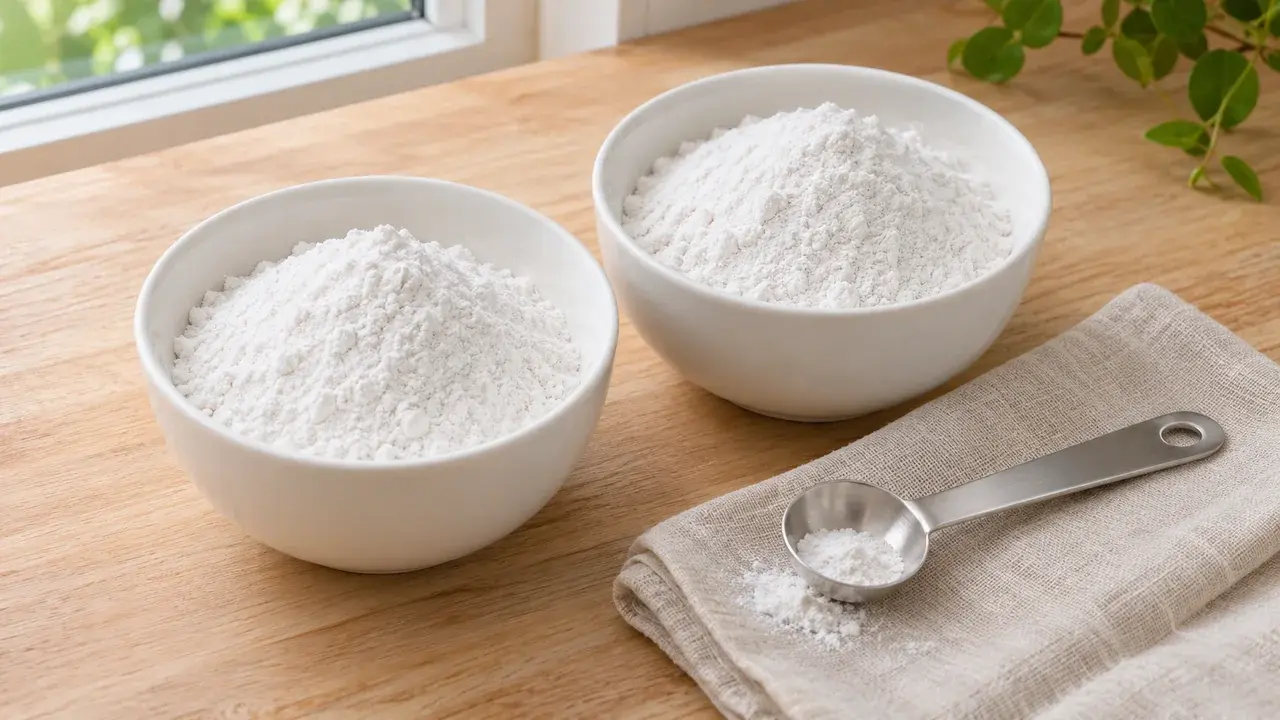
At a glance: the flour choice changes the texture
| What to check | Regular rice flour | Glutinous / sweet rice flour |
|---|---|---|
| Rice type | Non-glutinous rice | Sticky rice, also called glutinous or sweet rice |
| Cooked texture to expect | Soft or structured according to the recipe, without the same sticky chew | Sticky, chewy texture in recipes designed for it |
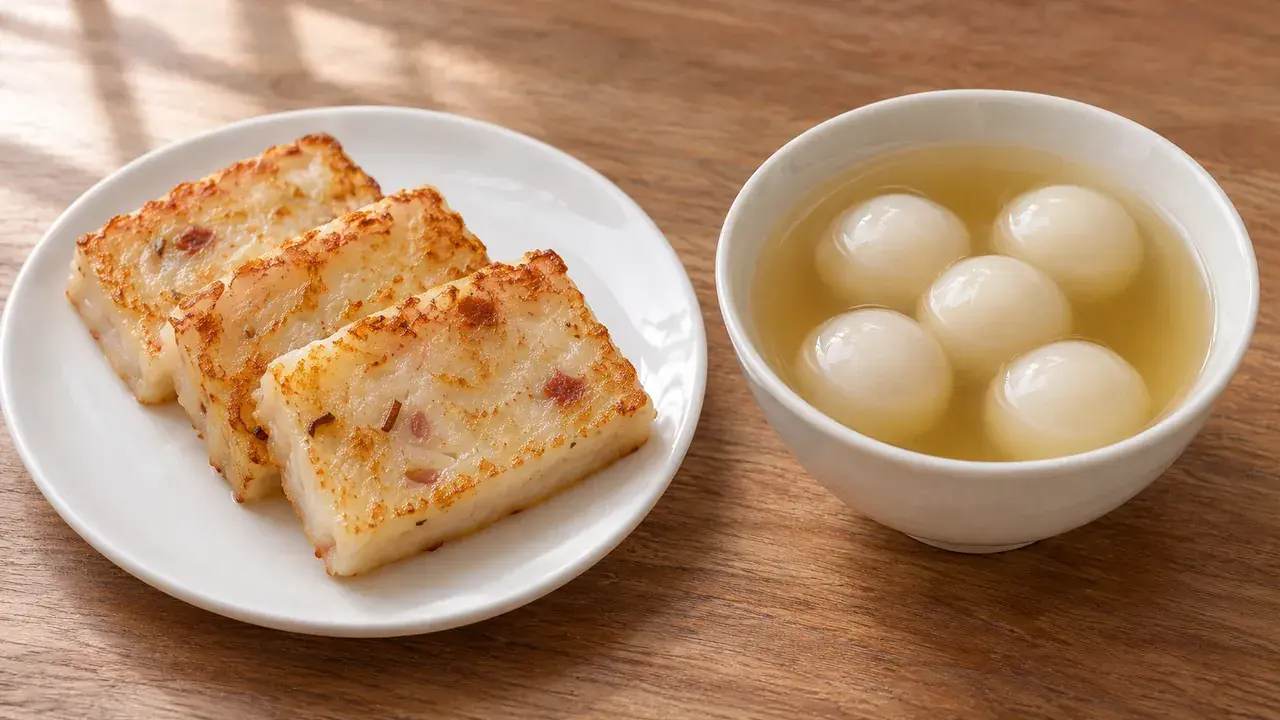
| Documented Chinese uses | Rice noodle rolls and turnip cake | Tang yuan, sesame balls, and sweet New Year rice cakes |
| Does the name imply added sugar? | No; check the product | Sweet names the rice style, not a sugar addition |
| Can the other flour replace it? | Not automatically | Not automatically |
| What else matters? | Recipe-specific grind, milling, and flour blends | Recipe-specific grind, milling, and flour blends |
These are ingredient families, not complete recipes. A recipe may combine rice flour with other starches or ingredients to get a particular result. Swapping only one powder can change how that whole mixture behaves, even when both bags seem to describe rice.
What is regular rice flour?
Regular rice flour is the ordinary-rice option. On Chinese packages, you may see 米粉, 粘米粉, or 大米粉 alongside the English name. The Woks of Life's grain-and-flour glossary distinguishes it from flour made with glutinous rice and lists turnip cake and homemade rice noodles among its uses.
That distinction matters more than the white color of the powder. The Woks of Life's turnip-cake recipe specifically calls for regular rice flour and warns that using glutinous flour changes how the cake sets. If you are making that recipe, buying a flour with the word rice on the front is not enough.
A turnip cake is also an example of why the finished dish cannot be predicted from the flour name alone: the recipe combines flour with radish, liquid, starch, and other ingredients. Our dim sum vs dumplings guide explains where foods like turnip cake fit into a meal. Here, the question is which bag the cook needs before making it.
What is glutinous rice flour?
Glutinous rice flour is nuòmǐ fěn (糯米粉, sticky-rice flour). It is made from glutinous rice, which is also sold as sticky rice or sweet rice. In recipes designed for it, the cooked dough has the sticky, chewy quality people associate with foods such as tang yuan, the smooth rice balls often served in a sweet soup.
Healthy Nibbles' rice-flour guide explains the texture difference and uses tang yuan as an example. The Woks of Life lists sesame balls, snow-skin mooncakes, and sweet New Year rice cakes among its glutinous-flour uses. Those are useful clues when reading a recipe, but they do not make every food called a rice cake the same product.
In particular, sweet New Year cakes and the plainer rice cakes used in some stir-fries can use different flour choices. Read the recipe you plan to make. A familiar dish name is a starting point, not permission to replace every flour listed with glutinous rice flour.
Does sweet rice flour contain sugar?
The word sweet is an ingredient-name clue, not an instruction to reduce the sugar in a dessert. Bob's Red Mill's Sweet White Rice Flour page, for example, says the flour is milled from sticky rice and is not sweet like sugar. Its ingredient listing names sweet white rice. The company sells White Rice Flour as a separate product.
That example is useful even if you buy a different brand: read the entire product name. White rice flour and sweet white rice flour can sit near each other and still be different purchases. If a package is a prepared dessert mix rather than plain flour, check its full ingredient list instead of relying on this naming rule.
Likewise, the word glutinous does not mean wheat gluten. For gluten avoidance or an allergy, choose a product with labeling appropriate to your needs and check fillings, sauces, and any other ingredients separately. A sticky-rice wrapper does not establish the suitability of the whole dish.
Why two sweet-rice flours may still behave differently
Once you have identified the rice type, there can be another difference to check: how the flour was milled. Lisa Lin's Healthy Nibbles guide explains wet-milled and dry-milled rice flours and describes why their textures and behavior in dough can differ. Those details matter when a recipe names a particular product.
Mochiko is a Japanese sweet-rice flour, so it belongs in the sticky-rice discussion. It is not ordinary rice flour. But recognizing the rice family does not guarantee that mochiko and another glutinous flour will perform identically in every recipe. Healthy Nibbles discusses this specifically and advises following recipe-specific substitution guidance.
You do not need to turn a grocery trip into a milling lesson. If the author identifies a brand, a grind, or a wet-milled flour, keep that information with the ingredient name. If you cannot find it, look for the author's alternative rather than assuming that the closest English label settles the question.
Can you substitute one rice flour for the other?
Do not use a universal one-for-one rule. The rice type affects the result, and milling or a recipe's starch blend may add another difference. Weighing the replacement accurately does not make a different ingredient behave the same way.
- Making tang yuan or another chewy sticky-rice dough? Use the glutinous flour named by that recipe. Regular rice flour does not simply become the same ingredient when you add more water.
- Making a recipe that explicitly calls for regular rice flour? Follow that instruction, especially when the author warns against glutinous flour. Turnip cake is a documented example where the choice matters.
- Holding a bag of mochiko? Find a recipe written for mochiko or check the author's specific substitution notes. Same rice family does not automatically mean the same hydration or handling.
- Trying to rescue a batter after using the wrong bag? Check the recipe author's troubleshooting advice. Repeatedly adding flour, water, or starch without knowing what changed can take the mixture farther from the original formula.
Brown rice flour is another product choice rather than a universal substitute for white rice flour in a Chinese steamed dish. Healthy Nibbles notes that it brings a different texture. If that is the flour you want to use, choose a recipe that accounts for it instead of borrowing a conversion from an unrelated cake or bread.
Whole sticky rice, rice flour, and noodles are separate purchases
If you are cooking whole grains, keep the word flour in view. Sticky rice stuffing uses grains, not a bag of sticky-rice powder. Our Chinese Thanksgiving dinner guide discusses that whole-rice side dish. Buying glutinous rice flour will not give you the same ingredient in a finer package.
Finished rice noodles are another form again. Our glass noodles vs rice noodles guide is for choosing a noodle product and reading its ingredient list. A noodle recipe may use rice flour, but choosing noodles for dinner and choosing flour for homemade dough are different shopping decisions.
Before you cook
- Match the complete flour name in the recipe, including regular, glutinous, sweet, or mochiko where specified.
- Check any brand, grind, milling, or blend notes before deciding that another bag is equivalent.
- Use the written label rather than a bag-color shortcut. A color convention on one product line is not a substitute for reading another package.
- For dietary needs, read the full ingredient information and relevant labeling on the exact product. Check the complete dish as well.
The FDA advises checking ingredient information every time you buy a product. It also notes that US precautionary statements about possible allergen cross-contact are voluntary. If you need information the package does not provide, ask the manufacturer rather than treating a missing warning as a guarantee.
Follow the package and recipe cooking directions. The FDA identifies most flour as a raw food and advises against eating or tasting raw flour, dough, or batter. The word rice on the bag does not make a raw mixture ready to eat.
For other ingredient and menu questions, the Chinese food guide connects the dish guides with the shopping decisions behind them. For this purchase, keep the full flour name with the recipe until the right bag is on the counter.
Frequently asked questions
Are rice flour and glutinous rice flour the same?
No. Regular rice flour is made from non-glutinous rice, while glutinous rice flour is made from sticky rice. They behave differently in dough and cooked dishes, so do not assume a one-for-one substitution.
Is sweet rice flour the same as glutinous rice flour?
Sweet rice flour is a name used for flour made from sticky or glutinous rice. Still check the exact product and recipe: milling and other product differences can affect how two sweet-rice flours behave.
Does glutinous rice flour contain gluten?
Glutinous describes the sticky quality of the rice, not wheat gluten. For gluten avoidance, check the exact product's labeling and the other ingredients in the recipe, including any fillings or sauces and relevant cross-contact information.
Can I replace regular rice flour with glutinous rice flour?
Not automatically. The sticky-rice flour changes texture, and some recipes specifically warn against that substitution. Follow the author's alternative or choose a recipe written for the flour you have.
Can mochiko replace another glutinous rice flour?
Sometimes a recipe provides a way to do that, but there is no universal swap. Mochiko is a sweet-rice flour, and milling differences can affect dough texture and liquid needs. Use recipe-specific guidance.
Can glutinous rice flour replace whole sticky rice?
No. The flour is a powder, while whole sticky rice consists of grains. A whole-rice dish such as sticky rice stuffing needs the ingredient form specified by its recipe.
Sources
- Healthy Nibbles: A Guide to Rice Flour in Asian Cooking
- The Woks of Life: Rice, Grains, Flours and Starches
- Bob's Red Mill: Sweet White Rice Flour
- Bob's Red Mill: White Rice Flour
- The Woks of Life: Turnip Cake (Lo Bak Go)
- FDA: Flour Is a Raw Food and Other Safety Facts
- FDA: Have Food Allergies? Read the Label