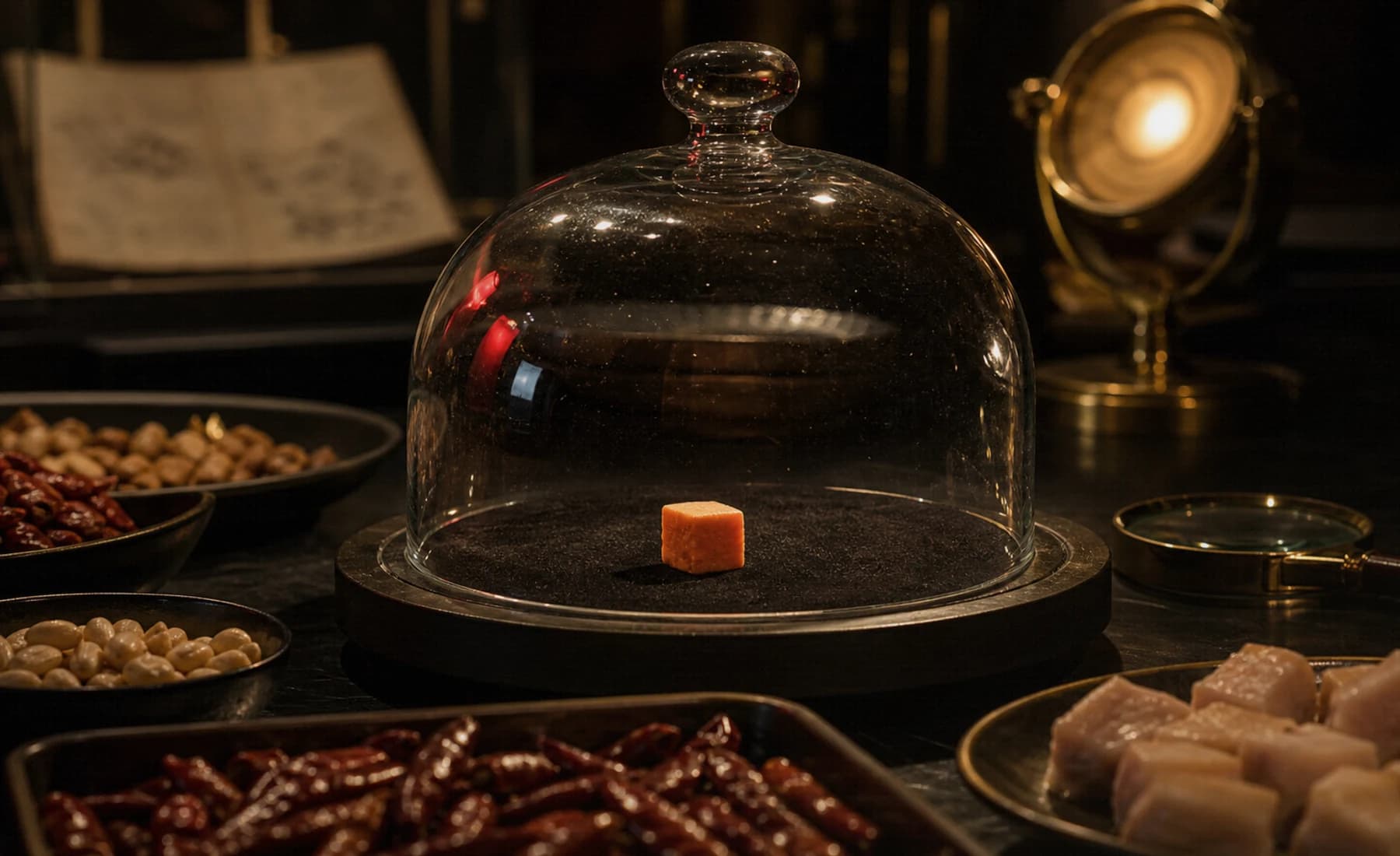
Water, sweetness, and visual chaos
Carrots are not evil. They are simply wrong for this particular drama. Their water content, sweetness, and hard orange visual signal pull the dish away from dried chili, peanut, and glossy brown-red sauce.
In a stir-fry built around fast heat and compact bites, carrot often arrives like an uninvited motivational speaker.
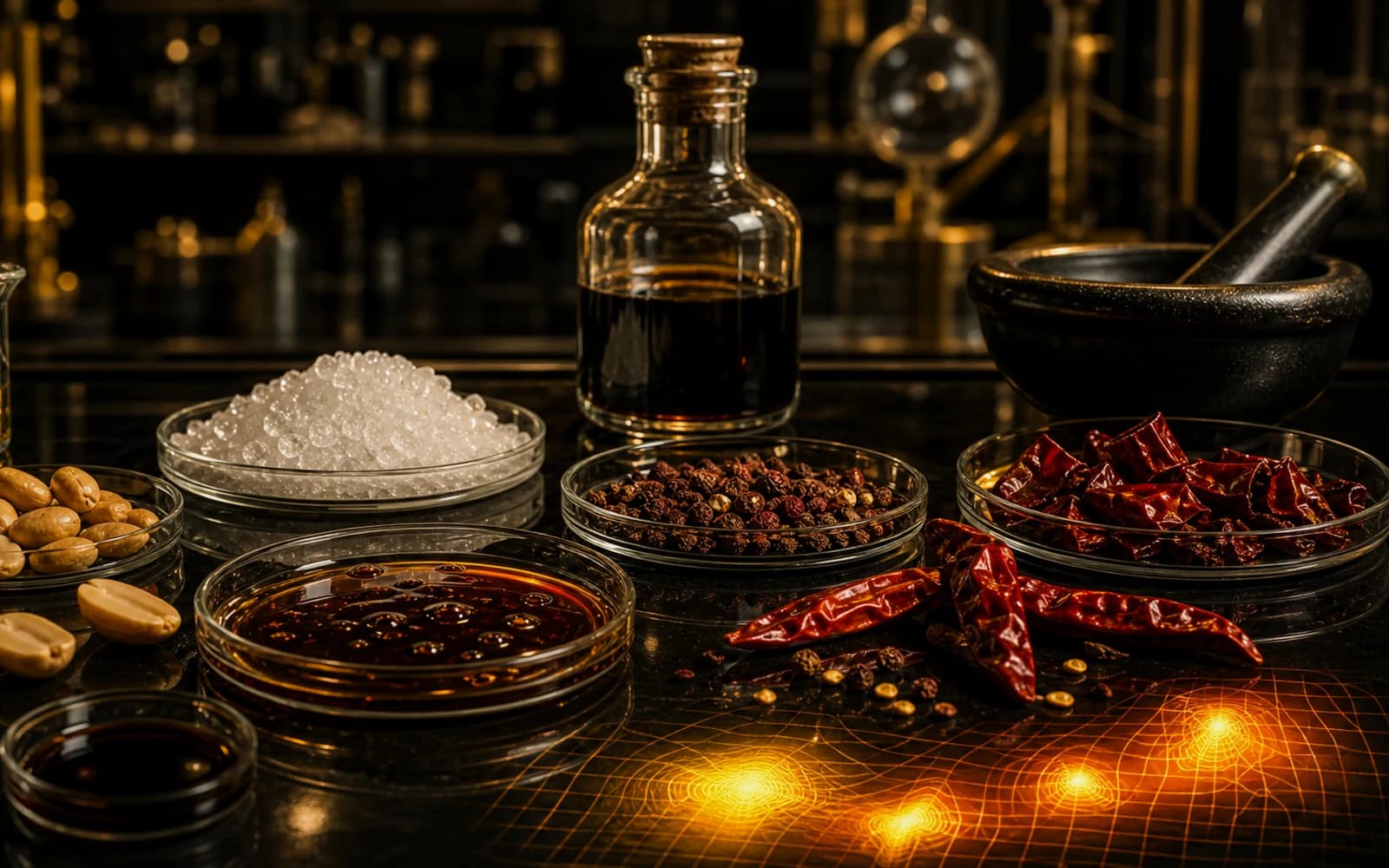
The meme value
The carrot taboo is useful because it gives users something to argue about immediately. Is the Order too strict? Obviously. Is the carrot still suspicious? Also obviously.
That tension is the site's comic engine: a small culinary disagreement treated like a supernatural breach.
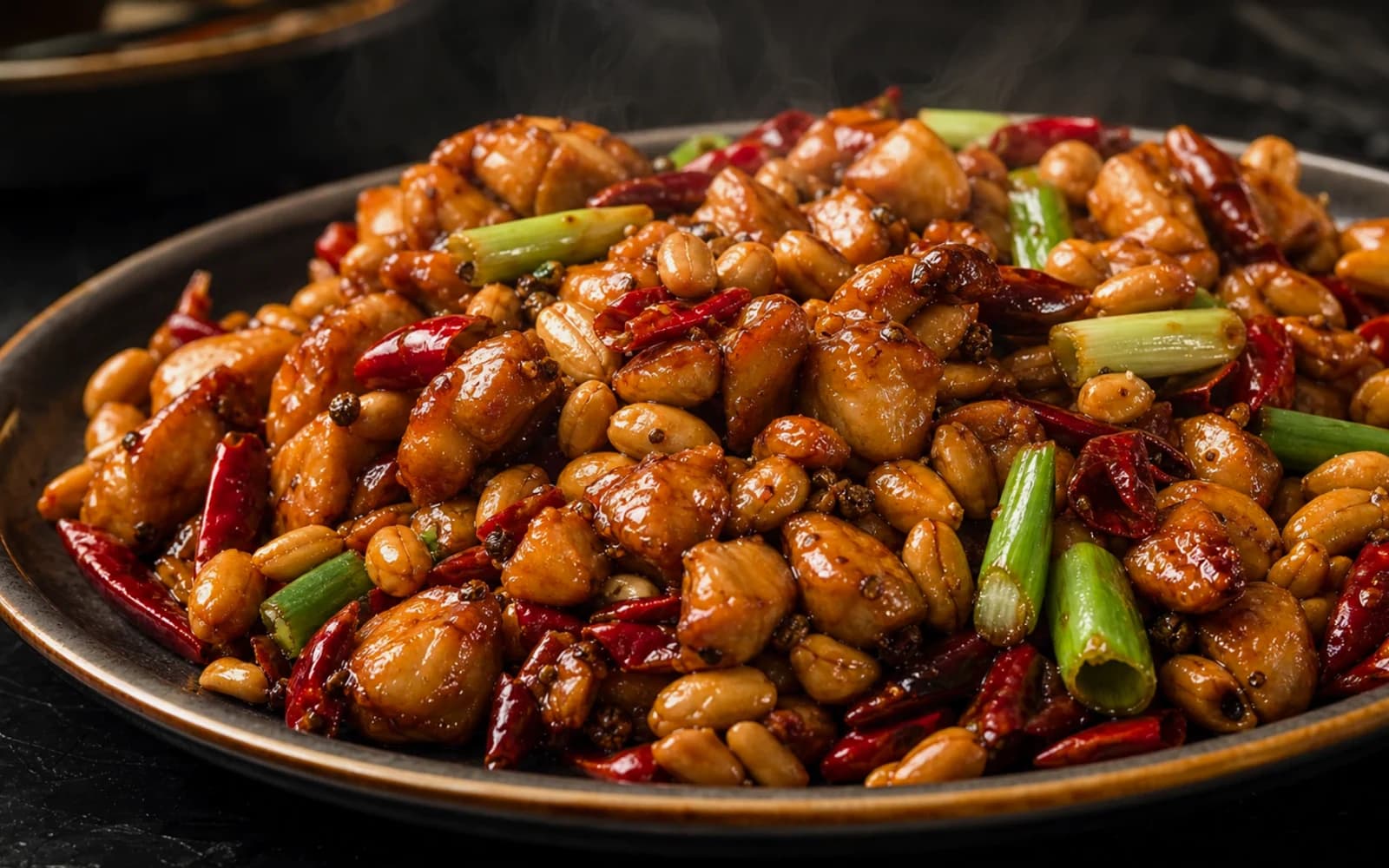
Orange is too loud
Kung Pao Chicken already has a color system: dark red chilies, brown gloss, pale peanuts, green scallion, and the quiet beige of properly cooked chicken. Carrot barges into that palette with emergency-vest confidence.
The objection is not purism for its own sake. Visual expectation changes taste. If the plate looks like a generic mixed vegetable stir-fry, the mind starts reading it that way before the first bite arrives.
Texture enters the wrong meeting
A carrot cube can be crunchy, but it is the wrong kind of crunch. Peanut crunch is roasted, dry, and brief. Carrot crunch is watery and sweet, a fresh snap that redirects the sauce toward lunchbox territory.
That redirection matters because Kung Pao's best textures are compact and rhythmic. Chicken yields, peanut cracks, chili perfumes. Carrot adds a fourth voice that insists it has slides.
The tribunal remains theatrical
None of this means a carrot version cannot be edible. Many unauthorized things are edible. The Archive's point is classification, not police action. If a kitchen wants carrots, it may proceed under a different flag.
The Order simply asks the public to notice what changed. Once the orange object appears, the dish is no longer just a variation. It is a witness with suspiciously clean shoes.