Geometry is flavor
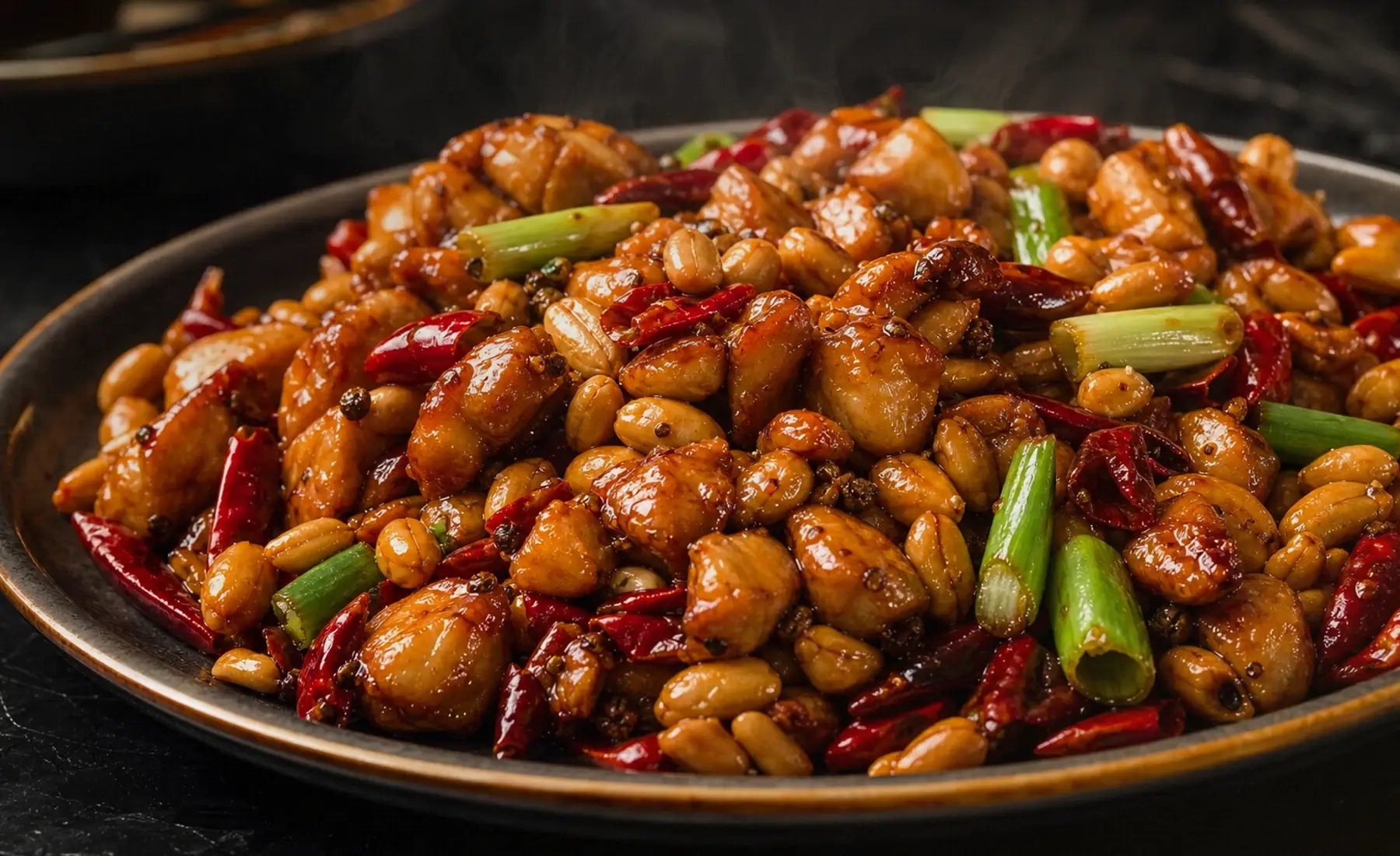
The cube is not decorative. In a fast stir-fry, shape controls cooking speed, marinade contact, sauce cling, and the rhythm of the bite. Strips turn the dish into a different experience. Shreds surrender too quickly. Giant chunks make the wok wait.
A good cube lets the surface brown while the center stays tender. It also makes the peanuts feel intentional rather than randomly dropped into a chicken situation.
Order interpretation
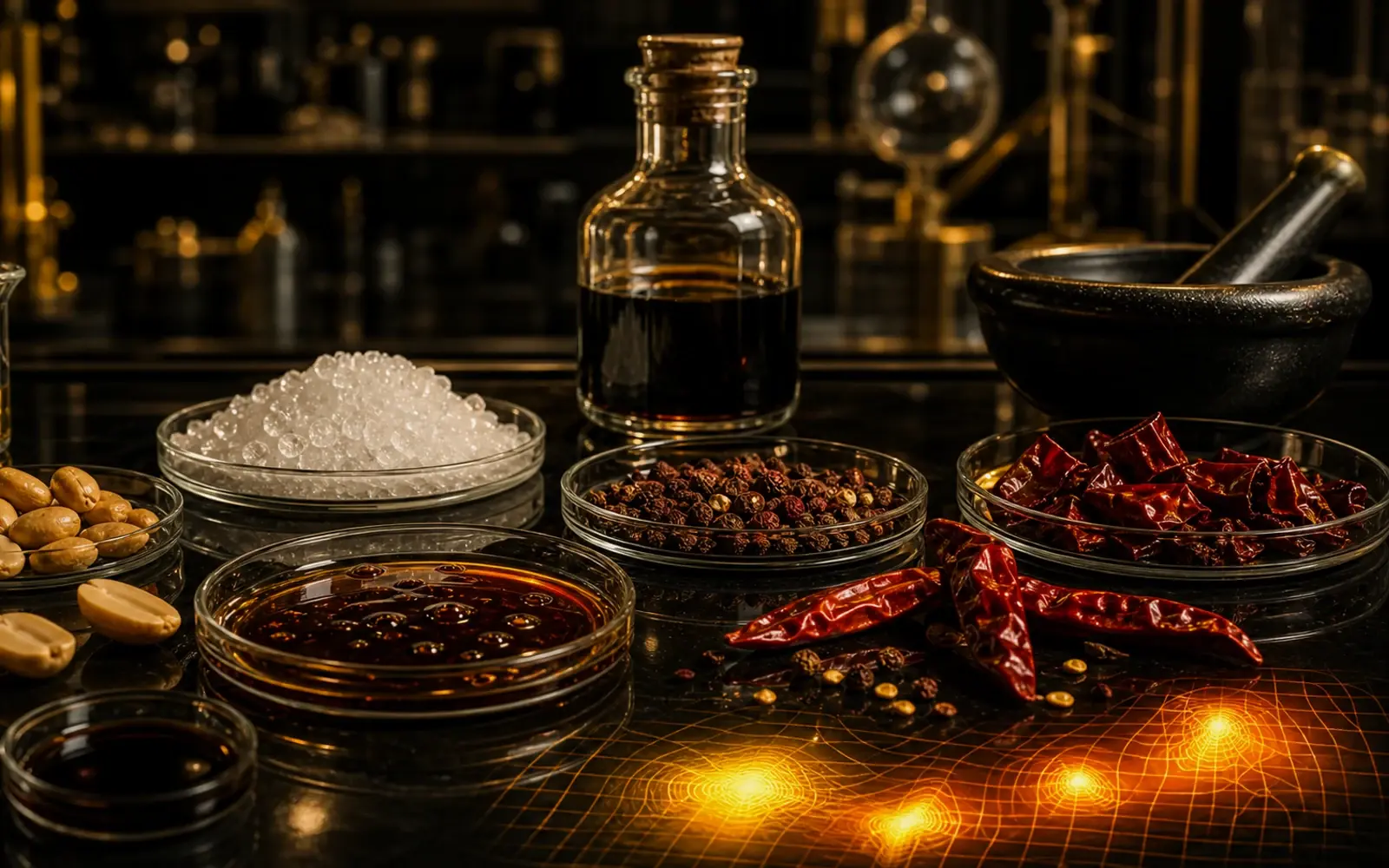
The Order's 1.5cm doctrine is a comic exaggeration of a serious point: uniform cuts cook uniformly. Uniform cooking is what lets the sauce remain glossy instead of becoming rescue syrup.
When the dice are wrong, the entire protocol begins to wobble.
The marinade reaches every face
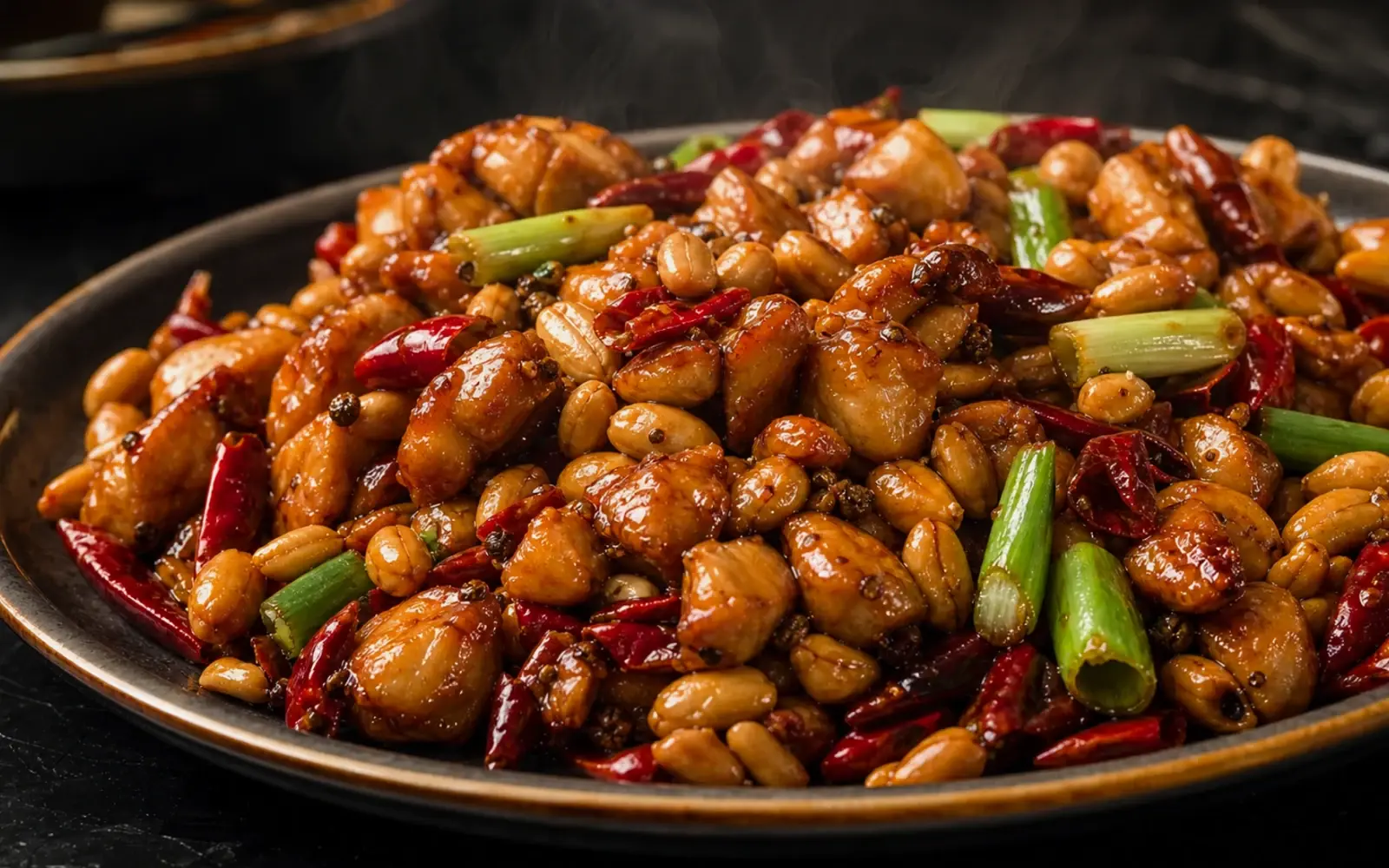
Diced chicken gives the marinade a fair negotiation with the meat. Each small face can catch salt, starch, soy, wine, or whatever disciplined kitchen is doing the work that day. The result is not a flavor pasted on at the end, but a bite that seems to have received instructions before entering the wok.
This is where sloppy cutting becomes visible. One cube browns, one chunk steams, one shard overcooks, and suddenly the plate feels like a committee report. The Order prefers consensus at knife point.
Sauce needs architecture
A Kung Pao sauce is not a soup. It needs corners, surfaces, and little ledges where gloss can settle. Cubes give it that architecture. They let the sauce cling without drowning the chicken, which is the difference between lacquer and panic.
The peanuts also benefit from the geometry. When chicken and peanut are similar enough in scale, the mouth reads them as a designed sequence: tender, crisp, hot, bright, gone. If the chicken is too large, the peanut becomes a garnish pleading for relevance.
The field ruler is imaginary but useful
No serious cook needs to carry calipers into dinner. The Order's ruler exists because comedy can protect a practical memory: keep the pieces close enough in size that heat can move through the dish evenly.
That is the whole file. The sacred dice are sacred only because they make everything else easier to believe. Good knife work lets the wok look like magic. Bad knife work makes the sauce explain itself.