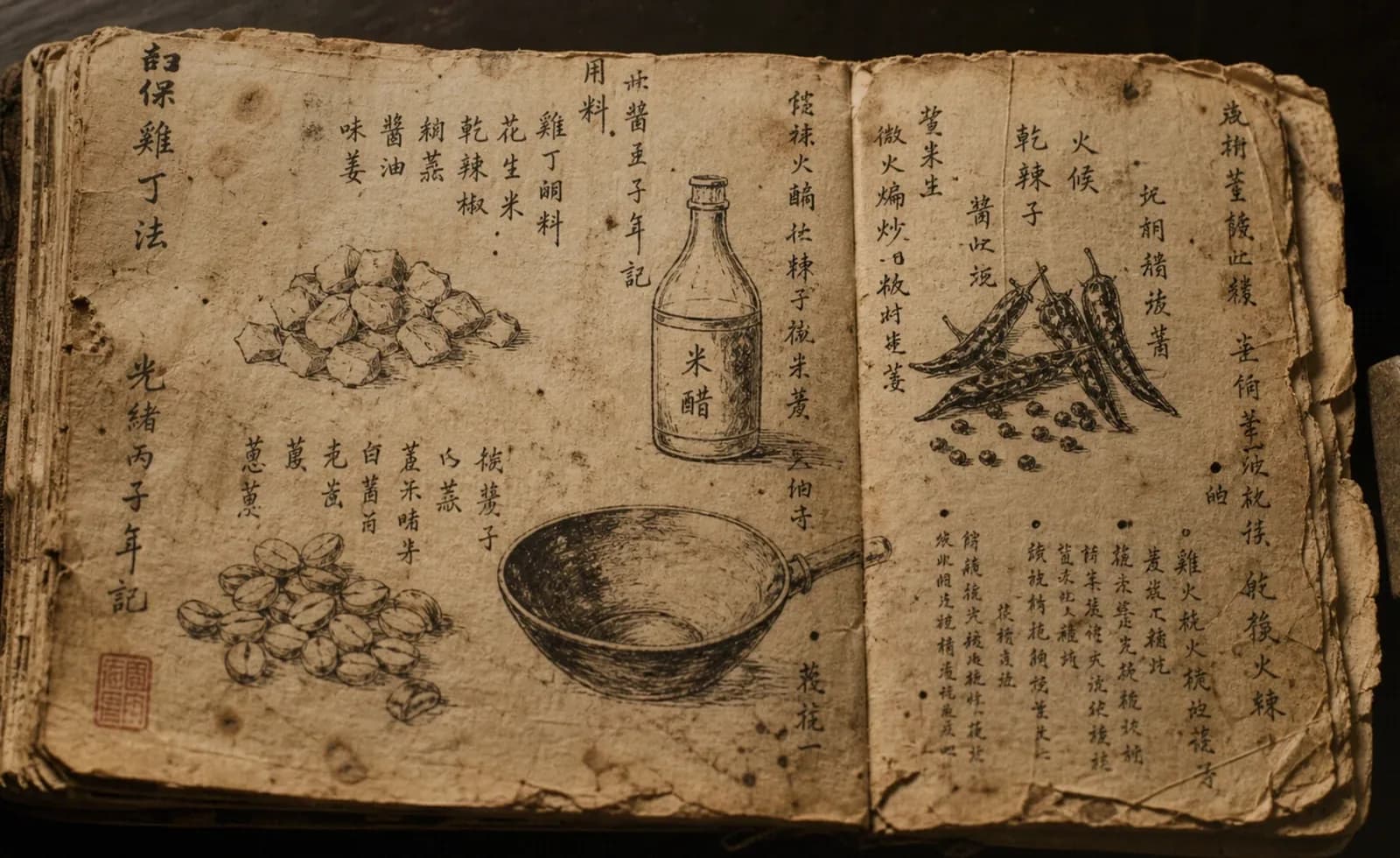
The name on the brass plate
Ding Baozhen was a Qing official, not a mascot invented by menu copy. Public biographical summaries place his birth in Guizhou in 1820, his service in Shandong, and his later governorship in Sichuan. The dish does not need every episode of his career to become edible history. It needs the name, the title, and the culinary memory that gathered around them.
The Order calls him the Taste Architect because the title Gong Bao sounds almost too ceremonial to survive ordinary dinner. That title is real enough to explain the name. The Architect language is ours, a velvet rope around a fact that was already strange and durable before WKPO lit the chandeliers.
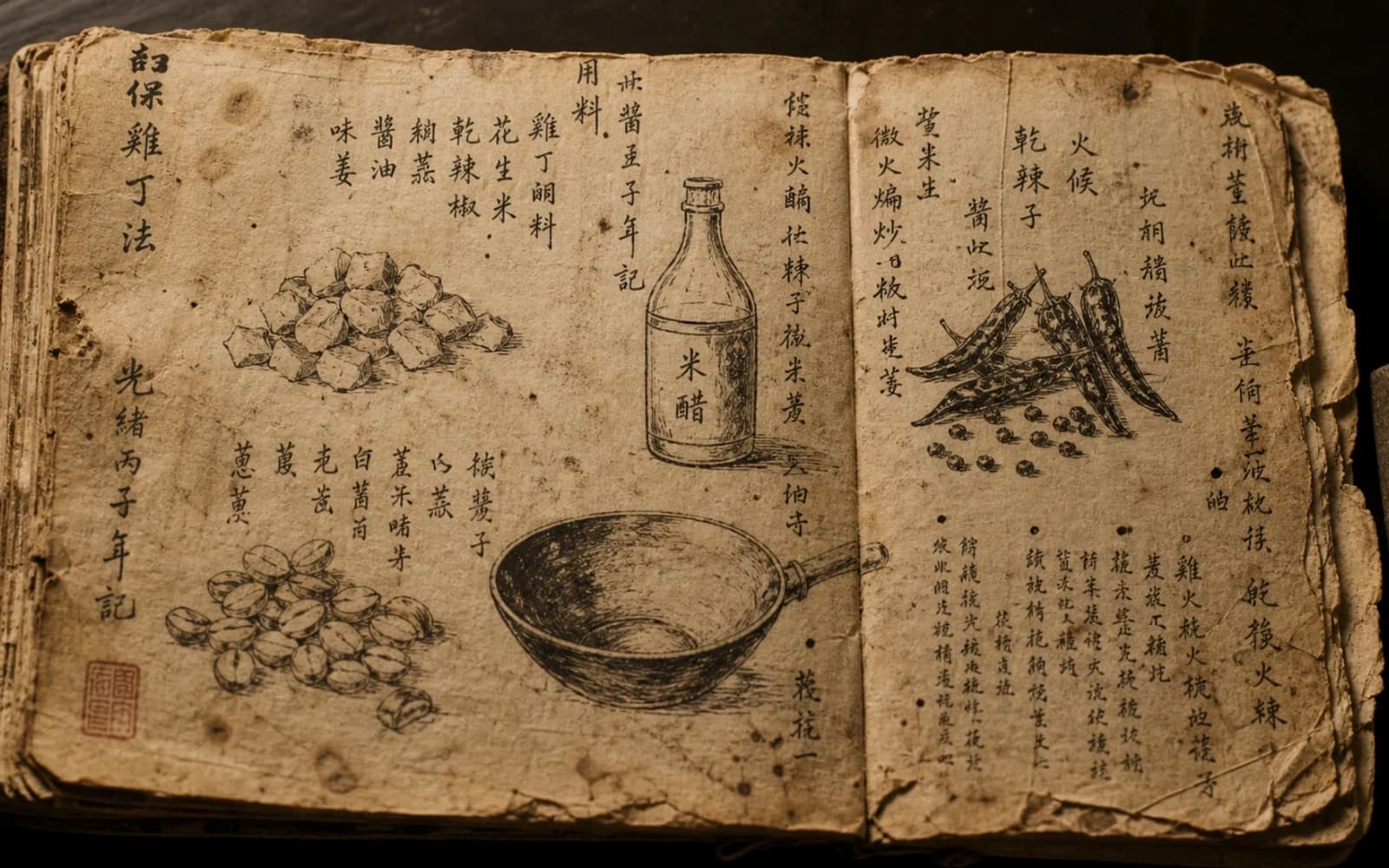
Biography with sauce on it
Food history is mercilessly selective. It does not preserve a whole life. It preserves the part a table can keep repeating. In Ding's case, that means a dish attached to honorific language, regional travel, and a set of flavors that made the name useful long after the bureaucracy around it disappeared from most people's memory.
That selectiveness is why source discipline matters. Ding should not be reduced to a cartoon founder holding a wok under moonlight. He also should not be evacuated from the dish until only ingredients remain. The better reading keeps the human anchor while admitting that legend has polished the metal.
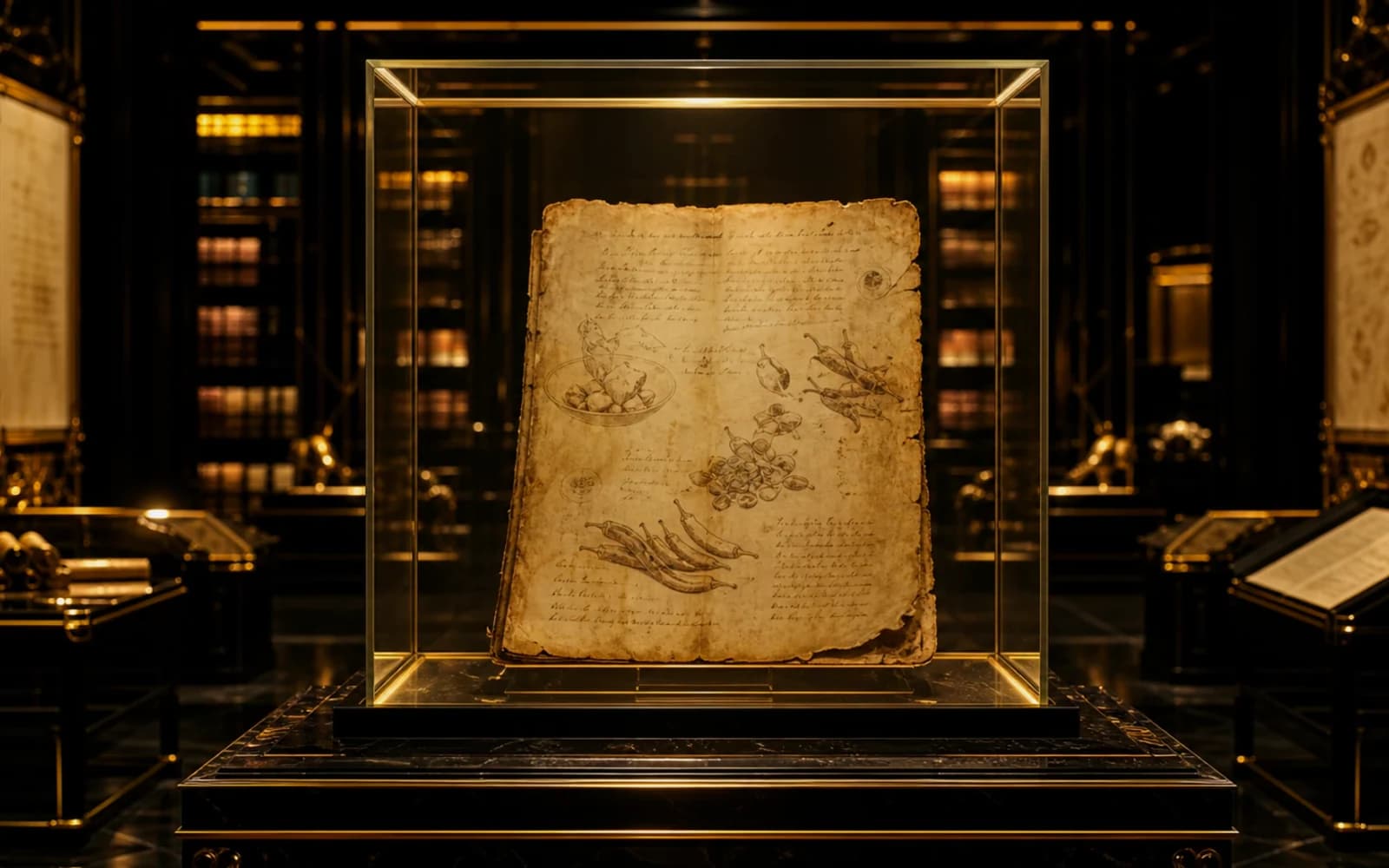
Shandong, Sichuan, and the useful tension
Many accounts place Ding in both Shandong and Sichuan, which is exactly why origin stories around the dish feel braided rather than clean. A Shandong household preparation can coexist with a Sichuan refinement story. One explains movement; the other explains the flavor identity that most modern eaters recognize.
The Order's archive does not need to flatten that tension. It needs to preserve it. Kung Pao Chicken is persuasive because it feels like a traveling file: carried by office, changed by region, sharpened by local taste, and eventually stamped into global restaurant language.
What the sources actually let us say
The cautious statement is stronger than the inflated one. We can say Ding Baozhen is the central named figure in common accounts. We can say Gong Bao refers to an honorific associated with him. We can say Sichuan versions made dried chili, Sichuan pepper, vinegar-sugar balance, and peanuts central to the dish's recognized form.
We cannot responsibly say a single surviving memo invented dinner at a precise hour. The Archive has no need for that kind of false thunder. The real thunder is better: a bureaucratic title became one of the world's most recognizable food names.
Why modern eaters should care
Ding matters because the name protects the dish from becoming anonymous spicy chicken. It gives the plate a paper trail, a regional argument, and a small ceremonial charge. That charge changes how people read the cubes, the peanuts, and the black-red gloss of the sauce.
This is the Order's preferred kind of history: not a dead fact pinned under glass, but a living pressure on the next bite. Once you know the title behind the name, Kung Pao Chicken stops being only familiar. It becomes familiar with a seal.