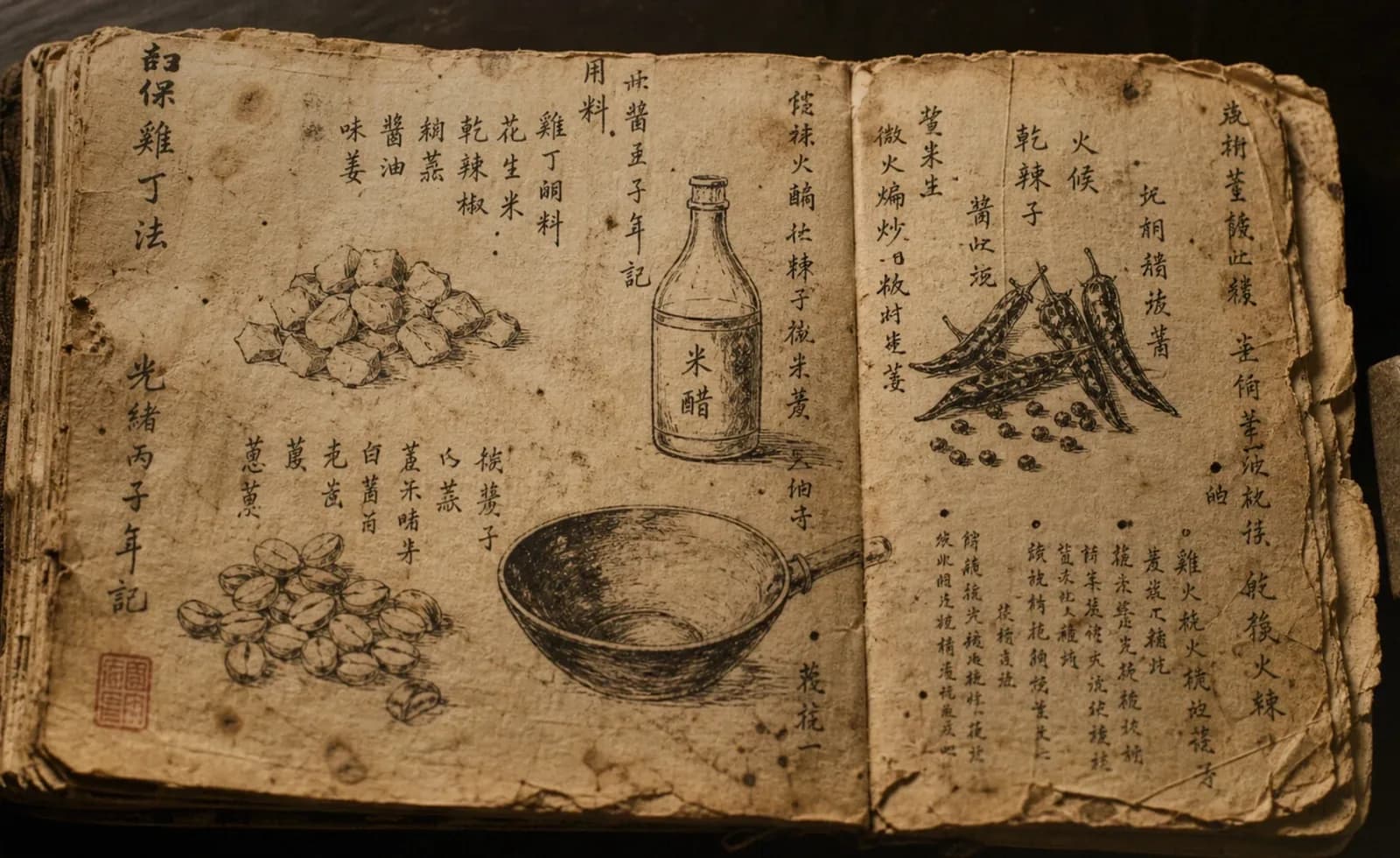
The route is the story
The Shandong-to-Sichuan line should be read as movement, not conspiracy. Ding Baozhen's official life gives the dish a believable route through regional memory: an earlier household or northern preparation, then a Sichuan chapter where the dish gained the voltage that made it famous.
That route is more useful than a fake single-origin thunderclap. Food rarely appears fully formed in a polished bowl. It follows people, borrows technique, meets local ingredients, and changes when a new pantry has stronger opinions than the old one.
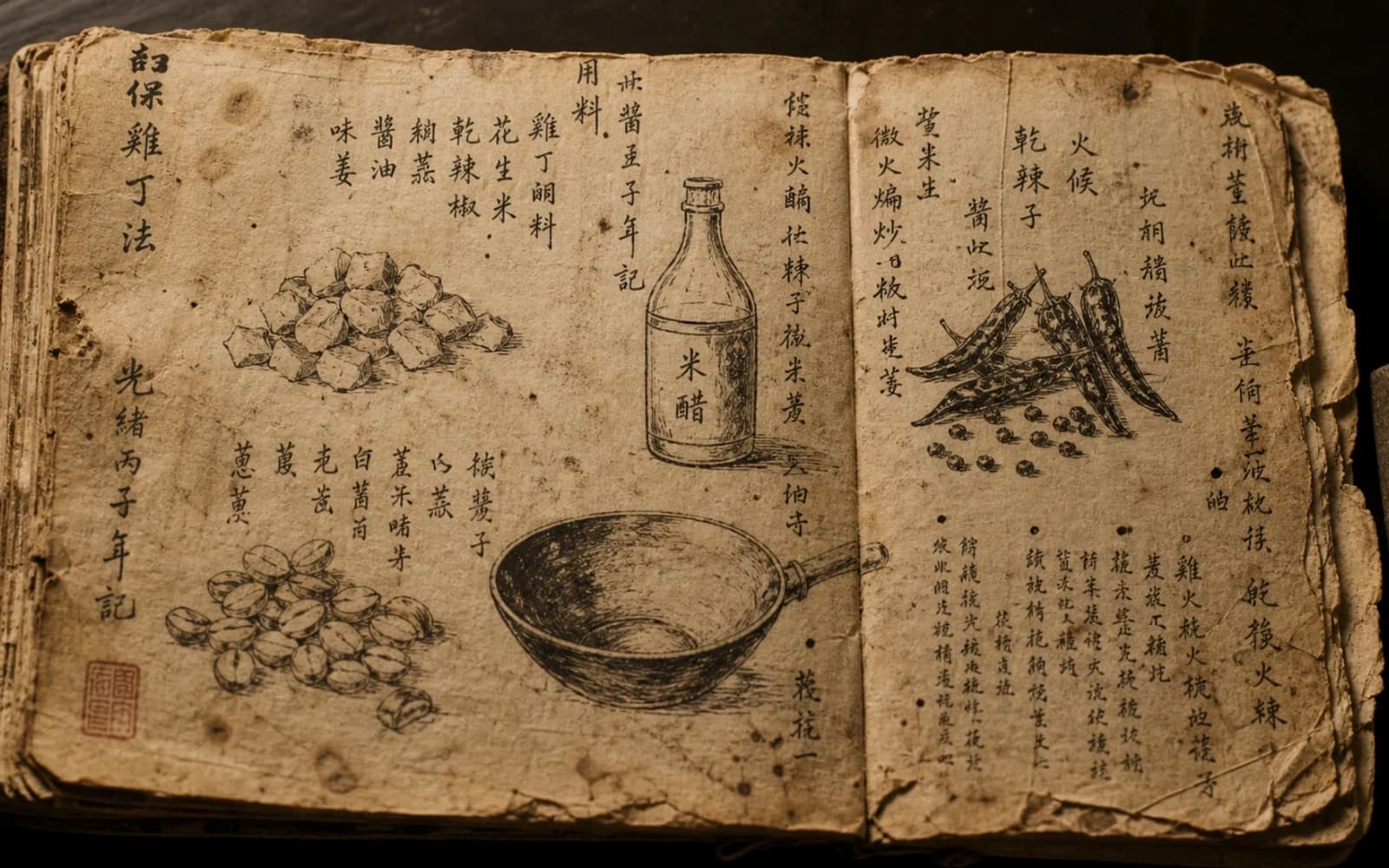
What Shandong contributes
In the origin file, Shandong contributes discipline: diced poultry, quick cooking, and the idea that a plate can be elegant without being elaborate. The northern shadow matters because Kung Pao Chicken is not chaos food. Even when the chilies arrive, the dish keeps a clipped rhythm.
The Order marks this as the first hinge. Without a disciplined base, Sichuan heat would have nowhere to perform. A dish built only on fire becomes a dare. Kung Pao Chicken survives because the fire enters a structure already tight enough to hold it.
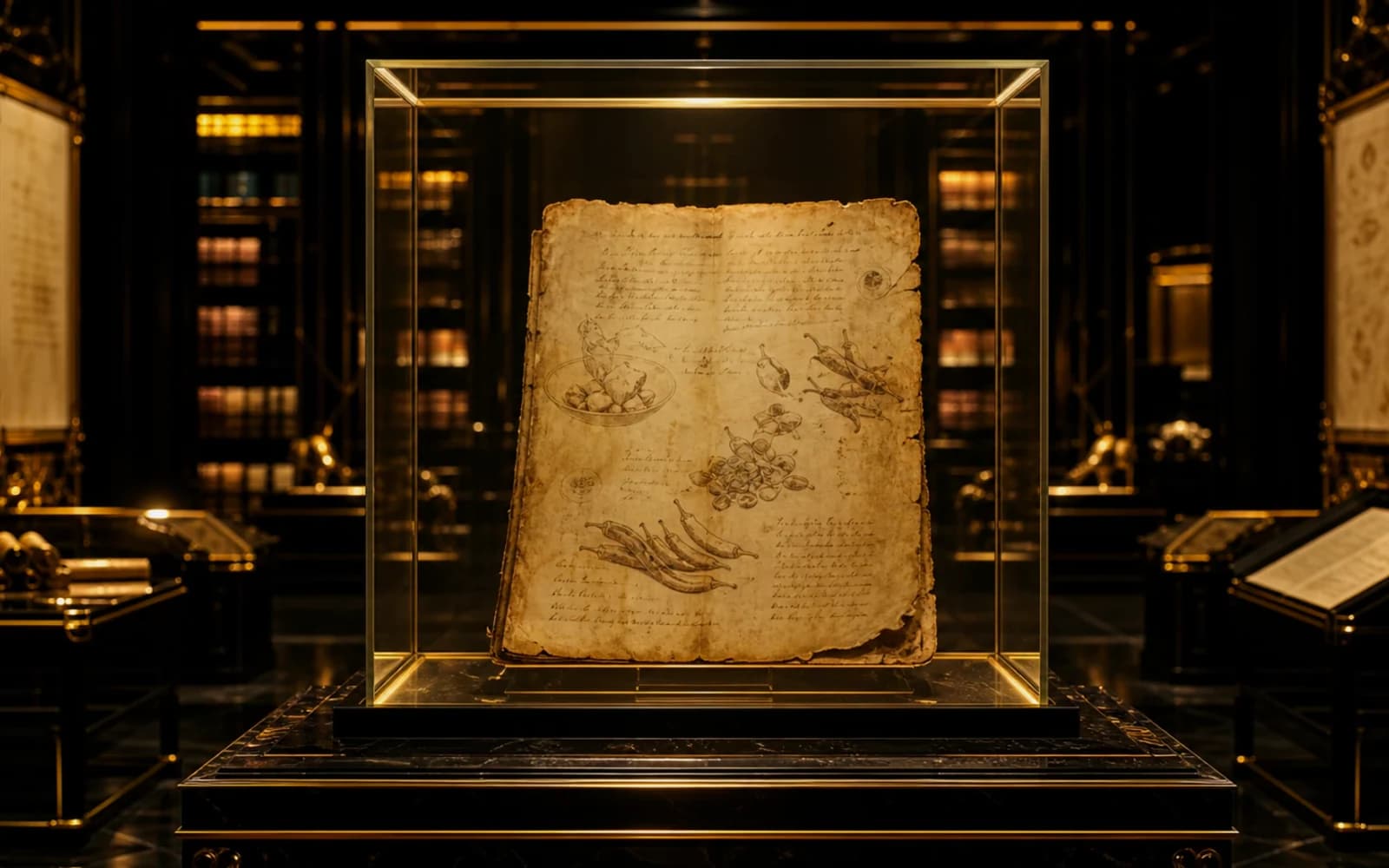
What Sichuan electrifies
Sichuan changes the weather. Dried chilies perfume the oil instead of merely scaring the diner. Sichuan peppercorn gives the mouth a low pulse. Vinegar and sugar create the bright sweet-sour signal sometimes described through the lychee-flavor lens, though no fruit needs to crash the party.
This is why the Sichuan version became the global reference point. It does not simply add spice. It adds a system: fragrant heat, sour brightness, savory depth, crisp peanut punctuation, and enough gloss to make the whole plate look as if it has been lacquered by authority.
Migration without purity panic
The dish's movement should not be treated as contamination. Migration is how dishes become intelligible to more than one place. A recipe that cannot survive a journey is a fragile note, not a cuisine. Kung Pao Chicken survived because its core pattern could absorb regional pressure without losing its silhouette.
That does not mean every variation is equally strong. The Archive still prosecutes limp peanuts, syrupy sauce, and vegetables that wander in like they misread the invitation. But the Shandong-to-Sichuan story shows that change itself is not the enemy. Bad change is.
The modern map on the plate
A modern plate still carries the route if you know how to read it. The cubes show discipline. The chilies show Sichuan voltage. The peanuts show the dish's talent for making texture memorable. The sauce ties the whole map together in a quick dark shine.
The Order's black-and-gold map is ridiculous on purpose, but the reading is practical. If a restaurant version tastes disciplined and electric at once, the route is still alive. If it tastes merely sweet, merely hot, or merely brown, the file has lost its travel documents.