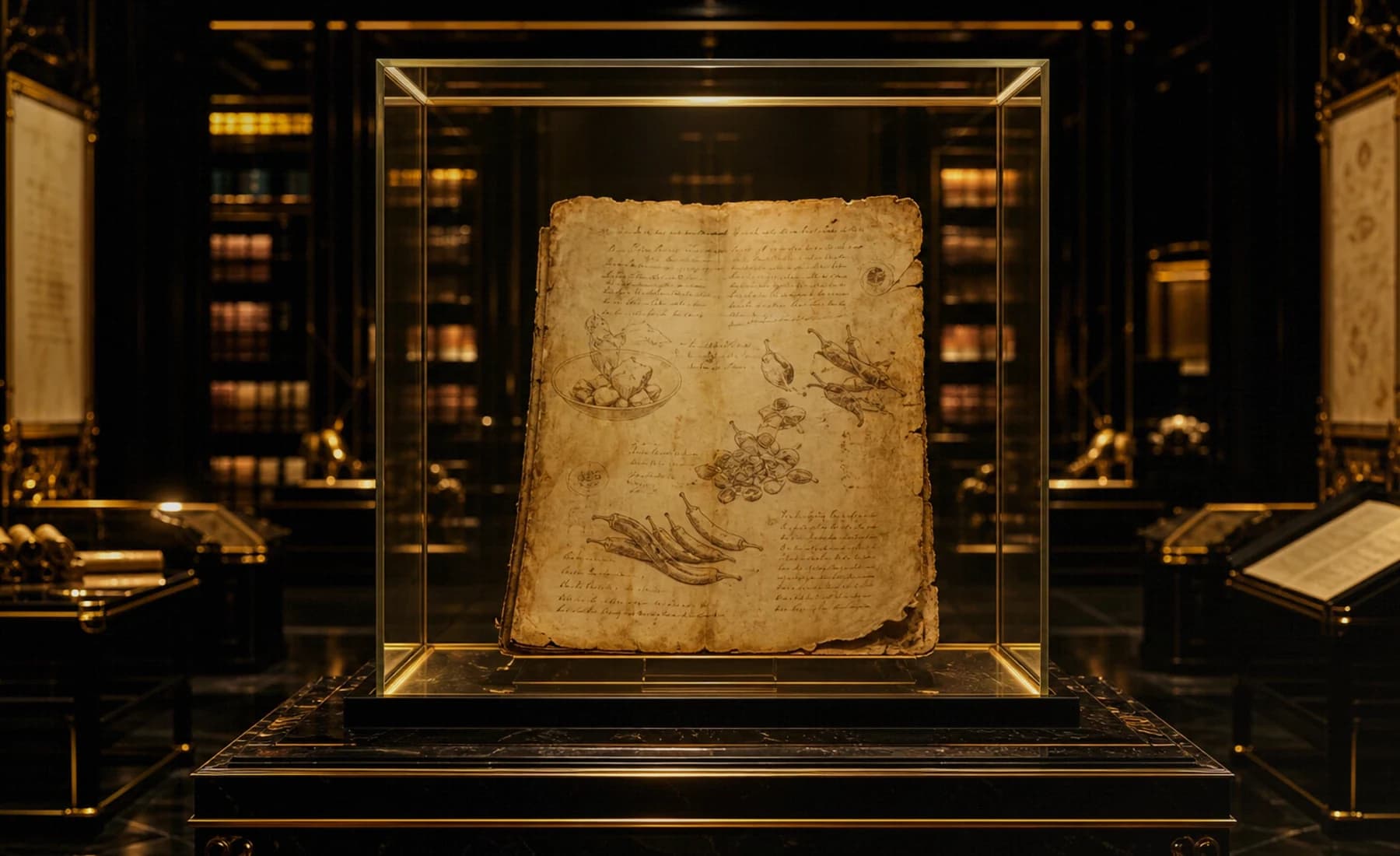
File one: the Ding household
The most famous file begins at Ding Baozhen's table. In this version, a household preparation becomes attached to the official whose honorific title gives Gong Bao chicken its name. It is the cleanest story, which is why it travels so well.
Clean does not mean complete. Household dishes leave fewer documents than official careers, and later retellings often polish domestic memory into legend. The Order keeps this file open because it explains the name, but it does not pretend the kitchen door was guarded by stenographers.
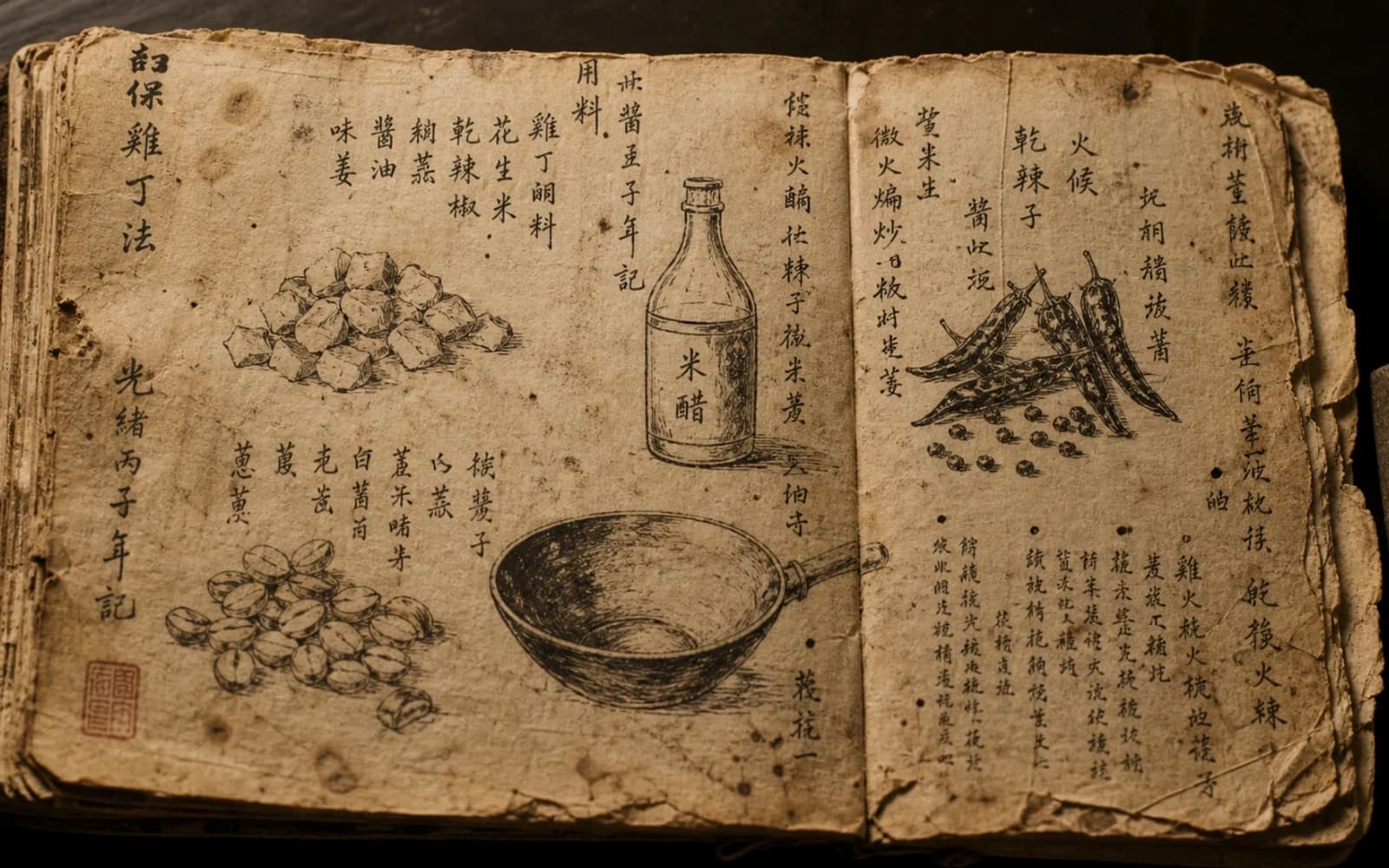
File two: the Shandong precedent
Another file points toward Shandong, where Ding served before Sichuan. This account is useful because it explains the dish's disciplined shape: diced chicken, quick cooking, and a compact plate that does not need spectacle to be legible.
The Shandong file is not a rival that must kill the Sichuan file. It may be the earlier page in the same dossier. Origin stories become clumsy when they demand a single room for a dish that clearly learned to travel.
File three: the Guizhou memory
Ding's Guizhou birth gives another line of interpretation, especially for writers who want the dish to begin in personal appetite rather than official transfer. Guizhou matters because it reminds us that people carry taste before they carry titles.
The evidence here is softer, so the Archive handles it with gloves. It can enrich the route without dominating it. The point is not to crown Guizhou, Shandong, or Sichuan alone. The point is to notice how biography creates corridors for flavor.
File four: Sichuan refinement
The Sichuan file has the strongest claim on the modern taste signal. Dried chilies, Sichuan peppercorn, vinegar-sugar brightness, and the snap of peanuts are the features that make many cooks and eaters recognize the dish as Kung Pao rather than generic chicken stir-fry.
This is why the Order treats Sichuan as the room where the brass seal was heated. Whether the dish arrived with Ding, his household, or a regional ancestor, the Sichuan version gave it the charged grammar that could survive translation.
File five: the global restaurant echo
The fifth origin story is not an origin at all, which is why it keeps confusing people. The global restaurant version turned Kung Pao Chicken into a menu icon. In doing so, it created a second public memory: sometimes sweeter, sometimes saucier, sometimes stripped of the peppercorn electricity.
That echo does not erase the older files. It proves the dish had a portable design. The useful truth is culinary rather than courtroom-perfect: diced chicken cooks fast, peanuts punctuate, dried chilies perfume, and sweet-sour-savory heat gives the name somewhere to land. Legends attach to food that can carry them. Kung Pao carries unusually well.