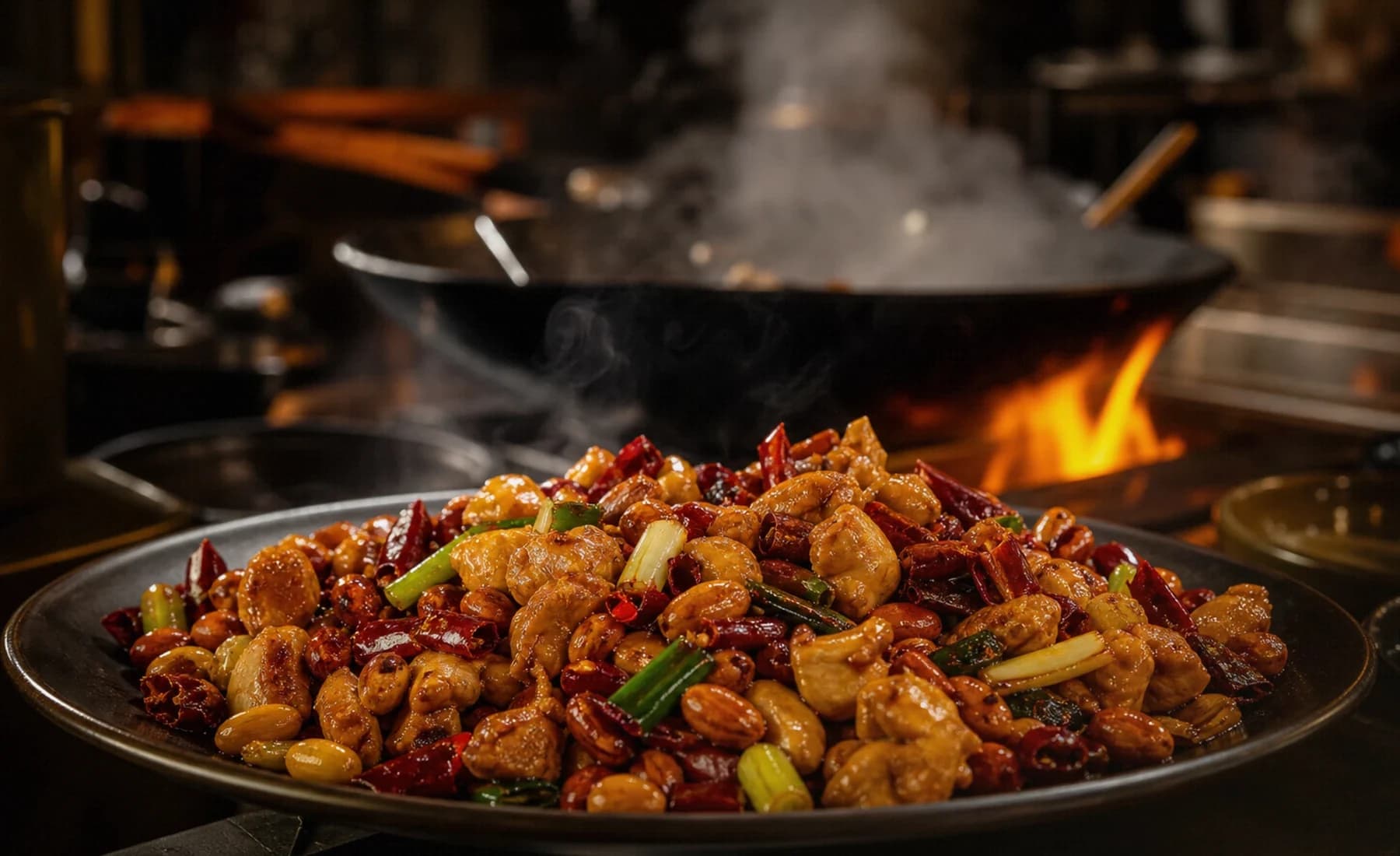
Heat became identity
Spicy food is now more than flavor. It is a badge, a dare, a comfort habit, and a social media format. People do not only eat heat; they perform their tolerance for it.
Kung Pao Chicken sits perfectly in that landscape because it is spicy without being a stunt. The best versions give warmth, fragrance, and a little danger without turning dinner into paperwork.
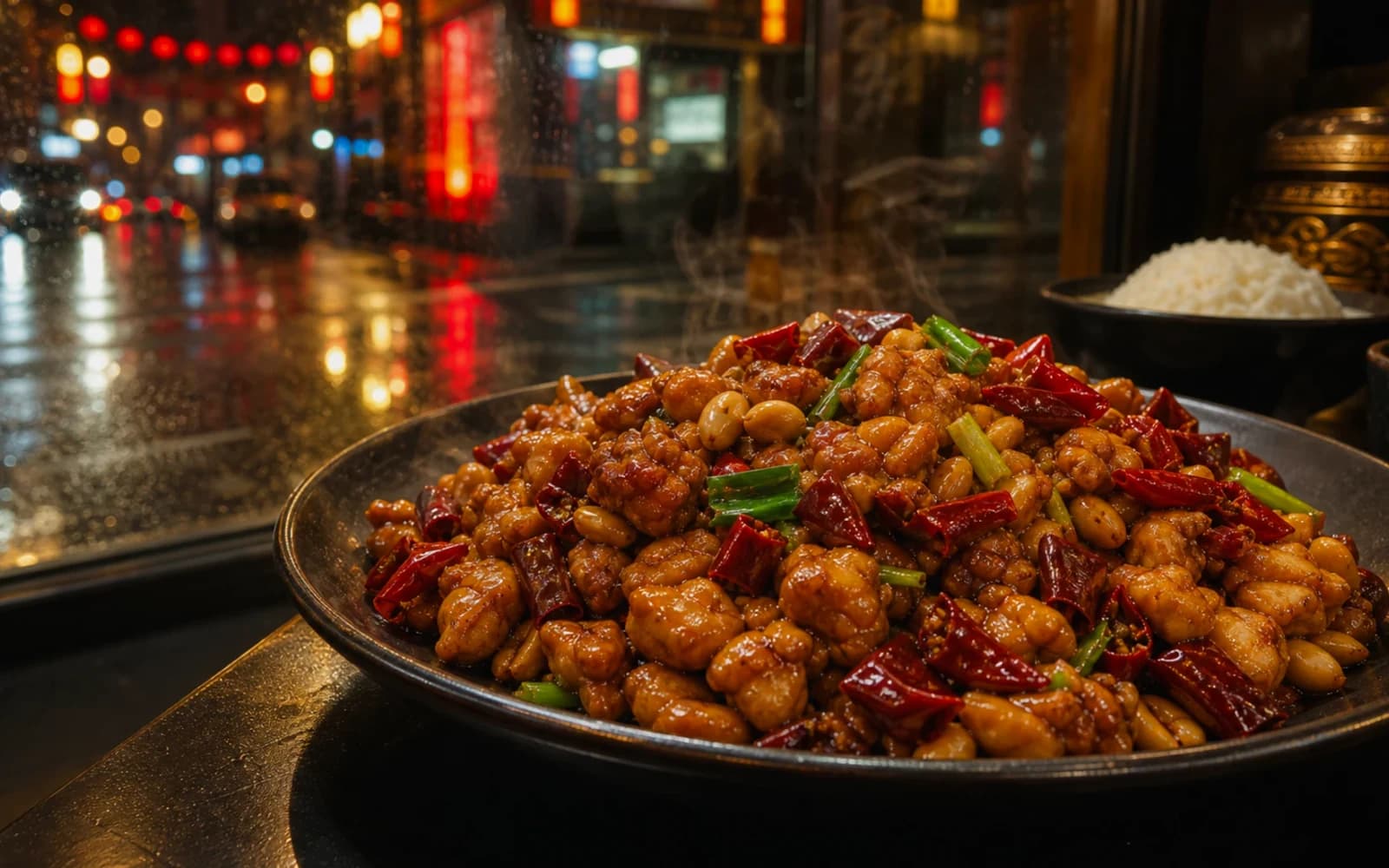
The Order's advantage
A site about spicy authenticity has built-in share energy. Users can laugh at the tribunal, defend their plate, and still learn why dried chilies and Sichuan peppercorns matter.
The trick is to be funny without becoming empty. The heat gets attention; the archive keeps it.
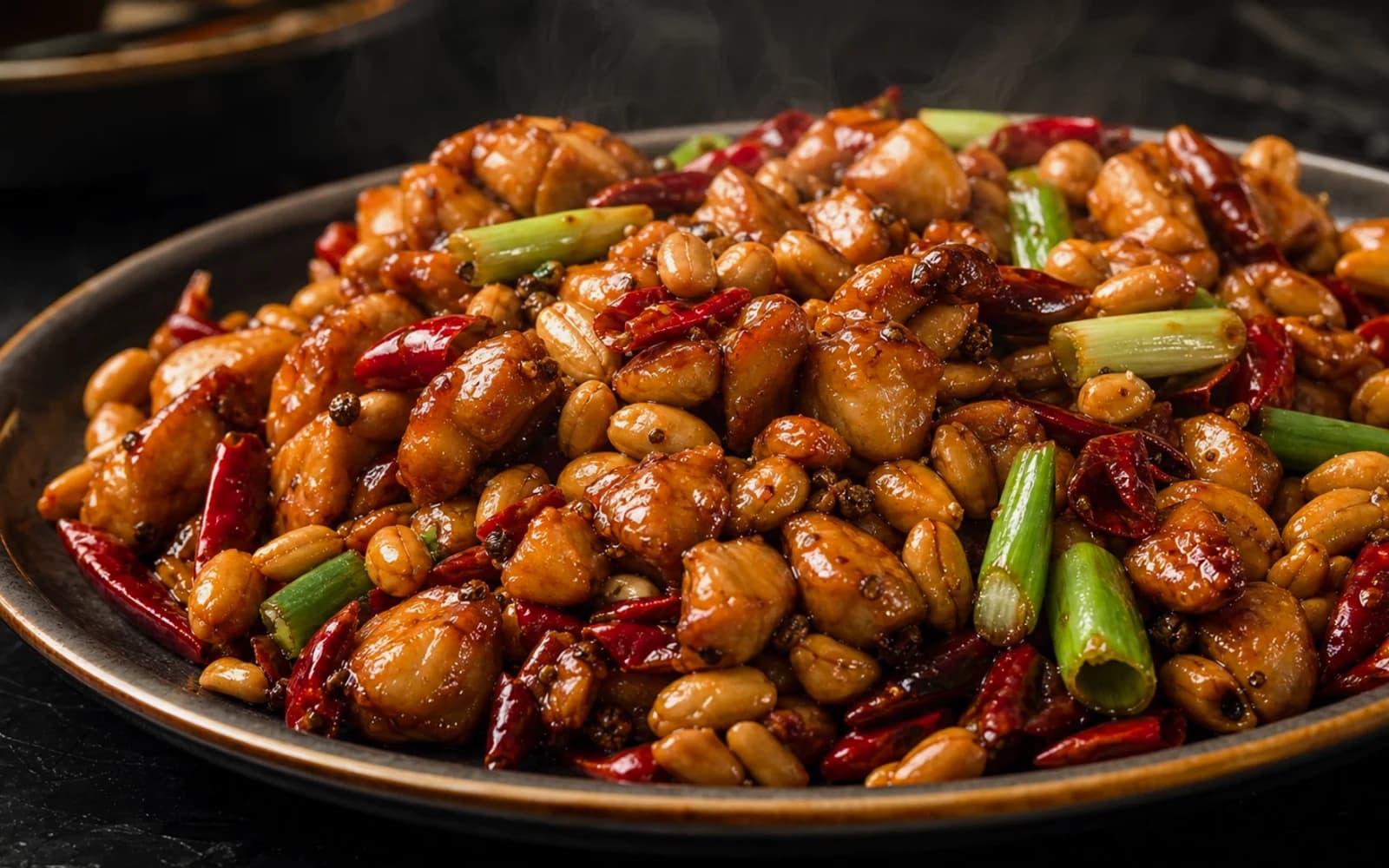
Heat is easier to signal than nuance
Modern food culture loves heat because it is legible. A menu can print flames, a video can show sweat, and a friend can ask whether you survived. Nuance is harder to photograph. Chili oil does not have that problem.
Kung Pao Chicken benefits from the trend, but it should not be reduced to it. The dish is not a dare with peanuts. It is a controlled argument between fragrance, acid, sweetness, salt, and a little danger.
Mala changed the public vocabulary
As more diners learn words like mala, peppercorn, and chili crisp, they become more willing to ask better questions about heat. Is it numbing? Is it aromatic? Is it sharp, smoky, oily, or just loud?
That curiosity gives the Archive room to work. The Order can make jokes about pain tolerance while quietly teaching that heat has grammar. A good Kung Pao file should leave the reader less impressed by raw burn and more interested in the shape of the burn.
Spice fatigue is real
The danger of a spicy era is inflation. When everything screams, the mouth stops listening. Extreme heat can become another form of blandness: memorable for one second, exhausting for the rest of dinner.
Kung Pao Chicken survives because it has exits. Vinegar refreshes, peanuts reset, chicken calms, scallion lifts. The heat remains part of a conversation instead of becoming the only person at the table.