Why Chengdu matters
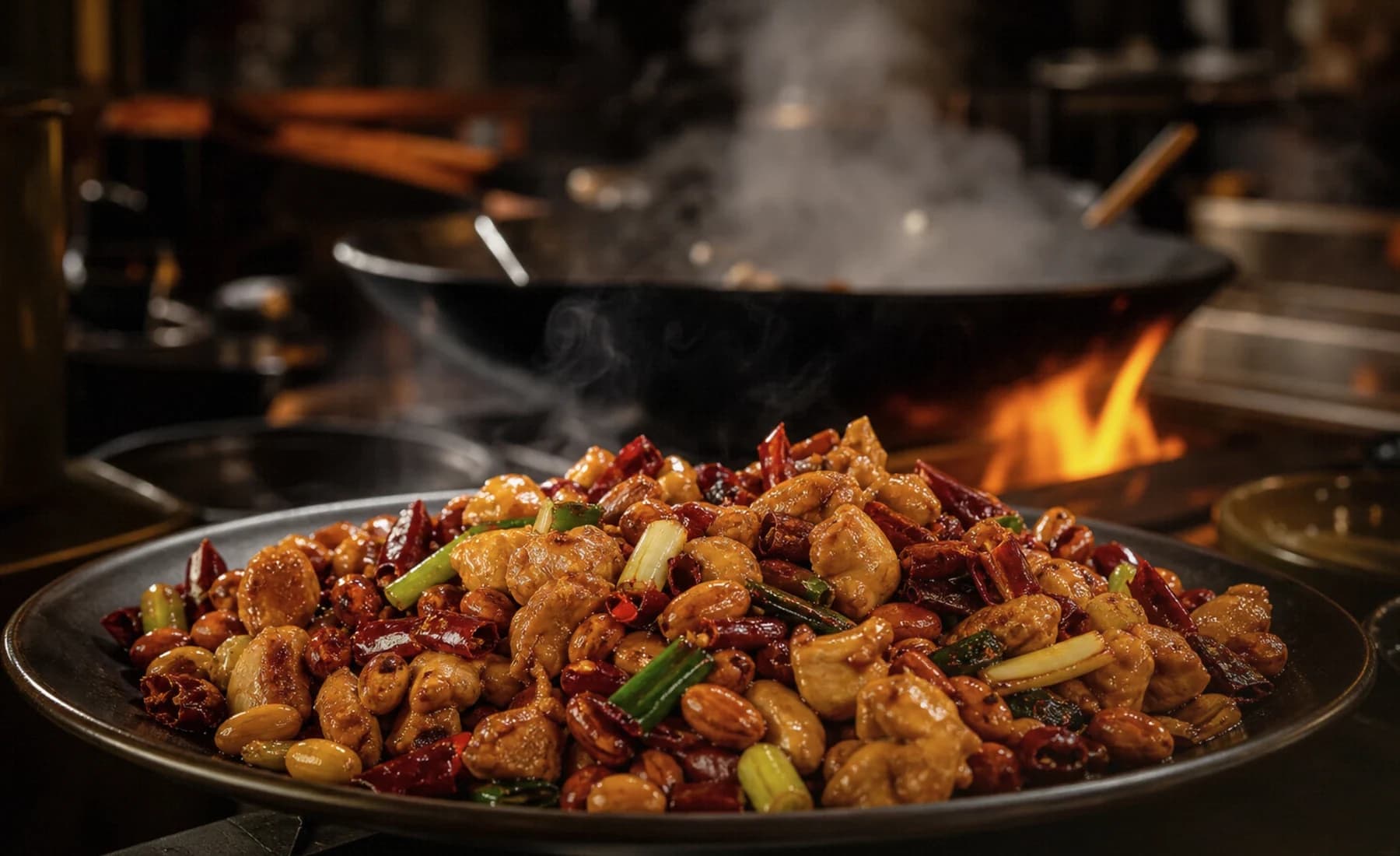
Chengdu is the natural center of any Kung Pao pilgrimage because Sichuan cuisine gives the dish its most recognized modern identity. The city is not just a location; it is a flavor grammar.
For searchers, Chengdu also gives the Archive travel relevance: where to eat, what to notice, and how to understand the dish beyond a takeout menu.
Signal reading
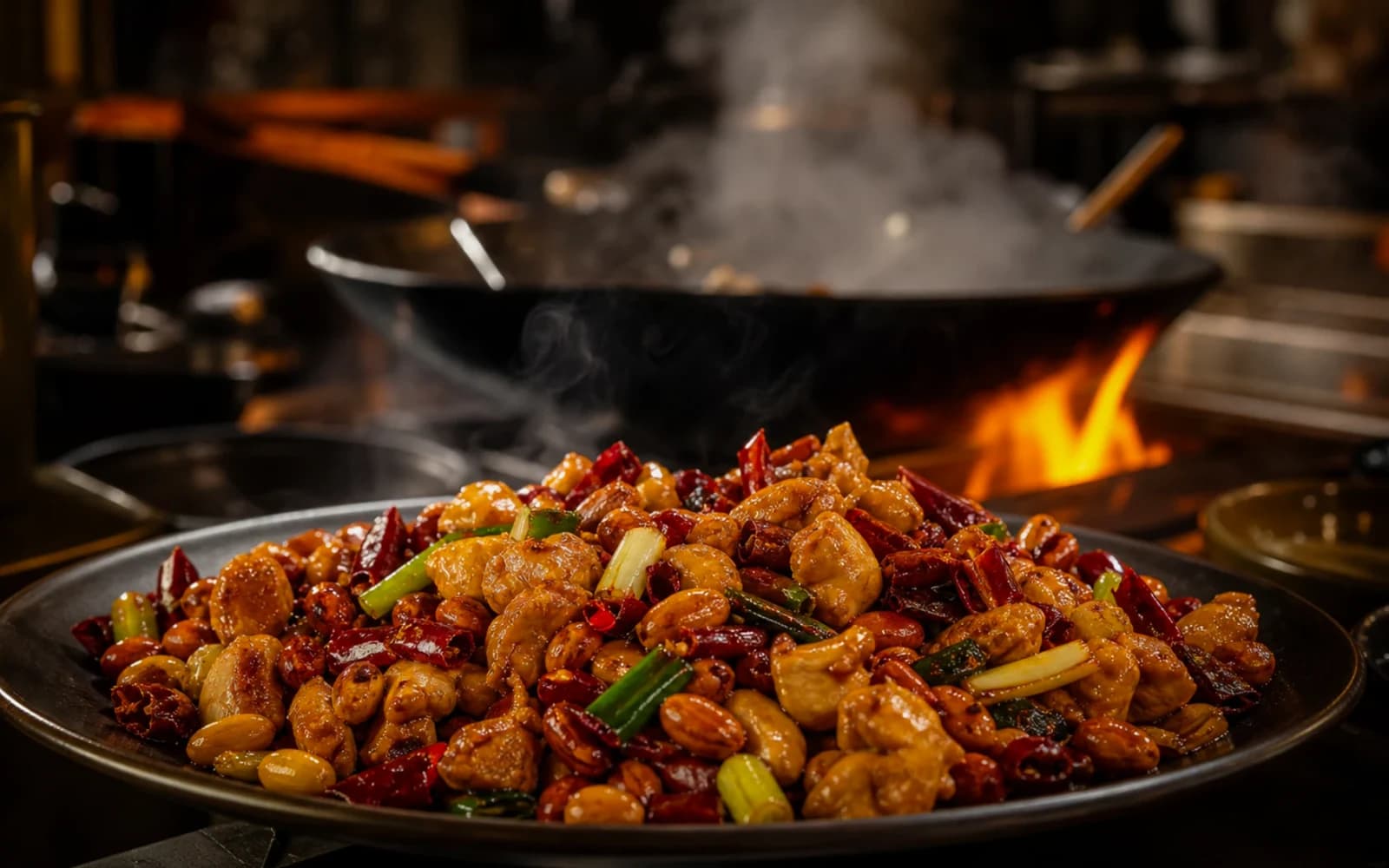
A strong Chengdu-style signal should show dried chili aroma, balanced sweet-sour sauce, tender diced chicken, and peanuts that stay crisp. It should feel fast, controlled, and alive.
The Order calls Chengdu Source Zero not because every answer is there, but because every serious question passes through it.
The city teaches restraint
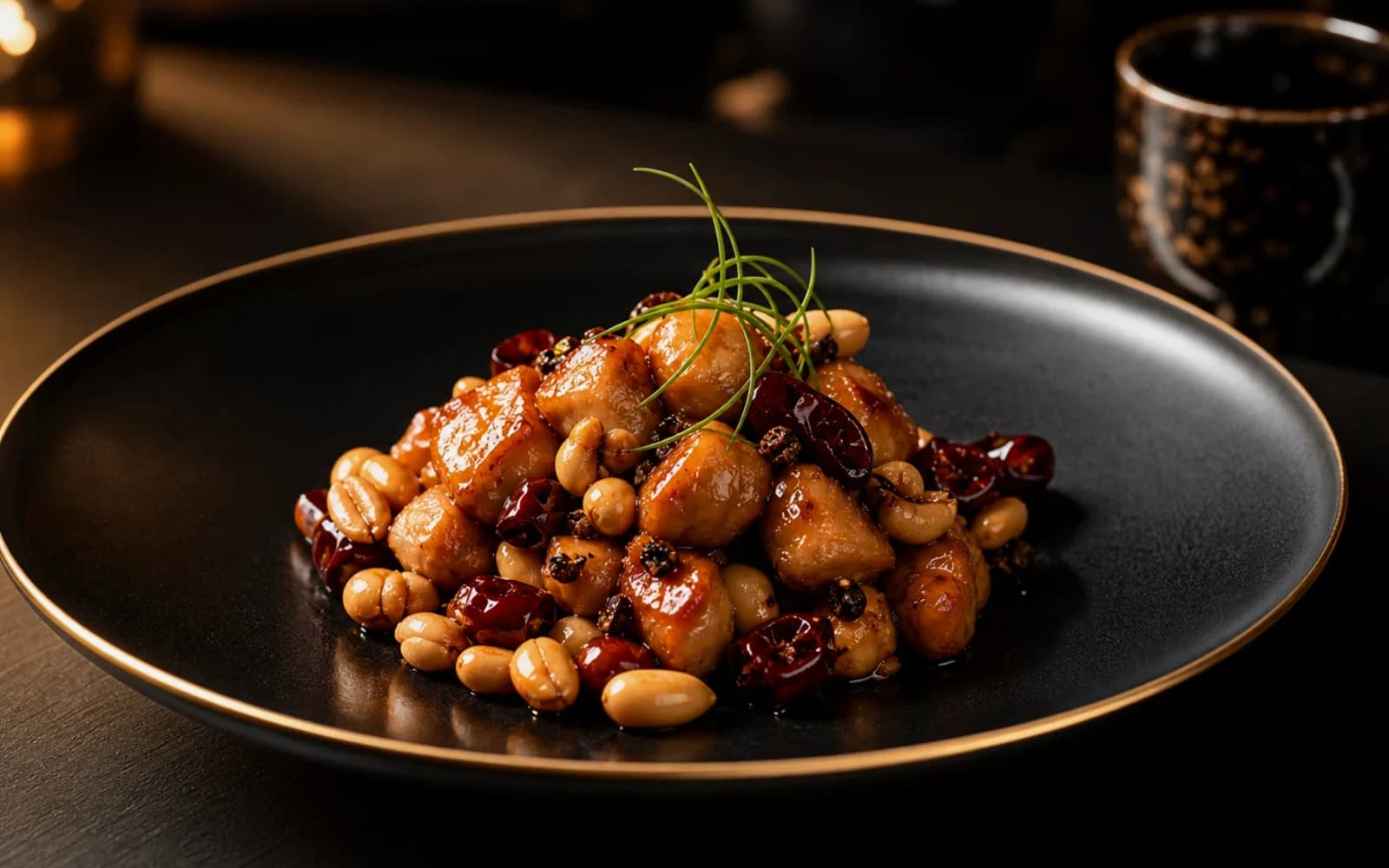
Chengdu matters not because every plate there is automatically perfect, but because the local grammar makes weak choices easier to notice. Heat should smell like chili and peppercorn, not generic burn. Sweetness should sharpen the sauce, not flatten it.
A traveler looking for Kung Pao should pay attention to restraint as much as intensity. The best signal is often the one that does not need to shout.
Pilgrimage without cosplay
The Archive's travel language is intentionally grand, but the useful advice is humble: eat widely, compare patiently, and do not turn one meal into a universal law. Cities are not single plates. They are arguments with alleys.
Source Zero is a compass point, not a certificate. It reminds the reader that the dish's public identity has a Sichuan center of gravity even when the plate appears thousands of miles away.
What survives the flight home
The lesson to carry away is not a souvenir ranking. It is a way of reading: notice the diced chicken, the controlled gloss, the chile aroma, the sweet-sour snap, and the peanuts that still crack at the end.
Once a reader has that lens, Chengdu keeps traveling with them. The Order approves any pilgrimage that improves dinner after the suitcase is unpacked.