Pillar I / History
The Architect's Lineage
Ding Baozhen biography, Qing Dynasty culinary history, Origin of Kung Pao Chicken, Sichuan official history
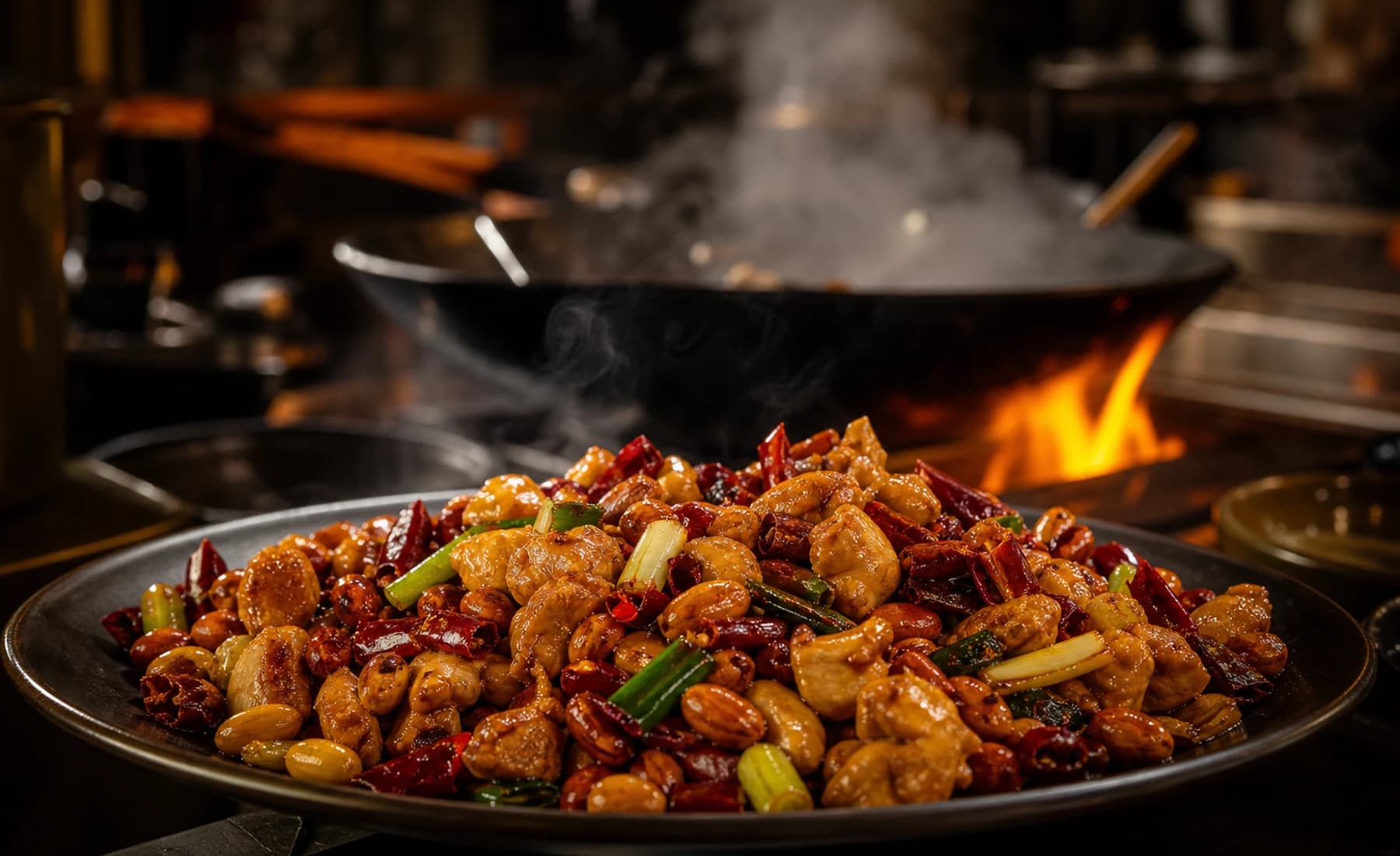
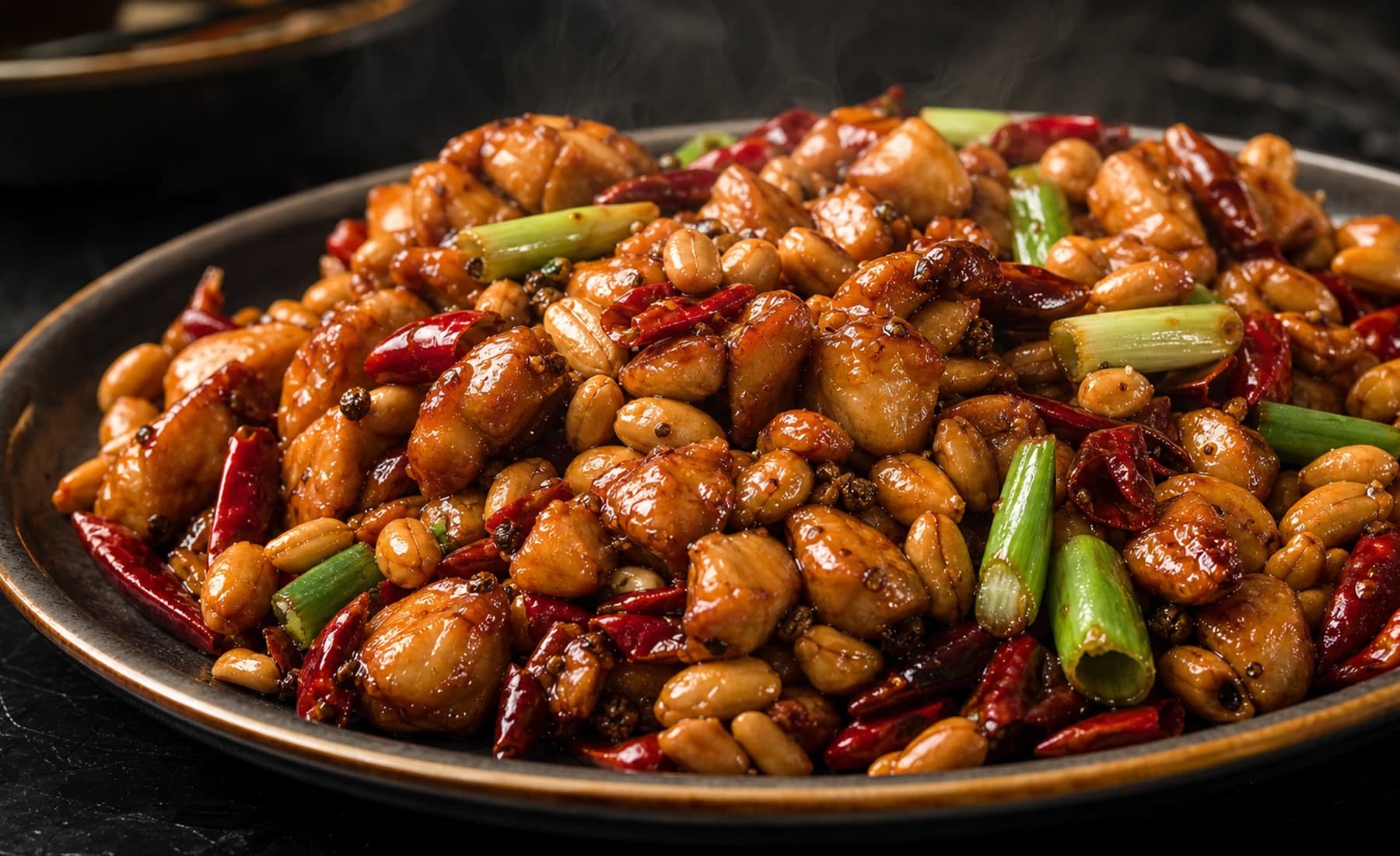
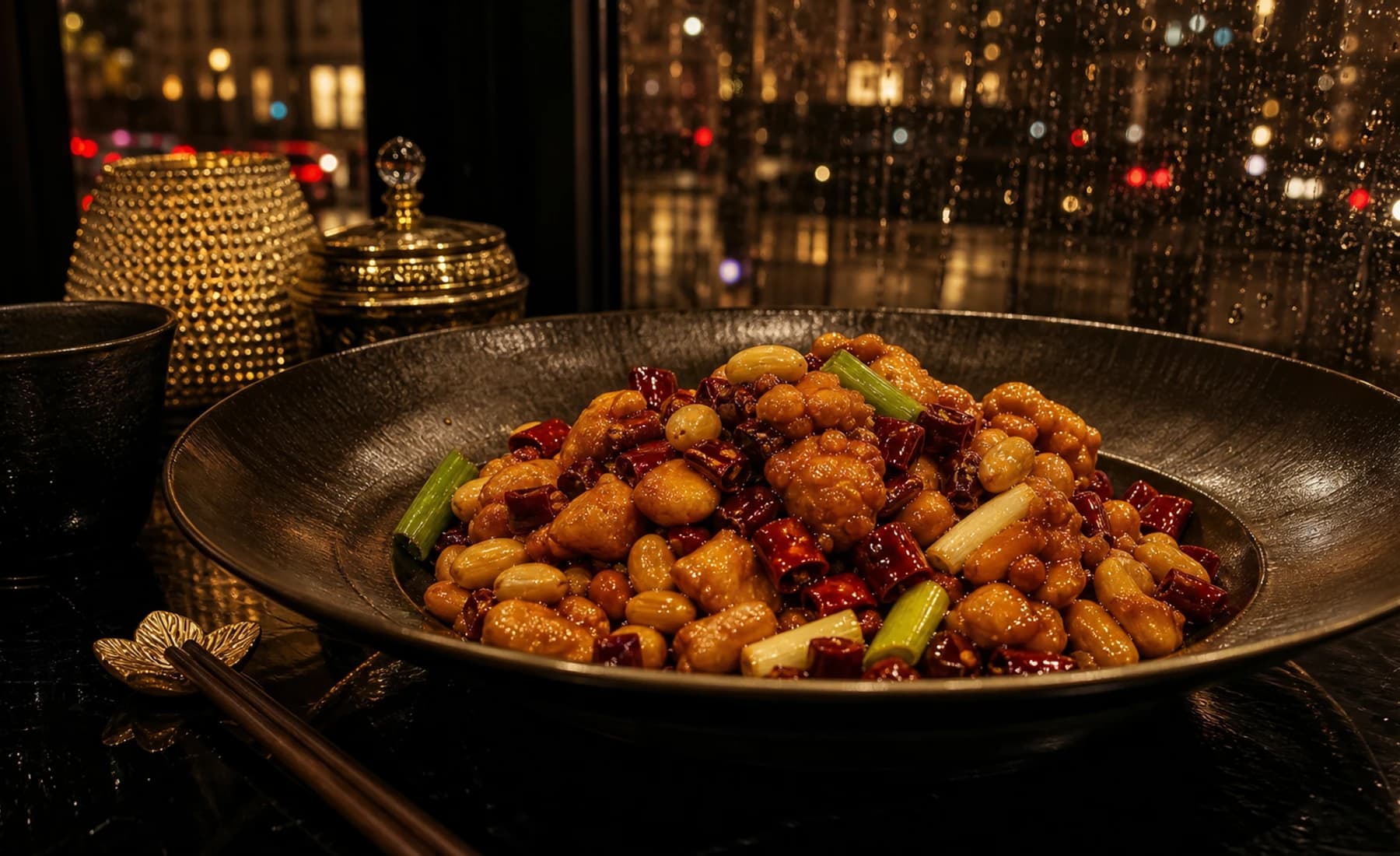
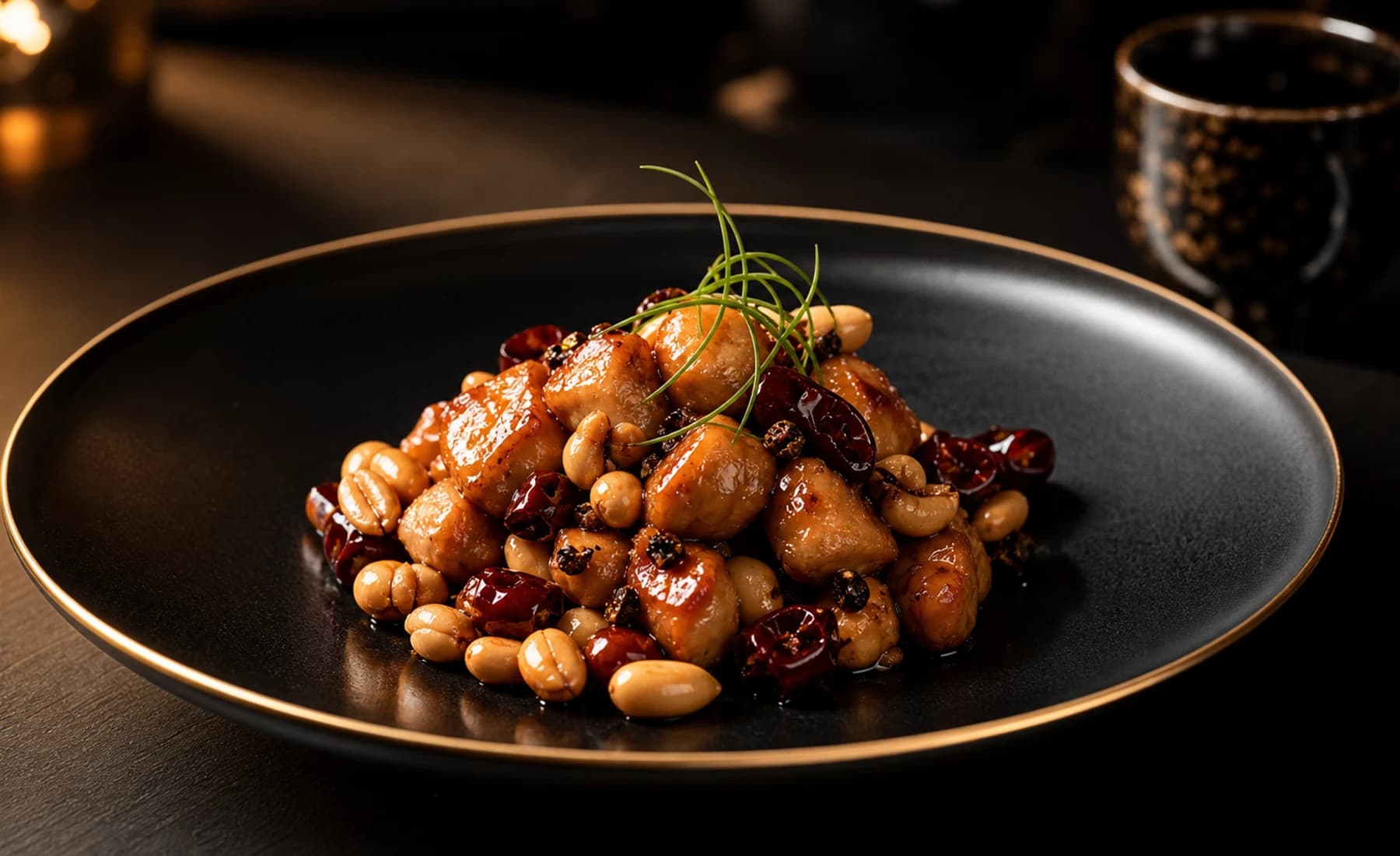
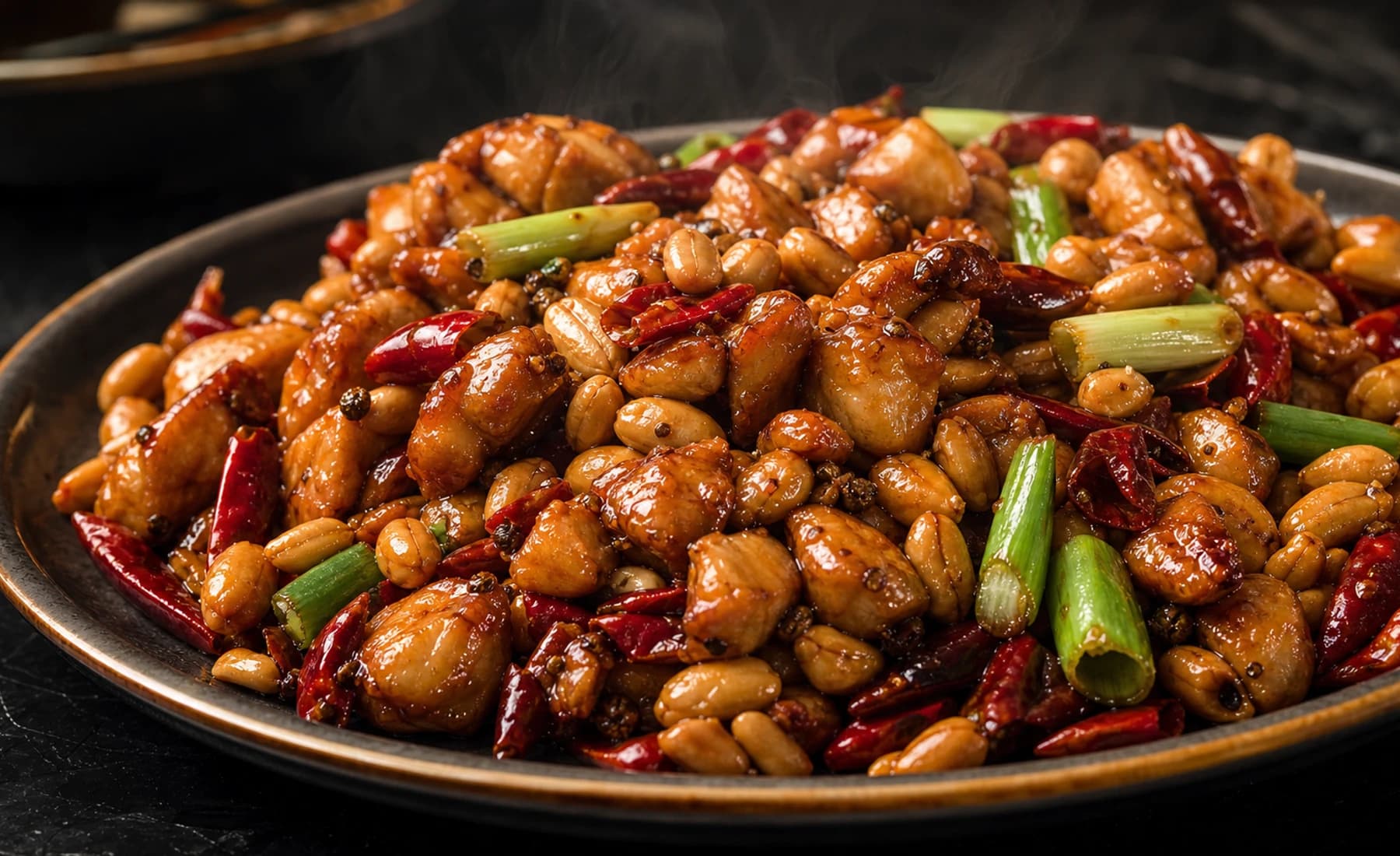
The Order begins with an unromantic fact and lets the room grow stranger around it: Ding Baozhen was a real Qing Dynasty official, born in 1820 in Guizhou, remembered in food culture because the title associated with him, Gong Bao, eventually clung to a dish of diced chicken, dried chilies, peanuts, and a bright sour-sweet sauce. The Archive does not need to invent a phantom chef or a forbidden palace kitchen. The documented life is already cinematic enough. A man travels through provinces, acquires responsibilities, builds habits of hospitality, and leaves behind a name that later becomes edible shorthand for balance. In this museum, the biography is treated like a table of coordinates rather than a bedtime story.
The early anchor of 1854 matters here less as a recipe date than as a threshold in Ding Baozhen's adult world: the period when scholarship, service, and the machinery of late imperial appointment shaped the kind of person who could move between regions and absorb local habits. By the time the Shandong chapter becomes visible in the record, the flavor file has gained its first serious tension. Shandong cooking often prizes clean savor, poultry discipline, and the kind of cutting that makes a dish behave evenly under heat. The year 1866 is useful as a mid-century marker in the Archive's timeline, a reminder that the dish later called Gongbao Jiding did not fall from a single thunderclap. It emerged from lives, kitchens, titles, and travel. The manuscript does not claim that a wok sang in 1866. It says that by then the future formula had already gathered enough human movement to become possible.
Then comes 1876, the date the Order frames as the opening of the Protocol. Ding Baozhen's Sichuan posting places the story in the province whose palate could give the dish its voltage: dried chili fragrance, vinegar brightness, the teasing electricity of Sichuan pepper, and the habit of finishing a sauce so it coats rather than drowns. Chengdu becomes the reading room of the formula. Heat no longer means blunt pain; it means a controlled field. Sweetness no longer means dessert; it means the soft counterweight that lets vinegar flash and disappear. The Archive calls this the Harmony Formula, partly because it sounds absurdly solemn, and partly because it names something cooks know in their hands. A plate can be balanced so carefully that it feels less assembled than tuned.
The Guangxu era gives the story its late light. Dujiangyan appears in the margins because Sichuan's genius has always included the management of flow: water, grain, trade, appetite, and heat. The comparison is metaphor, not evidence. Still, it helps explain why the dish feels engineered. Chicken cubes must be small enough to cook quickly, but not so small that they surrender texture. Peanuts must arrive crisp, not tired. Sauce must tighten at the last second. In 1886, Ding Baozhen died, and the official life closed. The culinary afterlife did not. The honorific Taizi Shaobao helped form the phrase Gong Bao in later food memory, and from that title the English-speaking world eventually learned to say Kung Pao while menus closer to the source kept the name Gongbao Jiding.
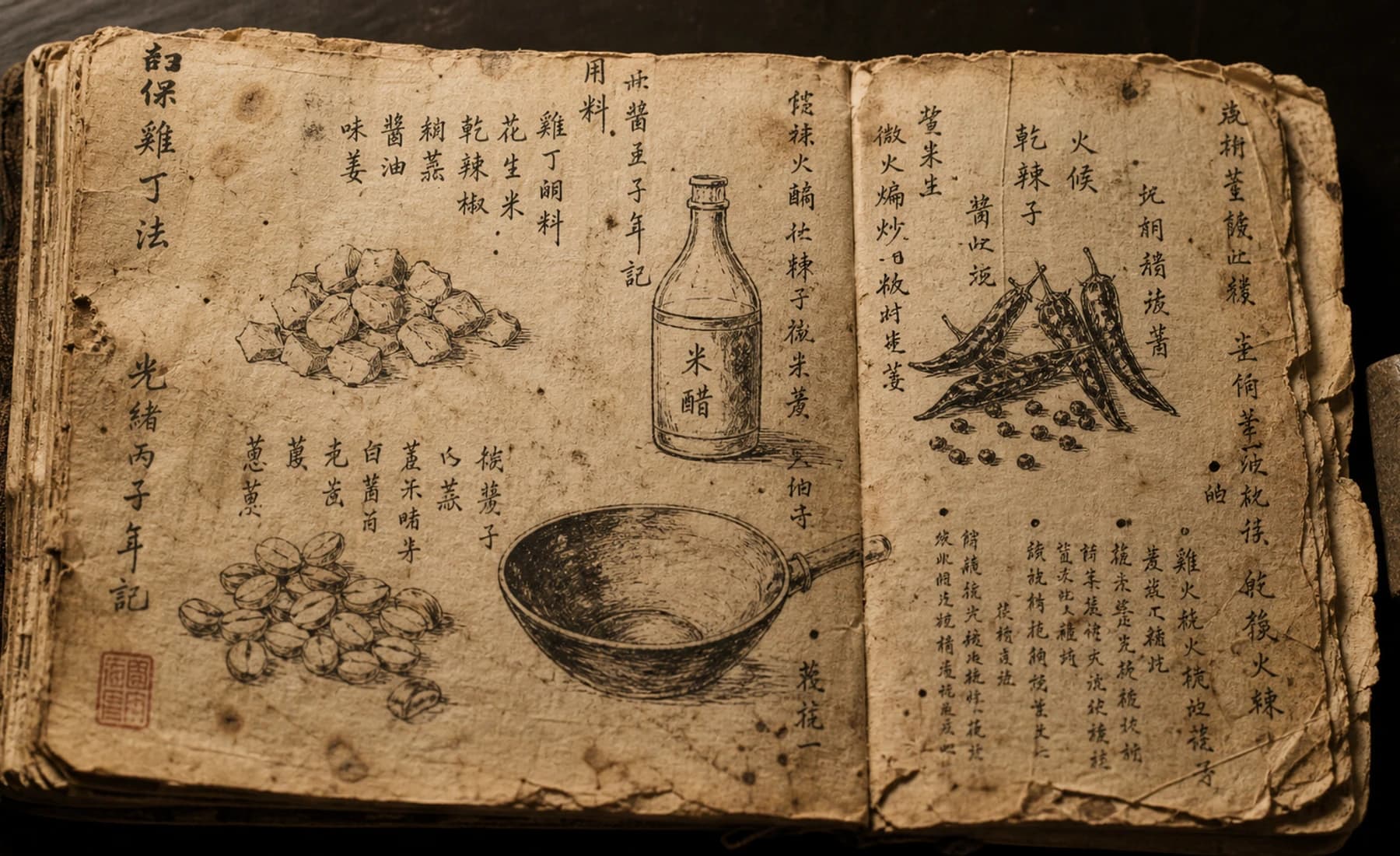
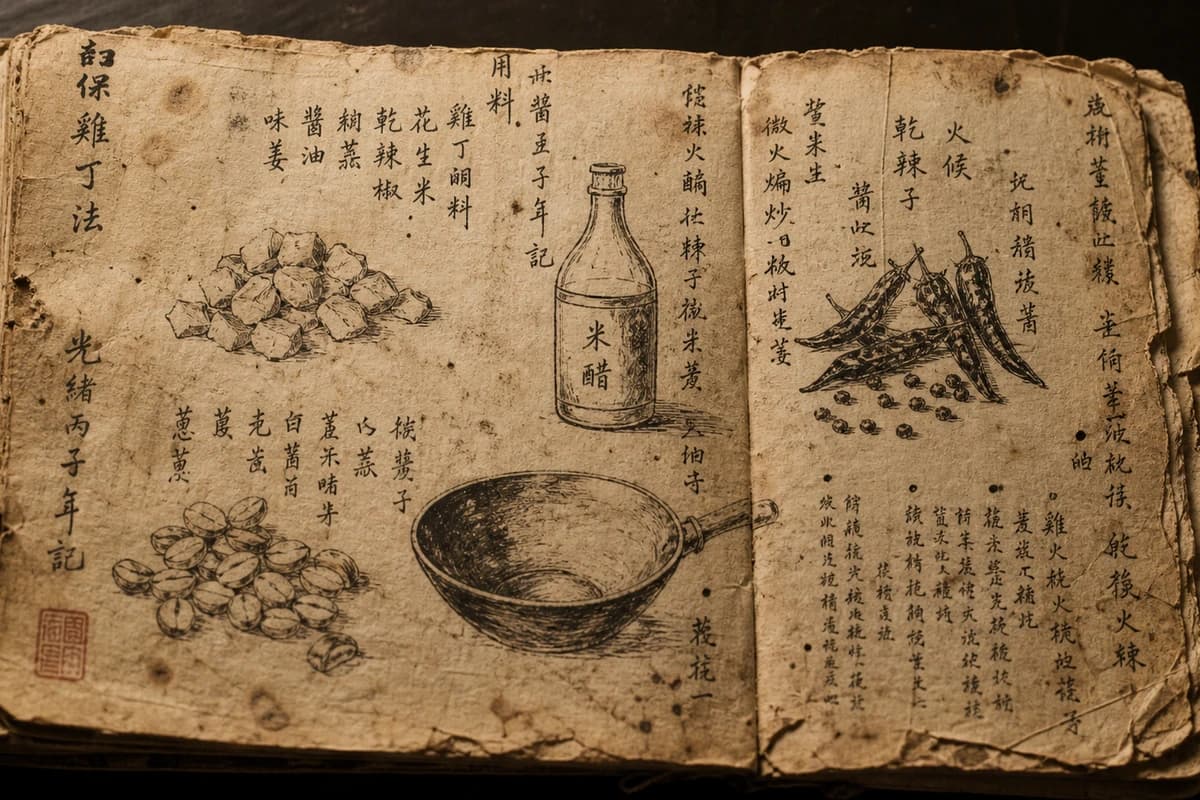
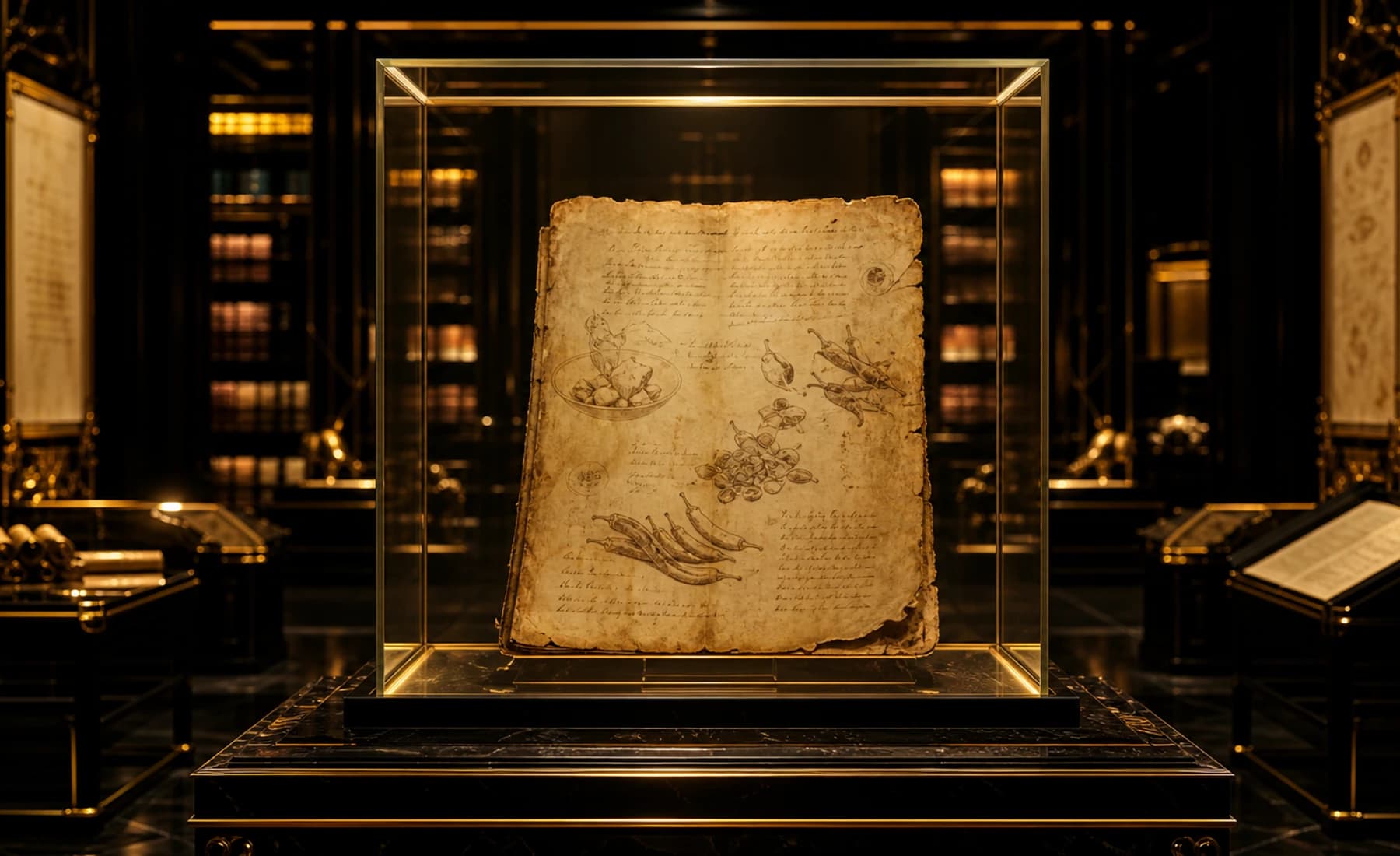
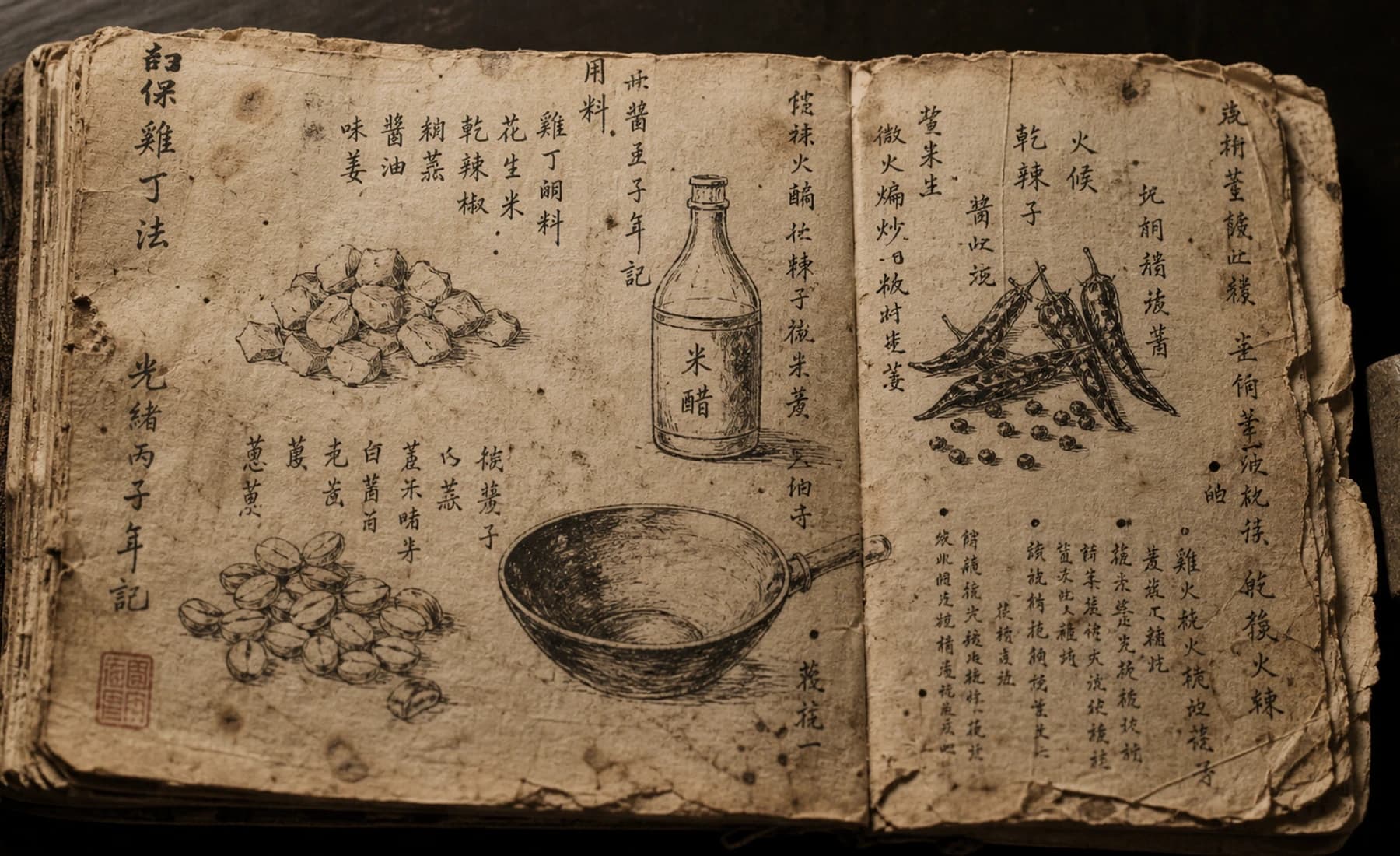
The famous missing page is the Archive's one permitted candle in the dark. It is presented as legend, not evidence: a supposed 1876 slip that records the exact vibration of a wok when the lychee-flavor profile turns from mixture into signal. No verified historical document proves such a page exists. The point is not to trick the reader. The point is to honor a practical mystery. Every good cook hears the pan. Chicken hitting oil makes one sound; sauce reducing makes another; a crowded wok makes the tragic hush of steam. The missing page is the sound nobody can cite but everybody who cooks seriously tries to hear. That is why the Order treats the origin of Kung Pao Chicken as both history and ritual: the facts hold the floor, and the myth lights the ceiling.